Baby Chicks Hear "Bouba" as Round, Like Humans Do
Scientists discovered that day-old chicks associate the sound "bouba" with round shapes and "kiki" with spiky ones, just like humans do. This finding reveals we share surprising mental connections with creatures across the animal kingdom.
A tiny chick, barely a day old, already knows something fascinating about the world: some sounds just feel round.
For nearly 80 years, scientists have puzzled over why humans link nonsense words like "bouba" to rounded shapes and "kiki" to spiky ones. We've tested babies, adults, and speakers of dozens of languages. The pattern holds everywhere.
But researchers in Italy just proved this quirk goes way beyond our species. They played recordings to newly hatched chickens and watched something remarkable happen.
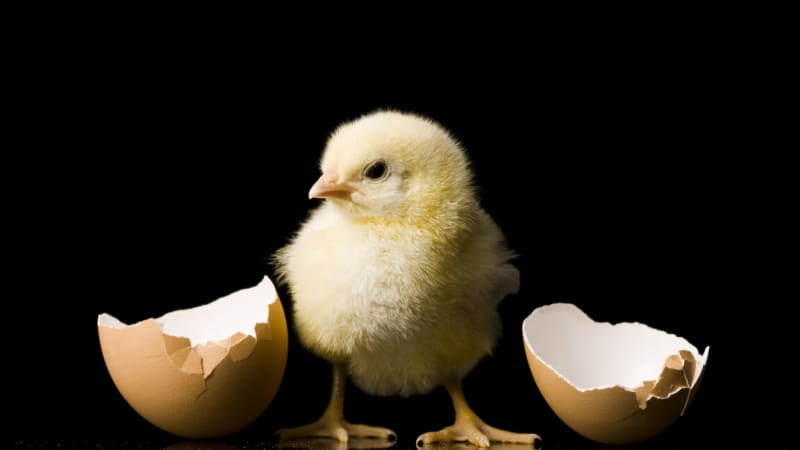
When one-day-old chicks heard "bouba," 80 percent waddled toward a round object first. Play "kiki" instead, and 75 percent headed for the spiky shape. These baby birds had never learned language, never seen written words, and barely experienced the world outside their shells.
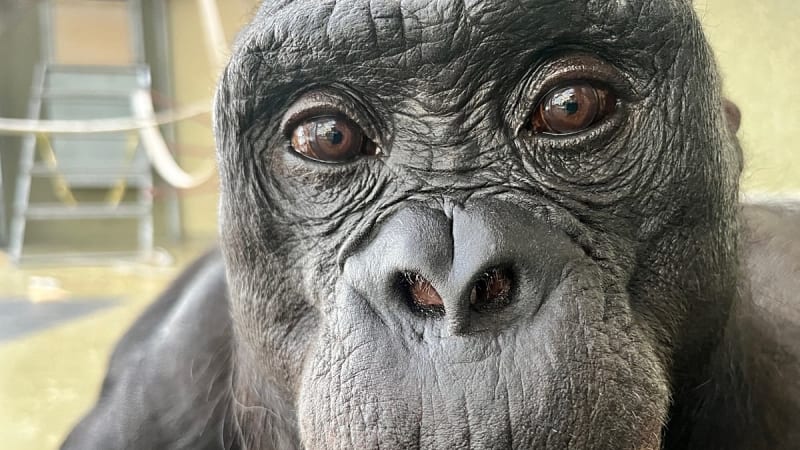
The discovery changes how we understand our own minds. Scientists once thought this sound-shape matching might be uniquely human, perhaps even a building block of our complex languages. When other primates didn't show the effect, that theory seemed stronger.
Turns out we were looking in the wrong places. The Italian team tested chicks at one and three days old, capturing them at their most instinctual. Adult primates, by contrast, juggle competing motivations that might mask simpler preferences.
Why This Inspires
This research reveals something beautiful about perception itself. Our brains don't process senses in isolation. They weave sound, sight, and touch into unified experiences through what scientists call "crossmodal correspondences."
Some connections make intuitive sense, like linking high pitches to small objects. Others surprise us: chimps and tortoises both associate high sounds with bright lights. Now chickens join humans in hearing geometry in syllables.
These shared perceptions stretch across hundreds of millions of years of evolution. They suggest that fundamental ways of experiencing reality unite creatures as different as birds and people. We're wired more similarly than we ever imagined.
The finding also hints at something profound about communication. If even chickens respond to these sound patterns, maybe the roots of language reach deeper into biology than we thought. Perhaps our words didn't emerge from nothing but built on ancient foundations we share with distant relatives.
Scientists now believe these crossmodal links exist throughout the animal kingdom, waiting to be discovered. Each species might experience the world through overlapping sensory connections we're only beginning to map.
What started as a curious puzzle about nonsense words has become a window into consciousness itself. We're learning that the line between human and animal experience blurs in unexpected ways.
The next time you hear "bouba" and picture something round, remember: a baby chick, meeting the world for the first time, would agree with you.
More Images



Based on reporting by Ars Technica Science
This story was written by BrightWire based on verified news reports.
Spread the positivity!
Share this good news with someone who needs it