Baby Dinosaur Named After Korean Cartoon Character Found
Scientists in South Korea discovered the country's first new dinosaur species in 15 years and named it after Dooly, the nation's most beloved cartoon dinosaur. The turkey-sized baby fossil revealed hidden skull bones through special X-ray technology that could unlock dozens more discoveries.
A baby dinosaur the size of a turkey just became South Korea's newest paleontology star, and it shares a name with the country's most famous cartoon character.
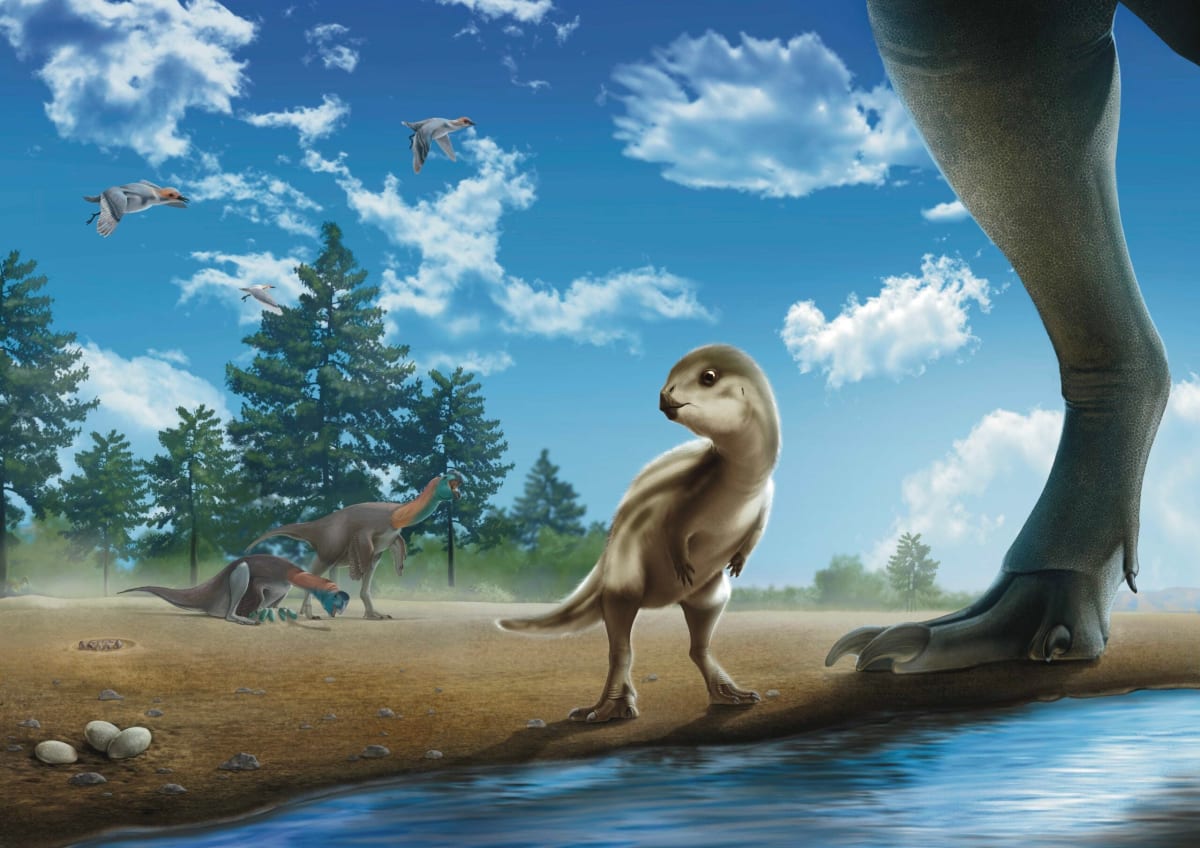
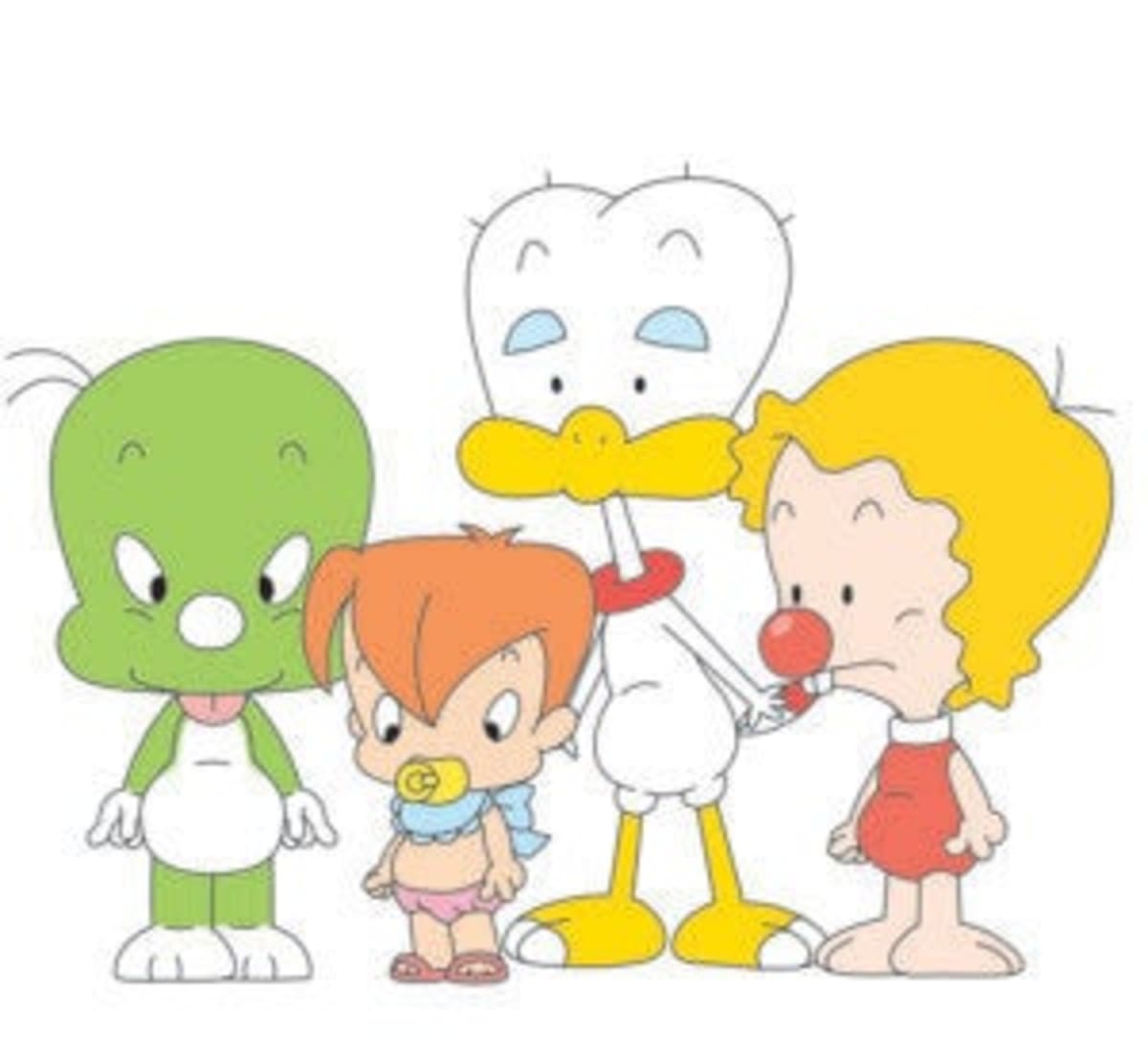
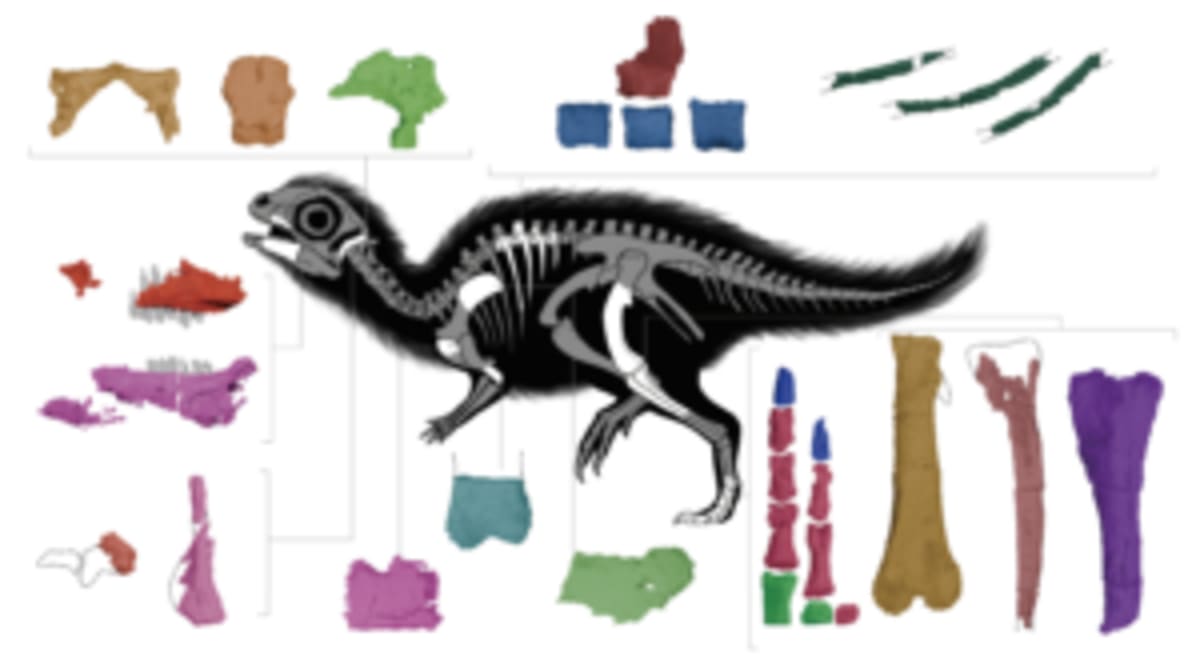
Researchers from The University of Texas at Austin and the Korean Dinosaur Research Center discovered a new species on Aphae Island and named it Doolysaurus after Dooly the Little Dinosaur, a mischievous green cartoon baby dino that every generation in Korea knows and loves. The timing couldn't be more perfect since the fossil itself is a juvenile, about 2 years old when it died.
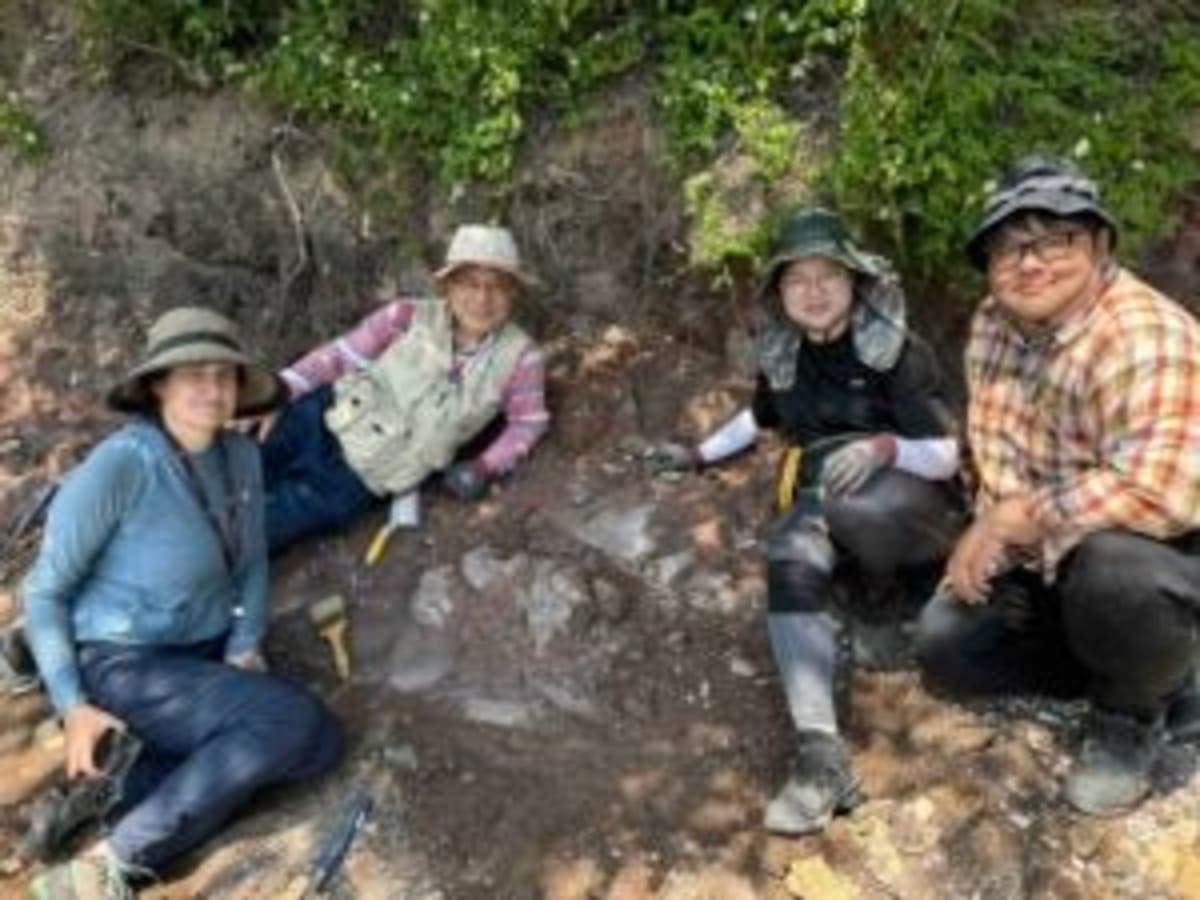
"When we first found the specimen, we saw some leg bones preserved and some vertebrae," said Jongyun Jung, who led the research. "We didn't expect skull parts and so many more bones."
The discovery marks Korea's first new dinosaur species in 15 years and the first Korean dinosaur fossil ever found with portions of its skull. The breakthrough came when scientists scanned the rock-encased fossil using micro-CT technology at UT's facility, revealing bones that would have taken nearly a decade to uncover by hand.
The baby Doolysaurus lived between 113 million and 94 million years ago and likely had a fuzzy coat covering its body. Co-author Julia Clarke thinks it would have been adorable, possibly looking "a bit like a little lamb." An adult could have grown to twice the size of the baby found.
Why This Inspires
This discovery opens a door that scientists thought was closed. South Korea is famous for dinosaur tracks, nests, and eggs, but actual dinosaur bones have been mysteriously rare. Jung believes they've been hiding in plain sight, trapped inside hard rock all along.
The team knew they had something special when they spotted a cluster of gastroliths, small stones the baby swallowed to help digest its omnivore diet of plants, insects, and small animals. These lightweight pebbles staying in place meant the dinosaur wasn't pulled apart before fossilization, so more bones had to be nearby.
The technology that revealed this baby dinosaur could unlock an entire hidden fossil record across Korea's islands. Researchers Kim and Jo are already using CT analysis skills they learned in Texas to scan more Korean fossils, and Jung is planning return trips to Aphae Island.
The fossil honors both Korean culture and Korean science with its full name, Doolysaurus huhmini, recognizing paleontologist Min Huh's 30 years of work preserving and studying Korean dinosaur sites. Now the same advanced imaging technology revealing secrets in Texas labs is heading to Korea, where countless dinosaurs might be waiting inside rocks that nobody thought to look inside closely enough.
More Images
Based on reporting by Google: fossil discovery
This story was written by BrightWire based on verified news reports.
Spread the positivity!
Share this good news with someone who needs it