Baby Dugong Spotted in Indonesia After 12 Years of Work
A baby dugong swimming with its parents in Indonesia's Alor archipelago proves that more than a decade of community-led seagrass conservation is working. The rare sighting brings hope for these vulnerable marine mammals, estimated at just 1,000 individuals in Indonesian waters.
A tiny dugong calf spotted swimming alongside its parents in Indonesia's Alor archipelago is making conservationists celebrate a win 27 years in the making.
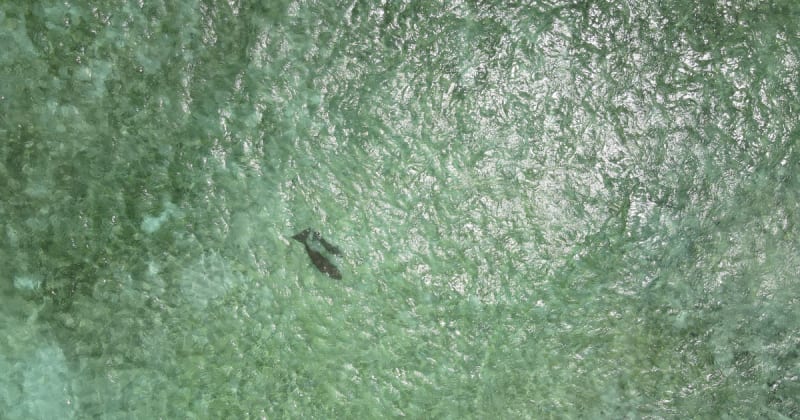
Fishers first noticed the baby dugong in Mali Beach bay last October, a thrilling sign that years of protecting and expanding seagrass meadows are paying off. Dugongs, gentle marine mammals related to manatees, are listed as vulnerable, with uncertain population numbers across Indonesia.
The story starts with Mawar, a male dugong who has grazed peacefully in the bay for 27 years. Local fishers named him "Rose" in Indonesian and grew to love watching him feed on seagrass and swim slowly beneath their boats.
Mawar's regular presence inspired the community to take action. In 2013, WWF partnered with local seaweed farmers to formally protect seagrass meadows and helped fishers transition to eco-tourism ventures for visitors wanting to see the beloved dugong.
The underwater grasses began spreading, storing carbon, reducing ocean acidification near a nearby coral reef, and boosting fish populations. Indonesia soon integrated the bay into the Alor Islands Marine Protected Area, one of 411 marine protected areas protecting the nation's waters.
By 2024, WWF surveys found eight different seagrass species growing in "very dense" meadows. The rich buffet attracted a second dugong, a female named Melati ("Jasmine"), who began appearing occasionally in the bay.
Now the pair has produced a calf, proving the habitat is healthy enough to support breeding and raising young.
The Ripple Effect
The good news extends beyond Alor. WWF recently surveyed the Southwest Maluku region and unexpectedly spotted over 30 dugongs, far more than anticipated.
These discoveries will help scientists better understand dugong populations and behavior, strengthening conservation efforts across Indonesia's protected areas. WWF plans to expand surveys to additional regions, including more comprehensive studies in Alor.
The community now focuses on long-term protection, since dugongs can live over 70 years. Local leaders are implementing stricter visitor codes of conduct and encouraging respectful tourism practices that give the dugong family space to thrive.
Coastal towns are adopting practices to keep the bay's water clean so seagrass meadows continue flourishing for Mawar, Melati, their baby, and future generations of these gentle sea cows.
One small calf represents years of patient, community-driven conservation proving that protecting ocean habitats works.
More Images


Based on reporting by Google News - Indonesia Success
This story was written by BrightWire based on verified news reports.
Spread the positivity!
Share this good news with someone who needs it