Baby Elephant Learns to 'Play Doctor' at Smithsonian Zoo
A rejected baby elephant at the National Zoo is learning to participate in her own healthcare through positive reinforcement training. The innovative approach helps elephants avoid risky anesthesia while bonding with their care team.
When Linh Mai was born at the Smithsonian's National Zoo in February, she became the first elephant calf born there in nearly 25 years. But her arrival came with an unexpected challenge that would lead to something beautiful.
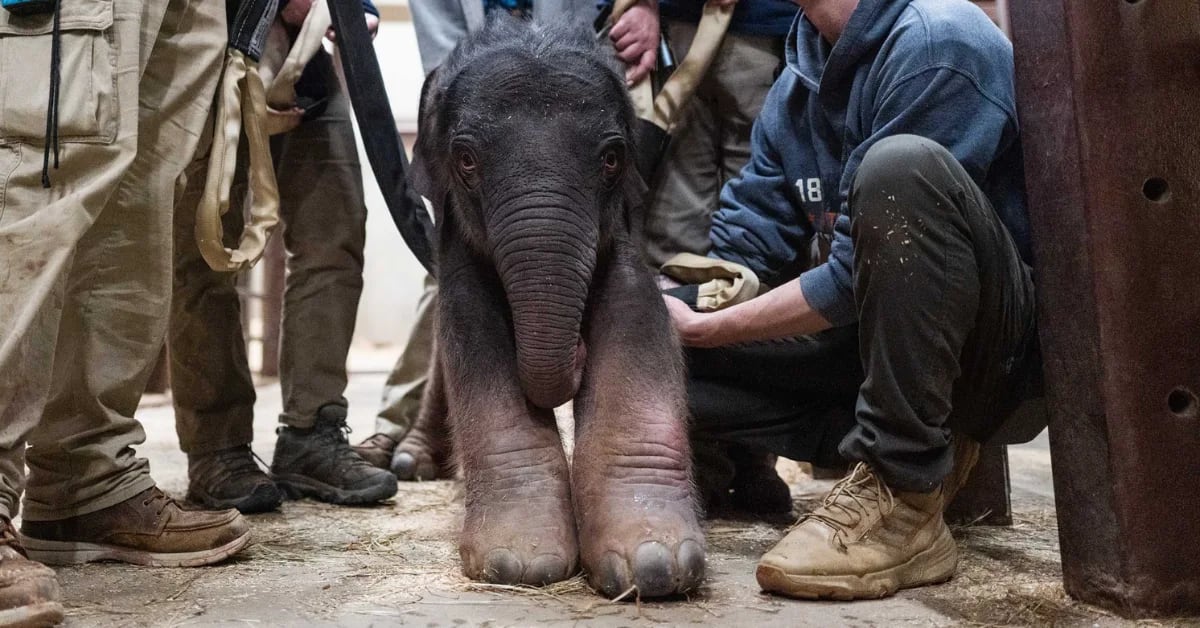
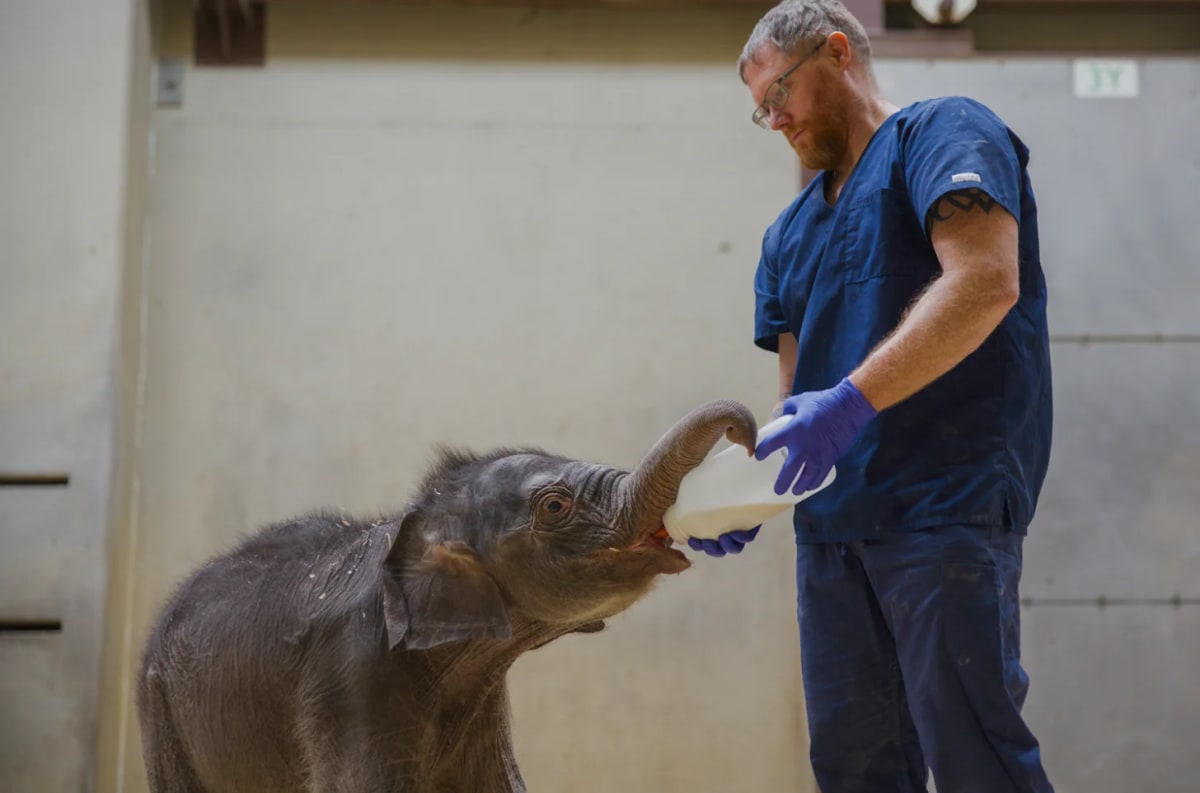
Her mother, first-time mom Nhi Linh, rejected her daughter by kicking and throwing hay at her. The elephant care team quickly separated them and began bottle-feeding Linh Mai every two hours around the clock.
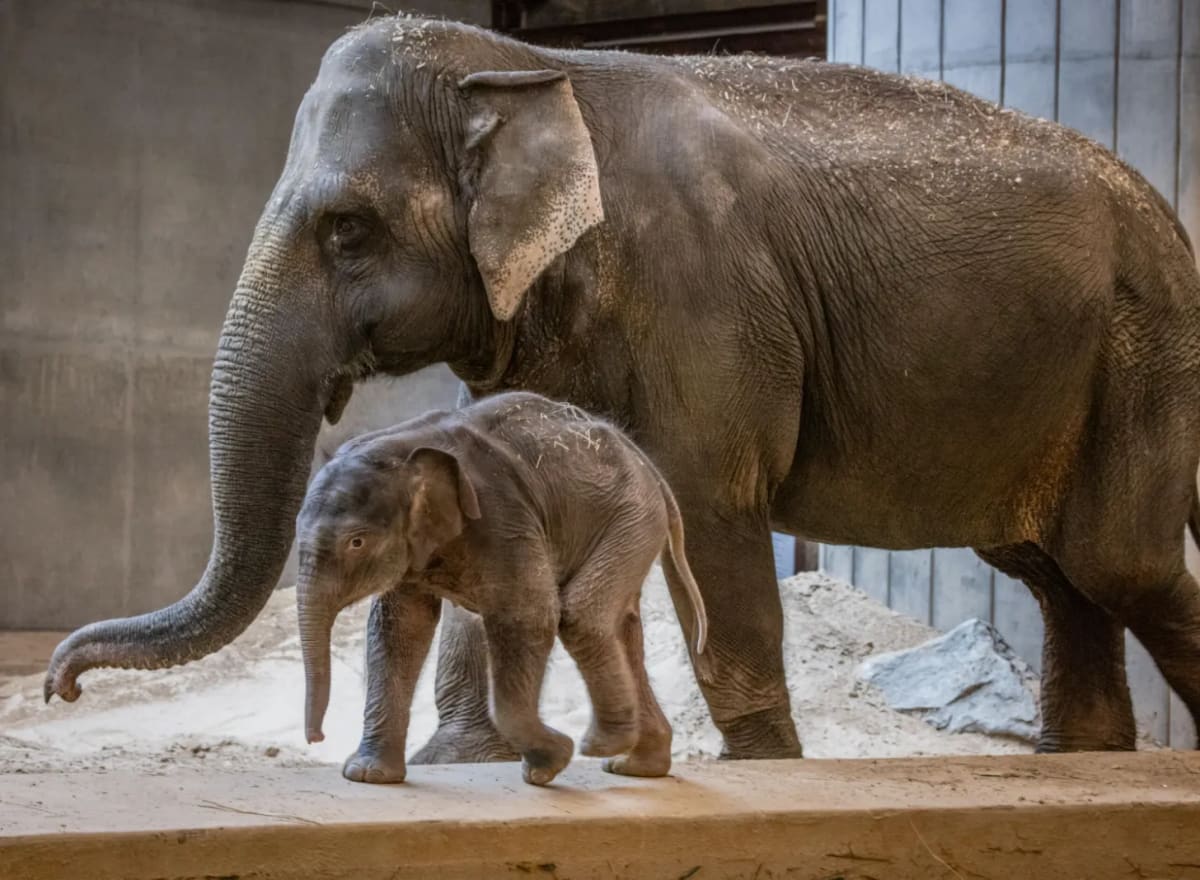
That's when Swarna, a 52-year-old experienced elephant mother, stepped in as an auntie. After gently exploring the baby's body with her trunk, she accepted Linh Mai as her own, and the rest of the herd followed suit.
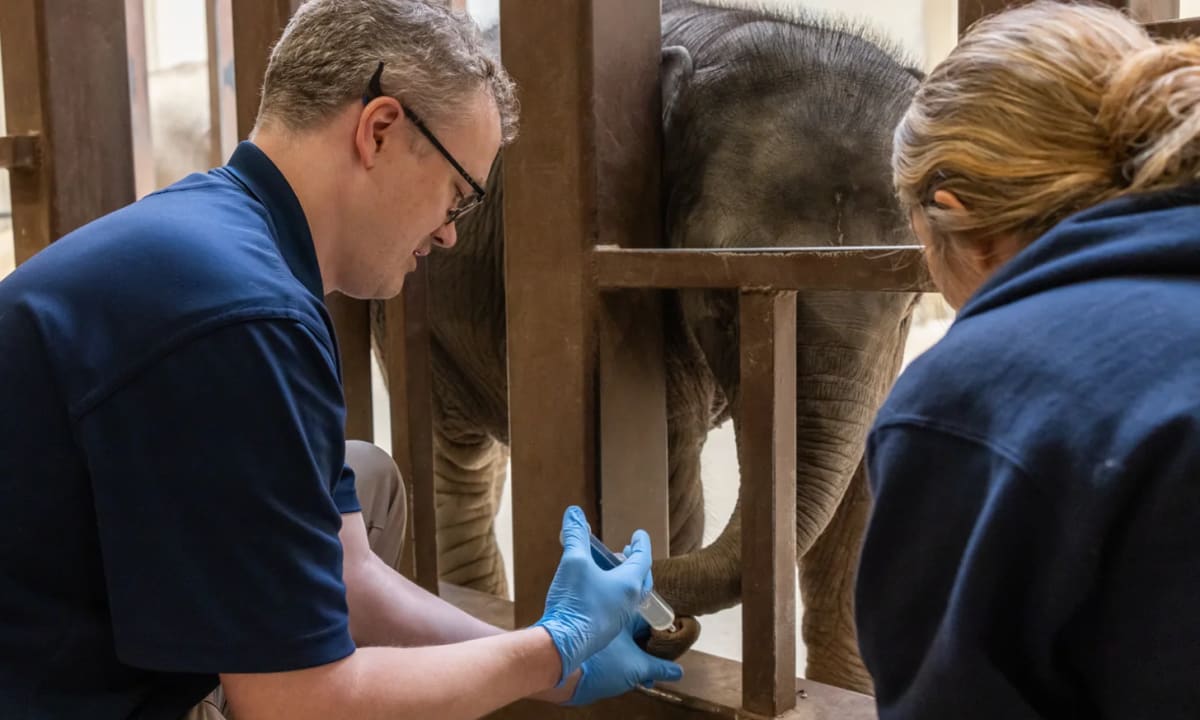
Now Linh Mai is thriving and learning something remarkable. She's being trained to actively participate in her own medical care, joining a growing program that's transforming elephant healthcare.
Since the mid-1990s, zookeepers have used positive reinforcement training to teach elephants voluntary healthcare behaviors. This approach eliminates the need for high-risk anesthesia during routine checkups.
At just two months old, Linh Mai learned to recognize her name when keepers called to her. Soon after, she mastered targeting, which means following a buoy on a dowel to move in specific directions, with keepers using a clicker to signal when she did well.
As her attention span grows, she'll learn more complex behaviors. Eventually, she'll present her feet for nail trims, open her mouth for dental checks, and stand still for X-rays and blood draws.
"Solid training allows our elephants to participate in their own medical care," says Daryl Hoffman, curator of large mammals at the Houston Zoo. He considers it just as important as food, shelter, and medical care for optimal welfare.
At five months old, Linh Mai already stands on a scale for weekly weigh-ins and weighs 930 pounds. She also reached another milestone in July when she took her first swim in the outdoor pool, diving into the 5.5-foot-deep end with her care team cheering her on.
The Ripple Effect
This training approach represents a major shift in zoo animal care. By teaching elephants to cooperate voluntarily in their healthcare, facilities can monitor their wellbeing more frequently and safely than ever before.
The method also strengthens bonds between elephants and their human caregivers, creating trust-based relationships. For endangered Asian elephants like Linh Mai, with fewer than 50,000 remaining in the wild, every healthy calf matters for species survival.
Linh Mai's story shows how compassion and innovation can work together, turning a difficult start into a hopeful beginning for one special spirit blossom.
More Images

Based on reporting by Good Good Good
This story was written by BrightWire based on verified news reports.
Spread the positivity!
Share this good news with someone who needs it