Baby Gets World-First Epilepsy Treatment, Seizure-Free
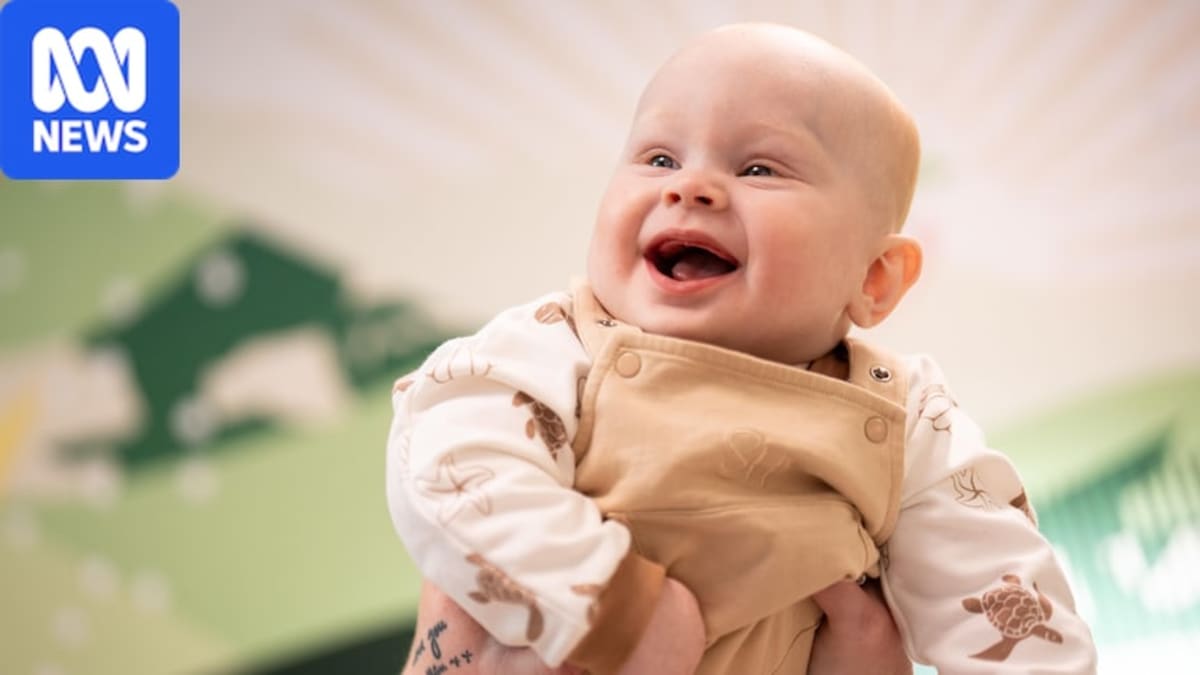
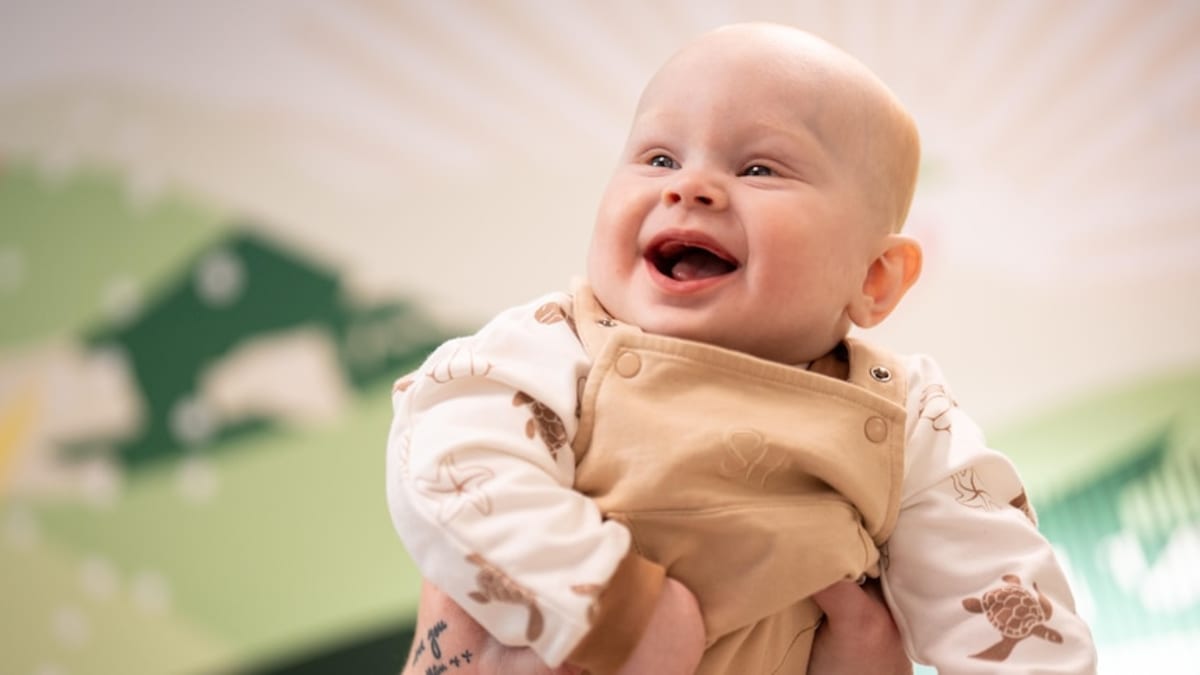
An Australian baby became the first person in the world to receive a precision medicine treatment for a rare, often-fatal form of epilepsy. Three days after his first dose, eight-month-old Bohdi Higginson had his final seizure.
When Bohdi Higginson started having seizures at three months old, his parents watched helplessly as their baby deteriorated rapidly. On his worst day, doctors recorded 74 seizures.
Bohdi was diagnosed with KCNT1-related catastrophic epilepsy, a genetic disorder so rare that only 18 cases have ever been recorded in Australia. Most children with this condition die in infancy or suffer severe disability, and until now, no effective treatment existed.
His parents, who had waited 10 years to have a baby, faced an impossible situation. Conventional medications weren't working, and Bohdi was losing developmental milestones he had already reached.
At four months old, Bohdi was referred to the Children's Hospital at Westmead in Sydney. There, doctors and researchers identified the specific genetic change causing his epilepsy and discovered a potential treatment developed overseas.
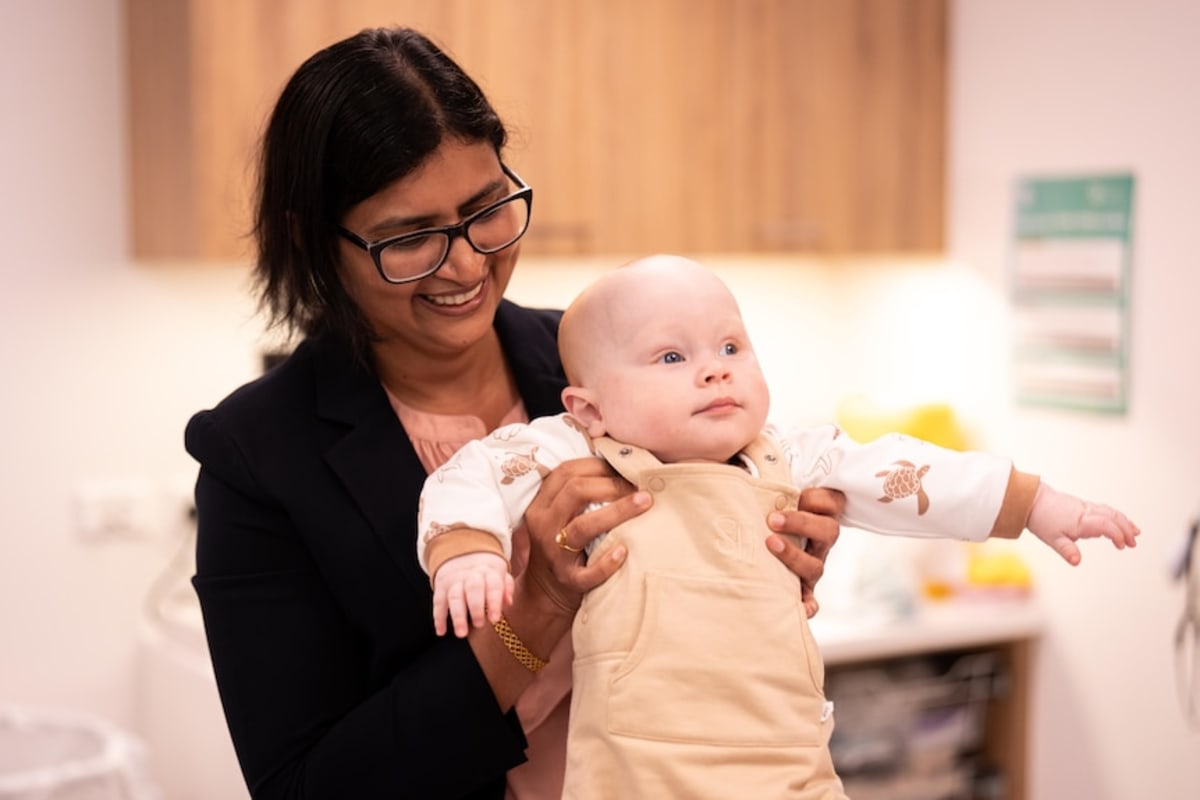
The catch? The treatment had never been tested in humans, only in animal studies. Dr. Kavitha Kothur, Bohdi's pediatric neurologist, called the decision to proceed both exciting and scary.
Through a new innovative therapies pathway designed to fast-track promising treatments, a multidisciplinary team assessed the experimental medicine. Stephanie Higginson and her husband felt they had little choice.
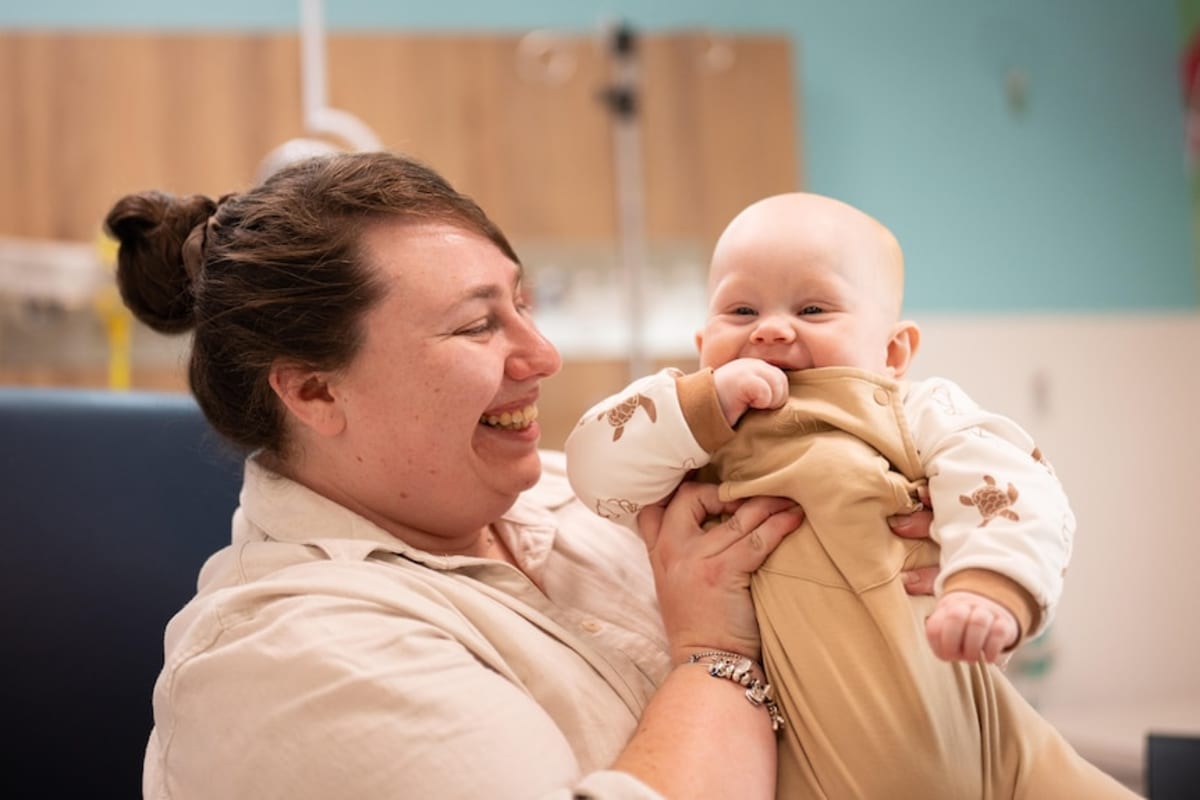
"The alternative was I was going to lose my son," she said. "So we thought, why not? Let's give it a go."
On April 21, Bohdi became the first person in the world to receive the precision medicine treatment. Just three days later, he had his final seizure.
When Dr. Michelle Lorentzos, medical lead for advanced therapeutics, first saw Bohdi after treatment, she could hardly believe the transformation. The baby who couldn't keep his eyes open was now babbling, smiling, and kissing his mother.
The Ripple Effect
Bohdi's breakthrough represents more than one family's miracle. The innovative therapies pathway that made his treatment possible is now being rolled out across New South Wales, potentially helping hundreds of thousands of children with rare conditions.
Precision medicine tailors treatment to each patient's specific genetic characteristics. In Bohdi's case, researchers matched his genetic diagnosis to a treatment targeting the exact abnormality causing his epilepsy.
The pathway streamlines the process of assessing and delivering experimental treatments, cutting through bureaucratic delays when families are running out of time. It's a model that other health systems worldwide are watching closely.
Bohdi continues receiving the treatment and will need ongoing monitoring to understand its longer-term effects. But for now, he's doing everything a baby should be doing: babbling, playing, and bringing joy to his parents.
"I always knew he was special," Stephanie said, "but he's just proven that he's even more special than I could ever have imagined."
For other families facing rare childhood diseases, Bohdi's story offers something precious: hope that miracles do happen and that advocating fiercely for your child can open doors that didn't exist before.
More Images
Based on reporting by ABC Australia
This story was written by BrightWire based on verified news reports.
Spread the positivity!
Share this good news with someone who needs it