Baby Planet Just 1 Million Years Old Breaks Age Record
Astronomers discovered the youngest planet ever found, less than a million years old and still forming in swirling clouds of dust and gas. The breakthrough challenges our understanding of how planets form and offers a window into what our own solar system looked like billions of years ago.
Scientists just confirmed a planet so young it's still wrapped in the cosmic blanket where it was born, and it's rewriting what we thought we knew about how worlds come to be.
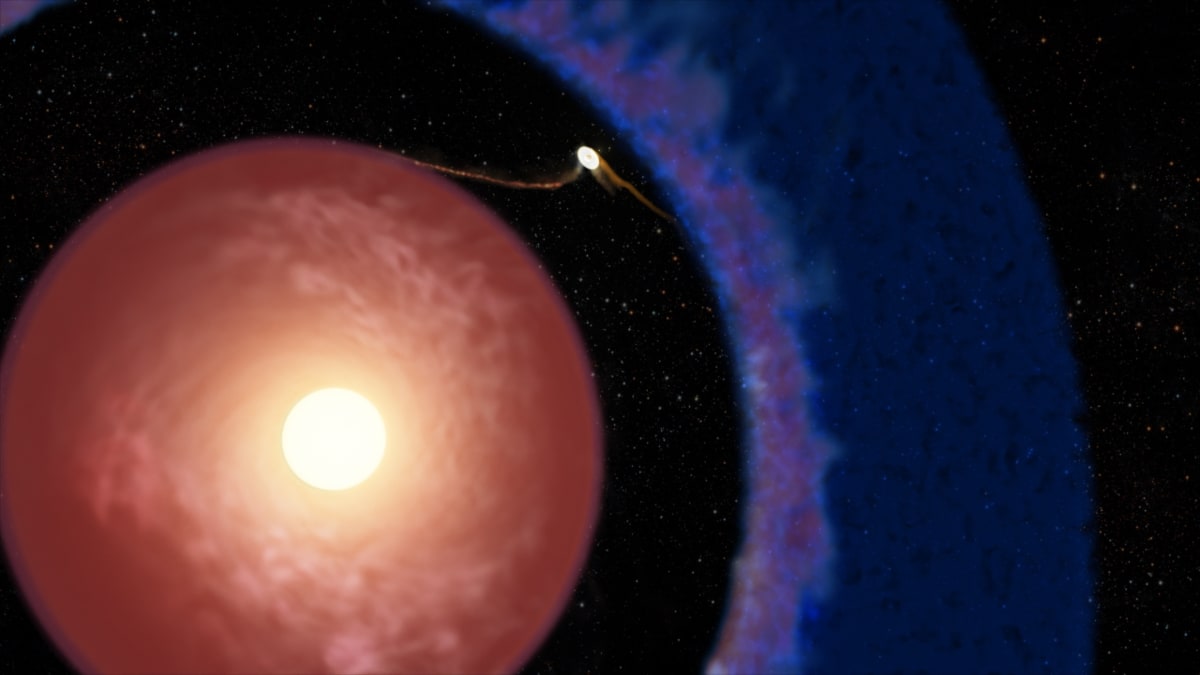
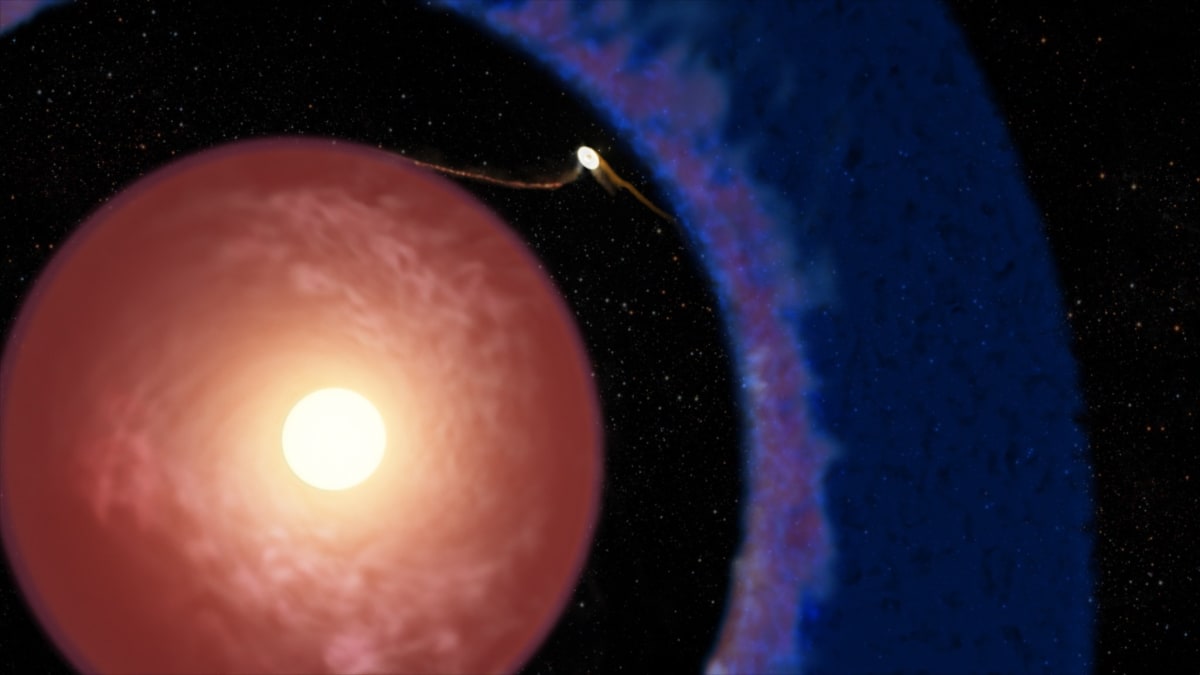
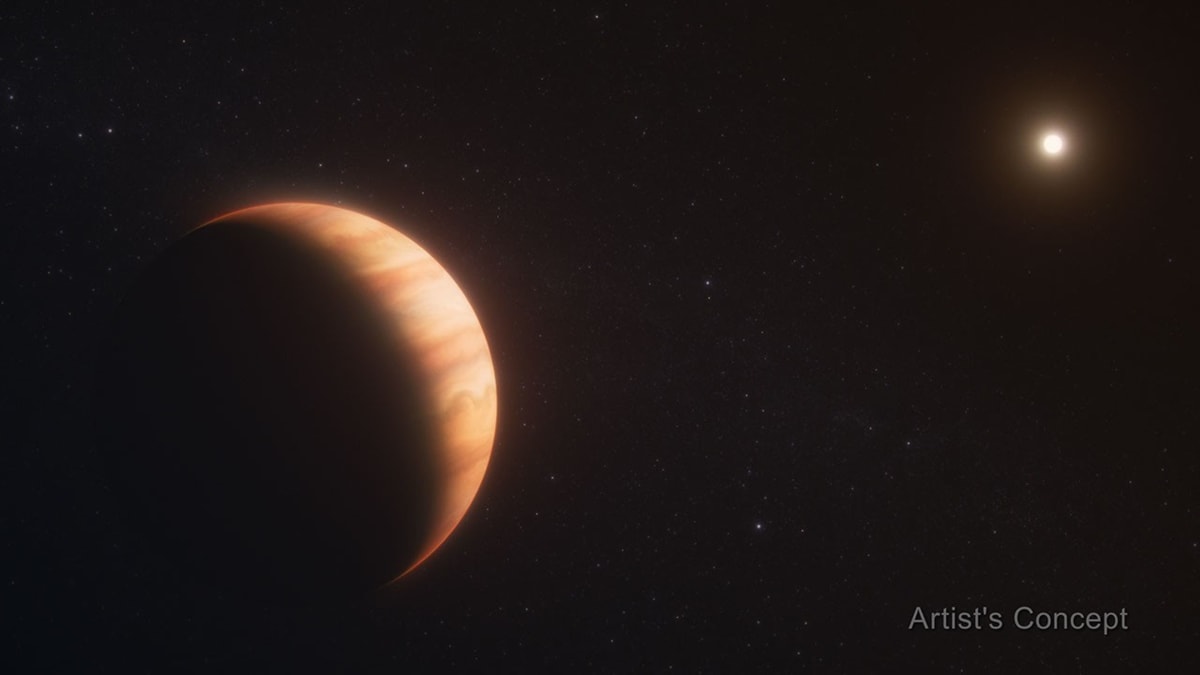
Meet Elias 2-24 b, a baby planet less than a million years old floating 450 light-years from Earth. That makes it five times younger than the previous record holders, which were already stretching scientists' planet-formation models to their limits.
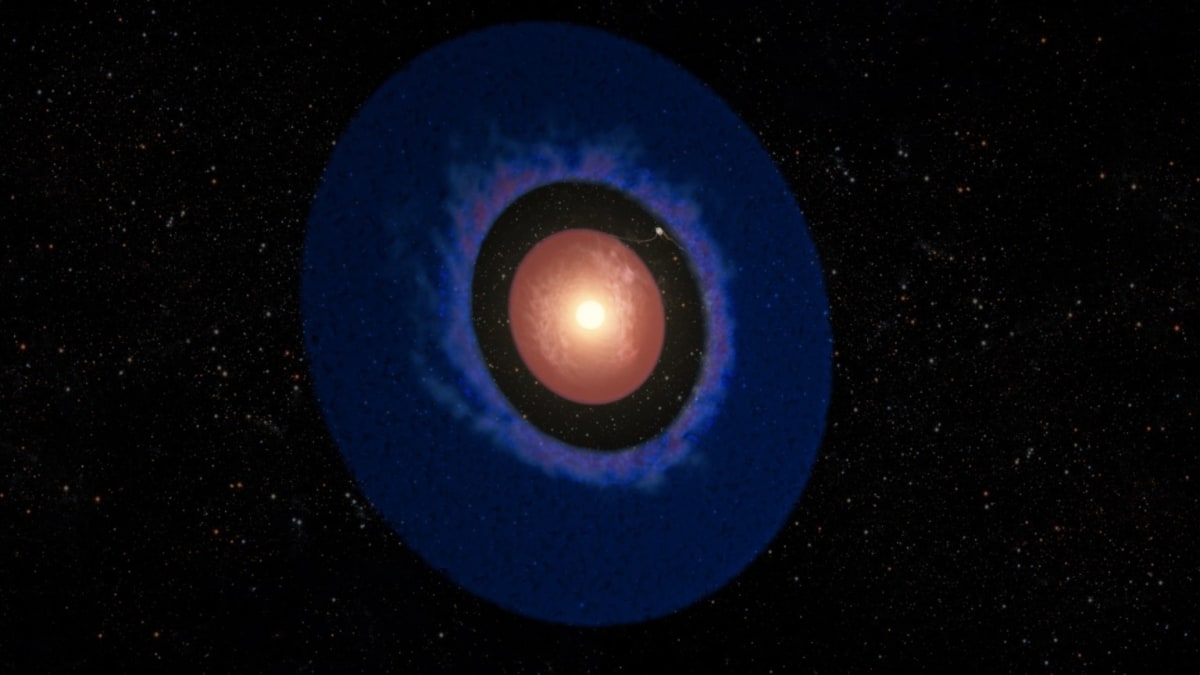
The planet is roughly Jupiter's size and sits nestled in a gap within the swirling disk of dust and gas surrounding its young star. Researchers led by Andrea Bernardi, a doctoral student in Chile, found it by analyzing archival data from the W. M. Keck Observatory in Hawaii, which partners with NASA.
"Our planet-formation models already struggled to explain the previous record holders," said Lucas Cieza, a professor in Chile who co-authored the study published in The Astrophysical Journal Letters. "Elias 2-24 b shows us that even our best models are still missing some important processes."
Finding baby planets is incredibly difficult because they're buried deep in the dusty clouds where they're forming. Most of the 6,000 confirmed exoplanets we know about are billions of years old, discovered because they pass in front of their stars and dim the light we can see.
But Elias 2-24 b is different. It's actively carving out its own path through the debris disk, sweeping up material as it grows. The team suspected planets would hide in the gaps they create within these disks, and that's exactly where they looked.
The discovery solves a decade-old mystery. Observations from telescopes in Chile had spotted both a gap in the young star's disk and a faint point of light sitting right in that gap. Scientists debated for years whether it could actually be a planet, since existing theories suggested such gaps appear too early and too far from stars for planets to form.
Why This Inspires
This tiny newborn world gives us a rare glimpse into the messy, chaotic process of planet birth. It's like finding a cosmic time machine that shows us what our own solar system looked like when Earth was just beginning to take shape.
The galaxy continuously creates new stars and planets, but we've been mostly blind to their earliest stages. Now that scientists know baby planets can form faster and farther from their stars than theories predicted, they can refine their models and search more effectively.
Every planet in our night sky, including the one beneath our feet, went through this wild infancy stage billions of years ago. Watching Elias 2-24 b grow up will help us understand our own cosmic origins.
More Images
Based on reporting by Google: NASA discovery
This story was written by BrightWire based on verified news reports.
Spread the positivity!
Share this good news with someone who needs it