Bacteria Lock 95% of Toxic Uranium Into Stable Form
Scientists discovered bacteria that naturally trap dissolved uranium from contaminated mine water and transform it into a stable compound that could help clean up radioactive pollution. The microbes removed 95% of toxic uranium in just 130 days.
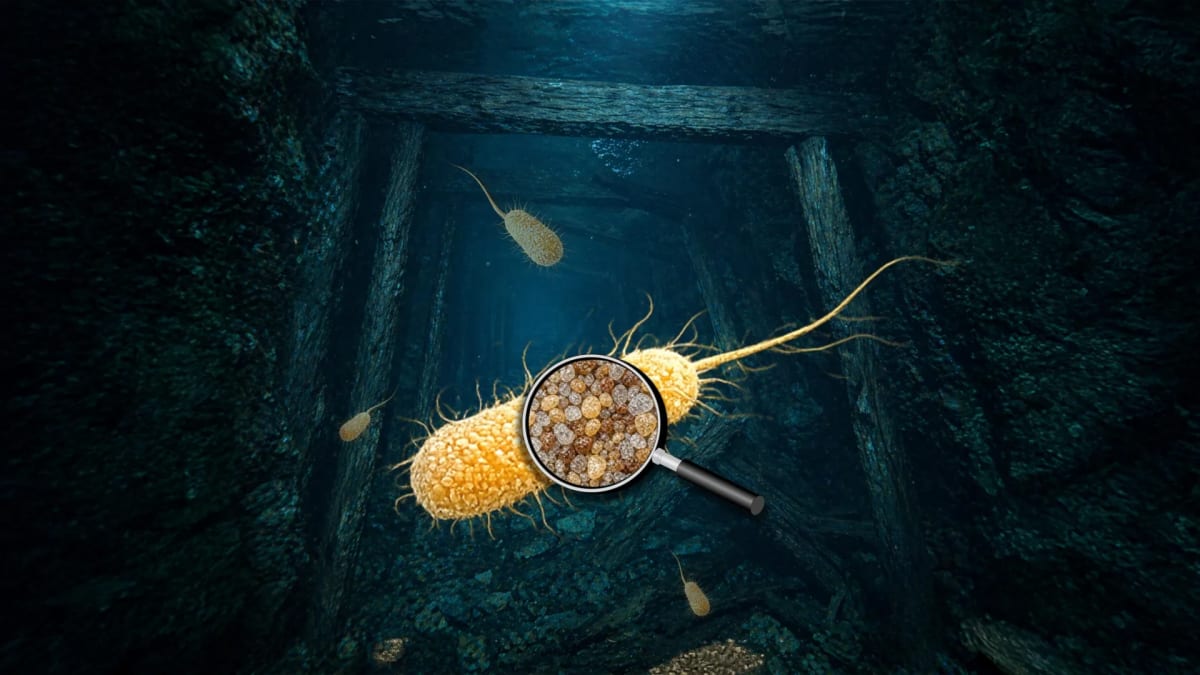
Deep underground in flooded uranium mines, bacteria are doing something remarkable that could help solve one of our toughest environmental challenges.
Researchers from the Helmholtz-Zentrum Dresden-Rossendorf in Germany discovered that common bacteria can trap radioactive uranium from contaminated water and lock it into a surprisingly stable form. When the team added glycerol to uranium-contaminated mine water, the microbes removed 95% of the dissolved uranium within 130 days.
The breakthrough happened almost by accident. Dr. Antonio Newman-Portela and his colleagues collected water from a flooded uranium mine nearly 2,000 meters deep in Germany's Ore Mountains. They added glycerol, a natural substance found in plant and animal fats, as food for the bacteria already living in the water.
What happened next surprised even the scientists. The bacteria didn't just consume the glycerol. They also pulled uranium from the water and stored it in their cell walls, transforming it into a chemical compound rarely seen in nature.
The uranium took on what chemists call a pentavalent state, a form previously thought to be unstable and temporary. But these bacteria created something different: a stable compound combining uranium, iron, and oxygen that can resist breakdown even when exposed to air.
Dr. Evelyn Krawczyk-Bärsch explains that this same compound was discovered in Croatian soil contaminated by uranium ammunition more than 25 years ago, still stable after all that time. Until now, no one knew how nature created it or that bacteria played a role.
The discovery matters because uranium mining and natural processes can dissolve this radioactive metal into groundwater, where it spreads and poses risks to people and ecosystems. Traditional cleanup methods are expensive and energy-intensive.
The Ripple Effect
This bacterial process offers a potential game-changer for environmental cleanup. The microbes work naturally, requiring only glycerol as fuel, which occurs abundantly in nature when fungi break down wood or organic matter decomposes.
The research team used advanced imaging at the European Synchrotron Radiation Facility in France to confirm their findings. They watched as uranium accumulated in bacterial cell membranes and transformed into the stable compound.
Beyond uranium mines, this discovery could help address contamination near nuclear facilities, weapons testing sites, and areas where uranium occurs naturally in dangerous concentrations. The bacteria essentially offer a biological lock and key, trapping radioactive material before it can spread.
The team published their findings in Nature Communications in August 2026, opening doors for future research into practical applications. Scientists now have a clearer picture of how nature might clean itself and how we could help that process along.
The next steps involve testing whether this bacterial approach can work on a larger scale outside the laboratory, bringing us closer to turning these tiny cleanup crews into powerful allies for protecting our water and soil.
Based on reporting by Science Daily
This story was written by BrightWire based on verified news reports.
Spread the positivity!
Share this good news with someone who needs it