Bahamas Unveils Carbon-Cutting Flight Tech at Climate Summit
A small island nation just showcased aviation technology that could reshape how planes fight climate change. Scientists from around the world are taking notice.
Climate researchers gathered in Nassau got their first look at a breakthrough aviation system that turns weather data into measurable carbon savings.
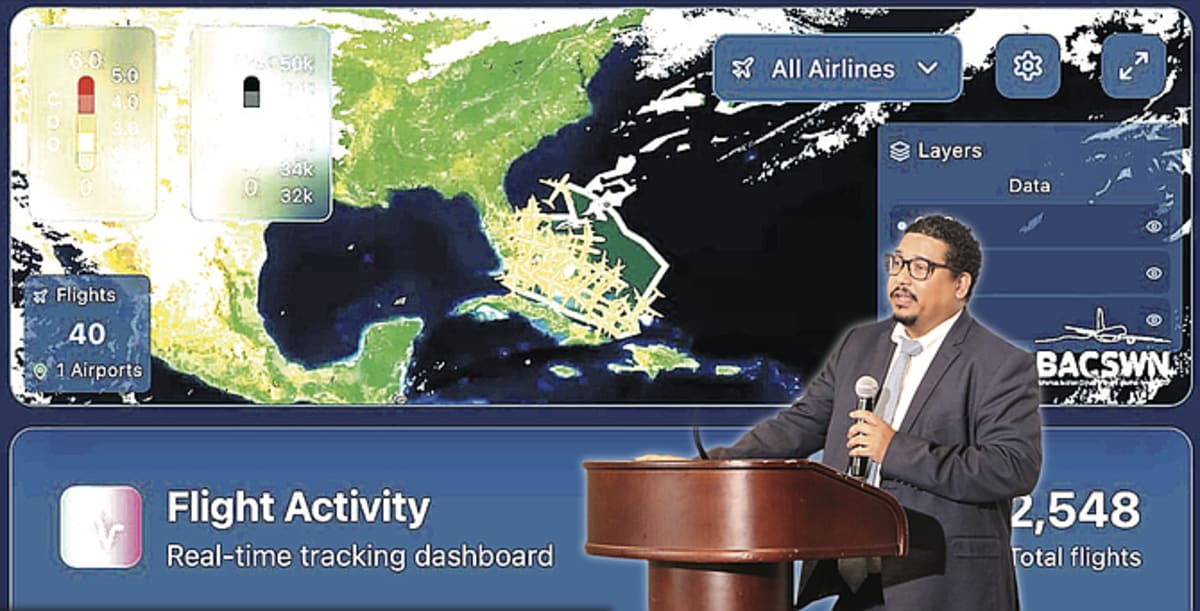
The Bahamas Aviation, Climate & Severe Weather Network presented its newly certified platform at the Intergovernmental Panel on Climate Change meetings this week. The system feeds real-time weather information and 3D terrain maps directly to flight crews, helping them choose routes that burn less fuel and cut emissions.
Quincy Rolle, CEO of Tribune Digital Labs and chief project developer, demonstrated how the technology tracks carbon reductions as they happen. Michael Strachan, BACSWN's Chief Operating Officer, walked international delegates through the flight intelligence software that makes it possible.
The response from climate scientists was immediate. Kisolel Lina Posanau, a meteorologist and IPCC expert reviewer from Papua New Guinea, praised the platform's value for island nations facing climate threats. Winston Chow, a leading Singaporean climate scientist who calls The Bahamas "a living case study of current climate realities," recognized the technology's potential to connect scientific research with practical emissions cuts.
The platform builds on a $427 million agreement signed with the Bahamian government in May 2025. That deal created the Caribbean's first Next-Generation Aviation Weather Centre, using advanced radar systems from Raytheon Technologies and partnerships with NOAA, the National Center for Atmospheric Research, and weather technology companies.
BACSWN holds 16 pending patents for the system, which integrates its WxSenseNet weather network with custom algorithms that measure aviation emissions in real time. The company first unveiled the concept at the S&P Global Carbon Markets Conference in Barcelona in December 2024, then returned a year later with major updates.
The Ripple Effect
Multiple countries attending the Nassau meetings asked how the technology could support their own climate initiatives and carbon market strategies. The questions signal growing recognition that small island nations can contribute meaningful solutions to global climate challenges, not just suffer their consequences.
The platform addresses aviation's climate impact where it matters most for vulnerable regions. Island nations depend on air travel but face the harshest consequences of the emissions it creates.
Prime Minister Davis acknowledged the government's partnership with BACSWN in bringing the largest IPCC gathering ever held in the Caribbean to Nassau. The meetings continue through May 22, feeding research into the AR7 climate report due in 2028.
Representatives from airlines internationally have shown interest in the flight optimization system as it moves from development to deployment across Bahamian airspace and potentially beyond.
A small island nation just proved that climate solutions can come from anywhere.
More Images



Based on reporting by Google News - Emissions Reduction
This story was written by BrightWire based on verified news reports.
Spread the positivity!
Share this good news with someone who needs it