Baker's Yeast Could Make Cancer Drugs, Save Rare Plant
Scientists engineered common baker's yeast to produce cancer drug ingredients, potentially ending reliance on an endangered Himalayan flower. The breakthrough could help millions of patients while protecting a threatened species.
Millions of cancer patients might soon get their life-saving treatments from the same ingredient that makes bread rise.
Researchers have successfully engineered baker's yeast to produce key ingredients for etoposide and teniposide, two widely used cancer drugs that treat lung, blood, and organ cancers. The discovery could eliminate the need to harvest chemicals from rare plants, including an endangered Himalayan flower.
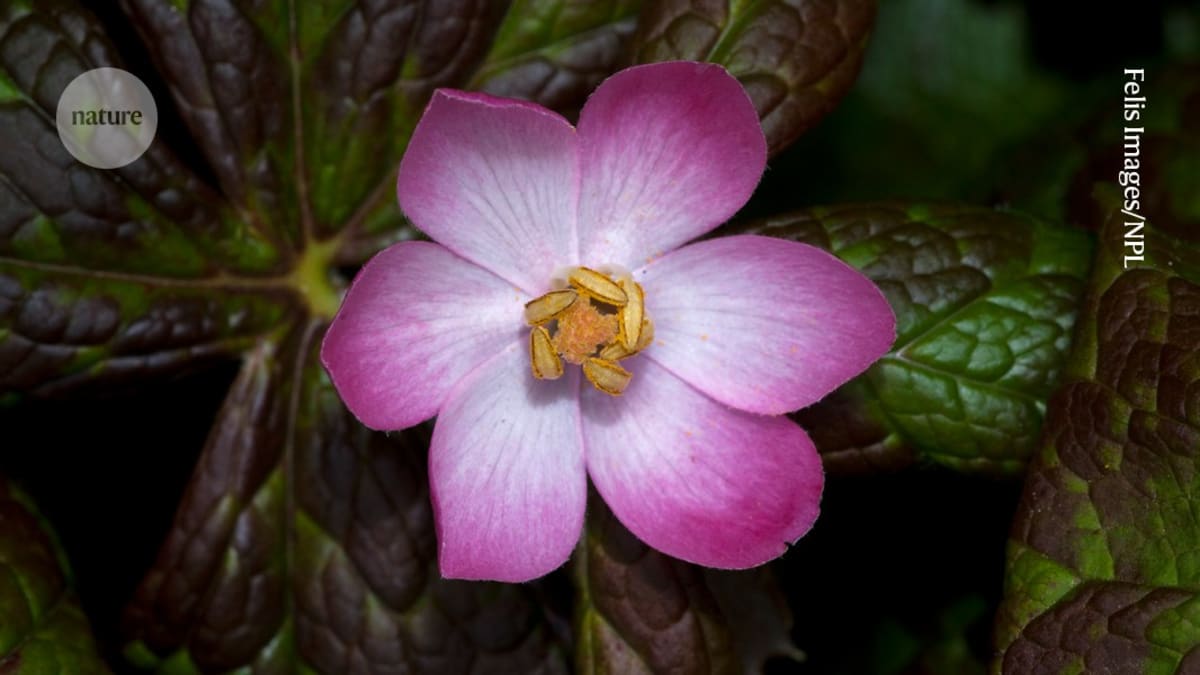
For decades, making these crucial cancer therapies has required extracting precursors from plants in the Podophylloideae subfamily. One of these sources is Sinopodophyllum hexandrum, a threatened species that grows only in high-altitude regions of the Himalayas.
The current manufacturing process creates a difficult situation. As demand for cancer treatments grows worldwide, so does pressure on already vulnerable plant populations. The low-yield extraction process makes matters worse, requiring large amounts of plant material for relatively small quantities of drug precursors.
The new yeast-based pathway changes everything. By programming common baker's yeast with the right genetic instructions, scientists created a renewable, scalable source for these vital drug ingredients.
This approach mirrors recent successes in synthetic biology, where scientists have used engineered microorganisms to produce everything from insulin to vanilla flavoring. The difference is that this breakthrough directly protects a species while expanding access to essential medicine.
The Ripple Effect
The implications reach far beyond one endangered plant. This method could make cancer drug production more efficient, potentially lowering costs and increasing availability for patients worldwide.
Protected populations of Sinopodophyllum hexandrum would have a chance to recover in their native mountain habitats. The plant plays important roles in its high-altitude ecosystem, and removing harvest pressure gives it room to thrive again.
The technique also opens doors for producing other plant-derived medicines through fermentation. Dozens of important drugs currently depend on harvesting wild or cultivated plants, some of which face similar conservation challenges.
For pharmaceutical companies, yeast fermentation offers consistency and reliability that wild harvesting cannot match. Production can scale up or down based on demand, without waiting for growing seasons or worrying about crop failures.
The research team detailed their findings in Science, providing a roadmap other scientists can follow and improve upon. As the technology matures, it could become the standard method for producing these cancer treatments.
This breakthrough shows how innovation can create wins on multiple fronts: better medicine, protected wildlife, and hope for a future where we don't have to choose between human health and planetary health.
More Images

Based on reporting by Nature News
This story was written by BrightWire based on verified news reports.
Spread the positivity!
Share this good news with someone who needs it