Tampa Drones to Deliver Blood to Emergencies in 3 Minutes
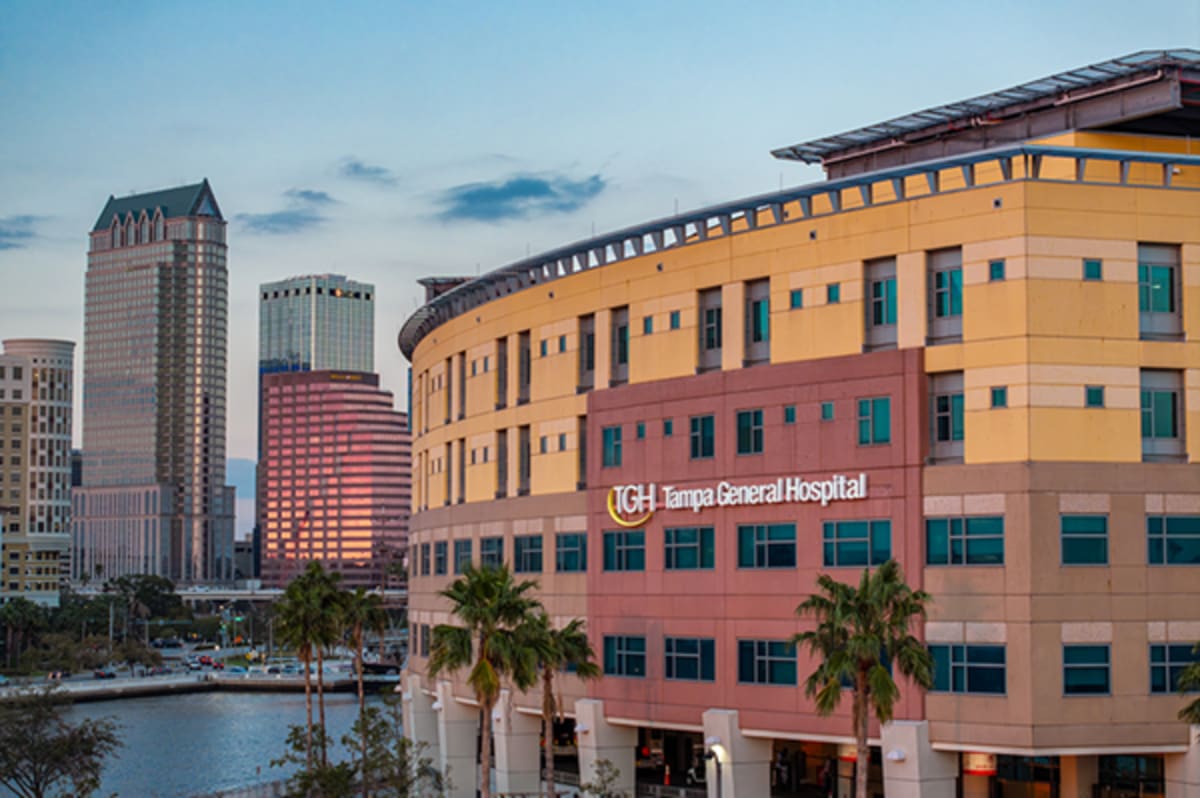
Tampa General Hospital is launching America's first drone delivery program for emergency blood transfusions, cutting transport time to under three minutes. When someone is bleeding out, those saved minutes could mean the difference between life and death.
When trauma patients are hemorrhaging, every passing minute without blood drastically reduces their chance of survival. Now, Tampa General Hospital is giving those patients precious time back with drones that can deliver whole blood to emergency scenes in under three minutes.
The hospital announced the nation's first EMS-driven drone delivery program for pre-hospital blood transfusions. Starting in October 2026, when someone calls 911 about a severe bleeding emergency in Hillsborough County, first responders will race to the scene while a drone carrying whole blood flies overhead.
The program covers 70 square miles across Tampa Bay, with two drones stationed at fire rescue locations serving areas with the highest rates of traumatic injuries. Hillsborough County Fire Rescue, the University of South Florida Health, OneBlood, and Archer First Response Systems partnered to make it happen.
Here's why it matters: trauma doctors call it the "golden hour." That critical first 60 minutes after a severe injury determines whether a patient lives or dies. Until now, that clock only started ticking once someone reached the hospital.
"The golden hour of trauma care has always started at the hospital door until now," said Michele Moran, Tampa General's senior vice president for emergency services. "This program puts whole blood directly into the hands of first responders before a patient ever reaches us."
When a 911 dispatcher identifies a call involving severe blood loss, they trigger the drone launch alongside sending ambulances and fire trucks. First responders can begin transfusions right there on the roadside, in someone's home, or wherever the emergency happens.
Chief Todd Carnell of Hillsborough County Fire Rescue put it simply: "This program puts an essential, lifesaving resource directly in our hands at the scene. It is a game changer for our first responders and, more importantly, for the families we serve."
The technology will initially serve two stations in the Faulkenburg/Sabal Park area and Riverview. Both locations were chosen because they respond to the highest number of penetrating trauma and hemorrhaging injuries in the county.
The Ripple Effect
Tampa Bay's innovation isn't just changing emergency care locally. It's rewriting what's possible in trauma medicine nationwide.
Other hospitals and emergency systems across America are watching this program closely. If drone delivery proves as lifesaving as doctors predict, it could become standard practice in cities everywhere within a few years.
Dr. Jason Wilson, Tampa General's chief of emergency medicine, emphasized the broader impact: "We are fundamentally changing what is possible for patient outcomes, and the landscape of innovation in emergency medicine as a whole."
The program still needs approval from the Hillsborough County Commission in September, but all partners are optimistic. Once operational, they plan to expand coverage based on early results and data from the pilot areas.
In a world where seconds count, Tampa Bay is giving trauma patients back the most precious resource of all: time.
More Images

Based on reporting by Google News - Health
This story was written by BrightWire based on verified news reports.
Spread the positivity!
Share this good news with someone who needs it