Baltimore Hairstylist Solves 2,000-Year Roman Hair Mystery
For centuries, scholars believed ancient Roman women wore wigs to achieve their elaborate hairstyles. A Baltimore hairstylist with zero archaeology training proved them all wrong.
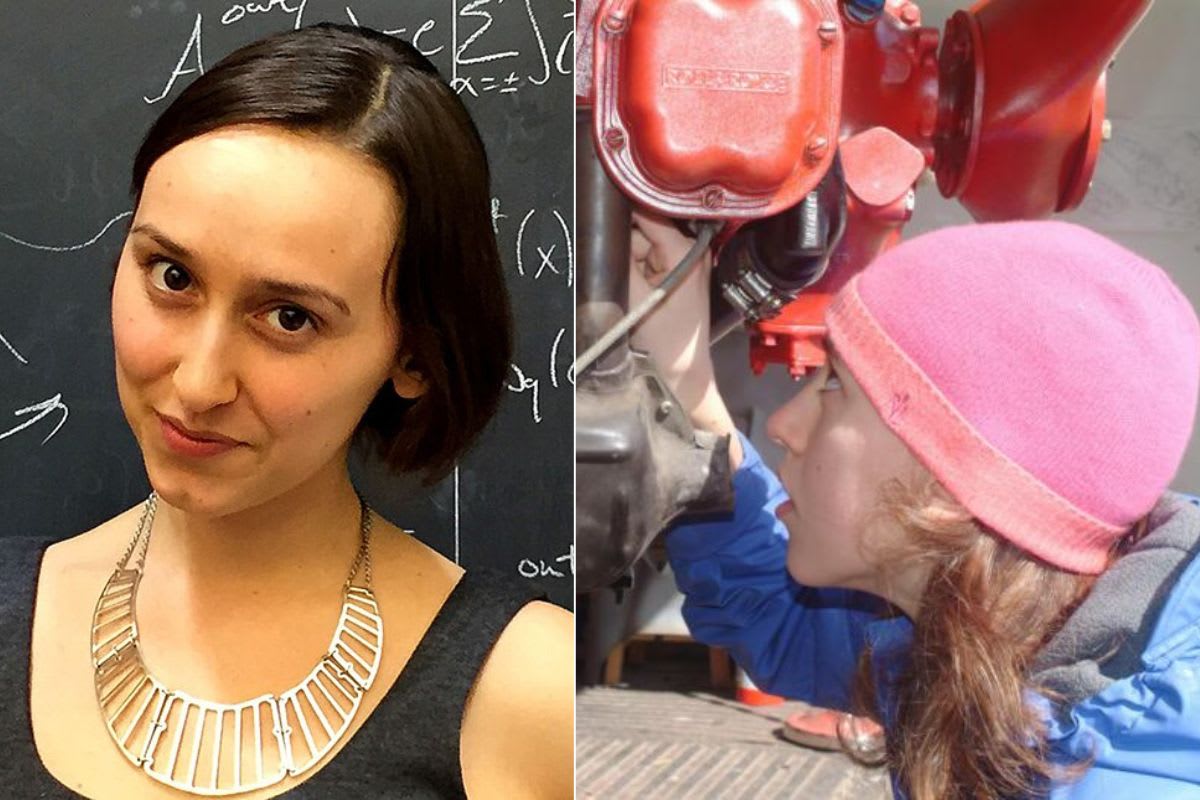
Janet Stephens was just visiting a museum when she spotted something experts had missed for 2,000 years.
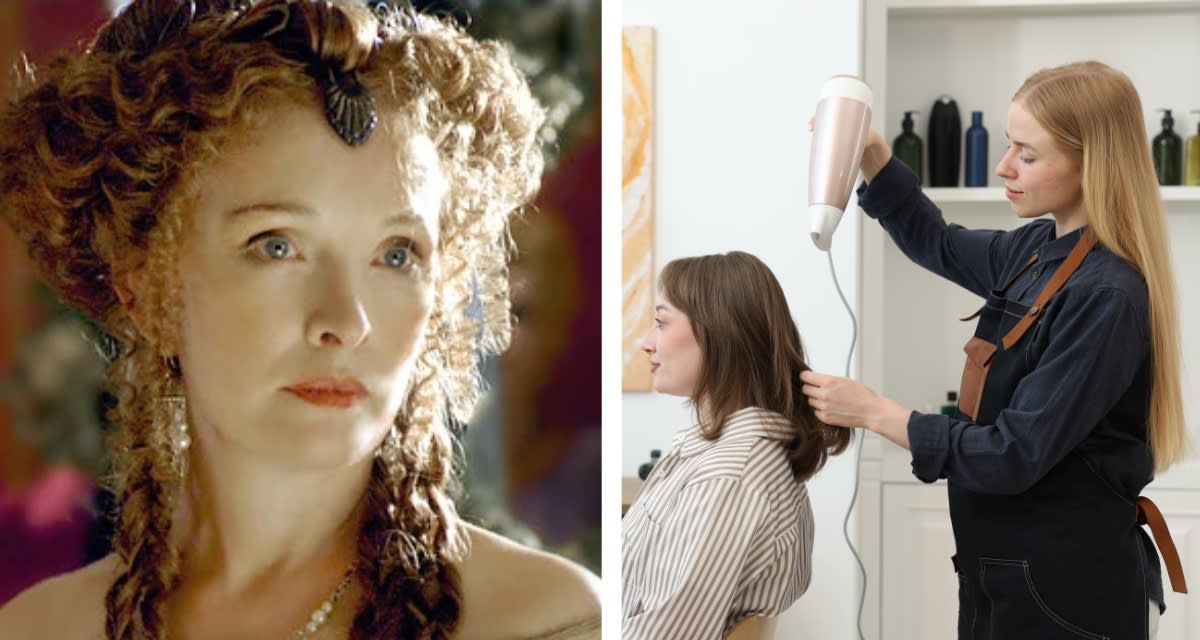
The professional hairstylist walked through The Walters Art Museum in Baltimore in 2001, studying Roman busts displayed from all angles. Unlike scholars who believed those gravity-defying braided updos were wigs, Stephens saw something different. She saw logic, technique, and real hair.
Back home, Stephens tried recreating the styles on practice dummies. Even with modern tools, she failed repeatedly. So she did what any determined problem-solver would do: she dove into academic research, despite having no formal training in archaeology or ancient languages.
For four years, Stephens used Google Translate to work through Latin texts line by line. In 2005, she found what generations of scholars had overlooked.
The Latin word "acus" has two meanings: single-prong hairpin and needle with thread. Translators always chose hairpin because it seemed obvious. Hairpins secure wigs, and everyone believed Romans wore wigs for these elaborate styles.
Stephens tried the other meaning. She grabbed a needle and thread and sewed the braids directly into place. It worked perfectly.
Her discovery got published in the Journal of Roman Archaeology. The Archaeological Institute of America presented her video demonstrations in 2012. In 2013, she became the first person in modern times to recreate the hairstyle of Roman Vestal Virgins.
Why This Inspires
Stephens' breakthrough shows that expertise comes in many forms. Academic knowledge matters, but so does practical, hands-on experience. Sometimes the person who solves an ancient mystery isn't the one with the most degrees, but the one who asks a different question.
Her story proves that your unique background isn't a limitation. It's your superpower. The years she spent mastering hair gave her insights that traditional scholars, despite their impressive credentials, simply couldn't see.
Today, Stephens runs a YouTube channel teaching both ancient and modern hairstyling techniques. She calls herself a "hair archaeology" specialist, a title she literally invented because she created an entirely new field.
One word in Latin, viewed through fresh eyes, unlocked centuries of mystery and changed how we understand Roman history forever.
More Images



Based on reporting by Google: archaeological discovery
This story was written by BrightWire based on verified news reports.
Spread the positivity!
Share this good news with someone who needs it