Hairstylist Cracks Ancient Roman Mystery Scholars Missed
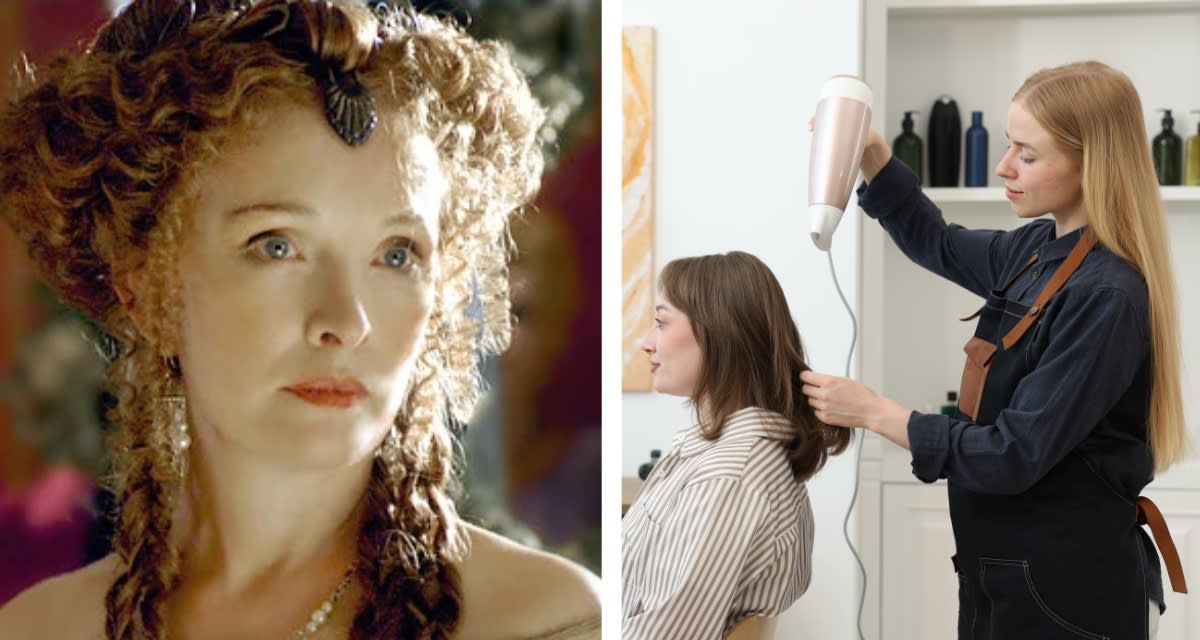
A Baltimore hairstylist with no archaeology training solved a 2,000-year-old mystery about Roman hairstyles that stumped scholars for centuries. Janet Stephens proved the elaborate updos weren't wigs but braids sewn together with needle and thread.
A professional hairstylist just proved that sometimes the best person to solve an ancient mystery isn't the one with the fancy degree.
For centuries, historians believed Roman women achieved their elaborate, gravity-defying hairstyles with wigs. The updos seemed too intricate, too perfectly structured to be real hair. But they were all wrong.
Janet Stephens, a Baltimore-based hairstylist, became fascinated with ancient Roman hair in 2001 during a museum visit. The Walters Art Museum had positioned their Roman busts so visitors could walk around them completely, unlike the usual against-the-wall display. That 360-degree view changed everything.
Stephens saw something scholars had missed. The hairstyles had a logic to them, a construction that suggested skilled hands working with real hair, not wigs. She decided to test her theory at home.
Her first attempts failed miserably. Even with modern styling tools and years of professional experience, she couldn't recreate the ancient styles on her practice dummies. So she dove into academic research, reading paper after paper about Roman fashion and beauty.
The articles didn't help much. Stephens realized the scholars writing them didn't actually understand how hair works. They knew history but not hairdressing.
She spent years experimenting with techniques and struggling through Latin texts. Using Google Translate, she worked through ancient documents line by line, searching for clues the experts had overlooked.
In 2005, she found it. The Latin word "acus" appears frequently in Roman hairdressing texts. Translators had always interpreted it as "single-prong hairpin," which made sense since hairpins are used to secure wigs. But acus has another meaning: needle and thread.
Stephens grabbed a needle and thread and started sewing braids together. It worked perfectly. The elaborate Roman hairstyles weren't wigs at all. Women had been stitching their braids into place, creating structures that could support the weight and complexity of those iconic updos.
Her discovery was published in the Journal of Roman Archaeology. In 2012, she presented her findings to the Archaeological Institute of America. The next year, she became the first person in modern times to recreate the hairstyle of the Roman Vestal Virgins.
Why This Inspires
Stephens' breakthrough shows that expertise comes in many forms. The scholars had the historical knowledge but lacked practical understanding of hair. Stephens had spent decades learning how hair moves, holds, and behaves. That hands-on knowledge let her see what others couldn't.
Her story reminds us that solving old problems sometimes requires fresh eyes. The academics kept interpreting acus as "hairpin" because that's what other academics had always said. Stephens had no such bias. She simply asked: what if we're reading this wrong?
Today, Stephens runs a YouTube channel demonstrating both ancient and modern hairstyling techniques, bridging the gap between history and hands-on craft. A museum visit turned one curious hairstylist into a pioneer of what she calls "hair archaeology," proving that passion and persistence can unlock secrets that credentials alone cannot.
More Images



Based on reporting by Upworthy
This story was written by BrightWire based on verified news reports.
Spread the positivity!
Share this good news with someone who needs it