Ukraine Aid Worker Finds New Routes When Old Ones Fail
A security officer in Ukraine has turned obstacle-solving into an art form, ensuring humanitarian aid reaches people even when conditions change hourly. Her approach balances safety with compassion, always asking "how do we make tomorrow possible?"
When roads disappear overnight and safe routes become impassable, Olga Scripovscaia asks one simple question: what's another way?
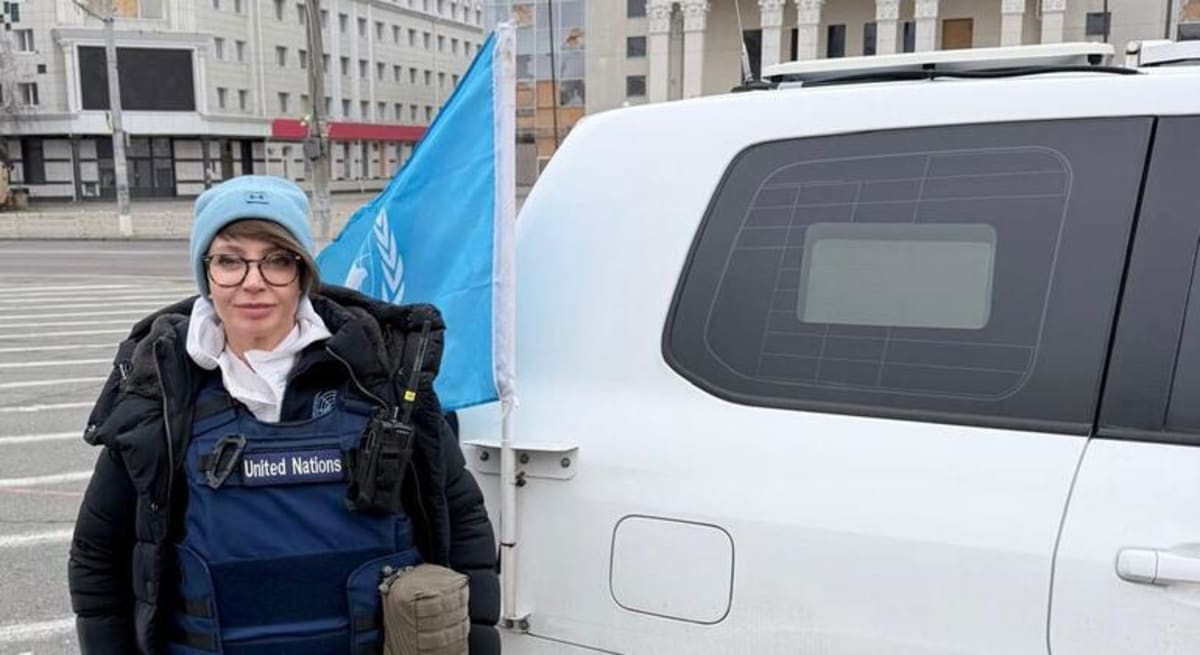
As a field security coordination officer in southern Ukraine, Scripovscaia coordinates humanitarian missions across three regions where access conditions shift constantly. Her job is making sure aid reaches people who need it while keeping teams safe.
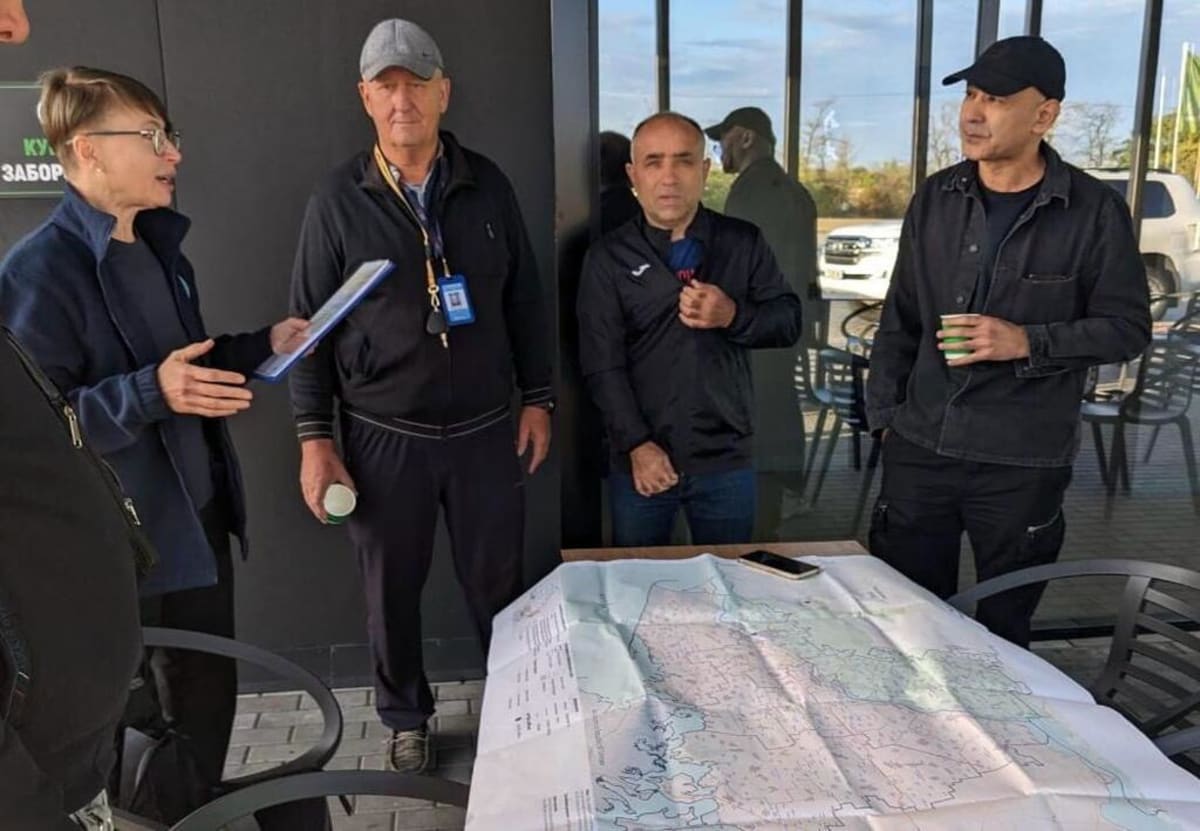
Every morning starts with reviewing what changed overnight. She checks incident reports, monitors updates from local authorities, and assesses conditions across Odesa, Mykolaiv, and Kherson to determine which routes remain viable.
"A road that is usable today may not exist tomorrow," she explained. Her team produces real-time updates and adjusts movement plans as conditions evolve, ensuring humanitarian operations continue despite rapid changes on the ground.
Scripovscaia brings a unique perspective to security work. Coming from a military background, she values structure and protocol, but she also pays attention to the human side of operations.
"Being a woman, maybe you see more than protocol," she said. "You see tears. You see emotions." Before missions into difficult areas, she asks colleagues how they're feeling, whether they understand the risks, and whether they need more information before deployment.
The hardest part of the job comes when humanitarian needs collide with dangerous conditions. People urgently need assistance in locations where risks remain extremely high, creating dilemmas that protocols alone can't solve.
"Protocol gives me maybe 75 percent of the reason to say no," she said. "But I still keep 25 percent in my heart for those people."
Why This Inspires
When missions can't proceed as planned, Scripovscaia's team doesn't give up. Instead, they immediately shift to problem-solving mode: changing routes, reassessing conditions, or identifying future windows for access.
This persistence reflects a broader truth about humanitarian work. It's not just about following safety rules, it's about creatively finding solutions when circumstances demand flexibility.
Scripovscaia works across all UN agencies in southern Ukraine, helping teams navigate complex security landscapes while maintaining focus on their mission. Her approach demonstrates that effective humanitarian work requires both rigorous planning and human compassion.
For her, the purpose is clear: "If today is not possible, we are already thinking about how to make it possible tomorrow."
More Images
Based on reporting by UN News
This story was written by BrightWire based on verified news reports.
Spread the positivity!
Share this good news with someone who needs it