Bangkok Plans New Pedestrian Bridge Linking Old and New
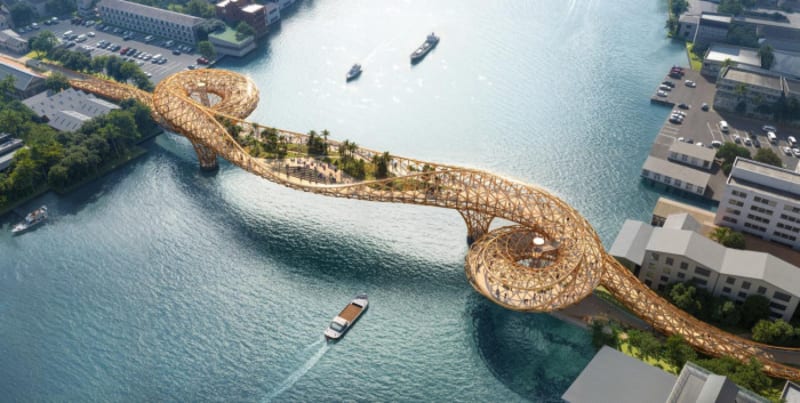
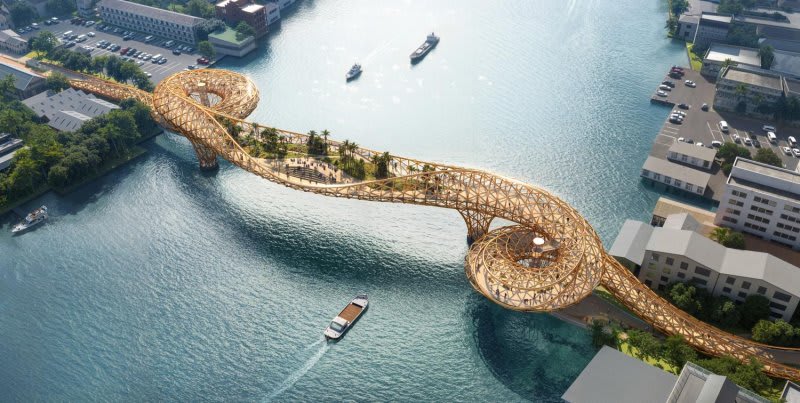
Bangkok Governor Chadchart Sittipunt is moving forward with plans for a stunning 300-meter pedestrian and bike bridge across the Chao Phraya River, designed to become the city's next iconic landmark. The project would connect the historic Old Town with the quieter Thon Buri district, creating a car-free space where residents can walk, exercise, and experience the city from a whole new perspective.
Bangkok is getting a bridge that puts people first, and it could change how millions experience one of Asia's most vibrant cities.
Governor Chadchart Sittipunt has been quietly developing plans for a pedestrian and bicycle bridge spanning the Chao Phraya River since 2022. The proposed 300-meter crossing would link the trendy Song Wat Road area, where century-old shophouses now house cafes and studios, to the underdeveloped Klong San district on the opposite bank.
Unlike most urban infrastructure projects, this one bans cars entirely. The bridge would create a rare sanctuary in Bangkok where people can walk, cycle, and exercise above the river without dodging traffic.
Den Muangsen, a local resident of over ten years, sees it as a game changer for public space. "Right now, I have to go to Lumpini Park," he said. "If this bridge is built, I wouldn't need to anymore." He imagines elderly residents taking morning and evening strolls, safely exercising in fresh air above the water.
The project aims to do more than just connect two neighborhoods. Governor Chadchart envisions it as Bangkok's first major non-religious landmark, a contemporary symbol that could rival iconic bridges in cities worldwide. It would become only the second pedestrian recreation bridge across the Chao Phraya, following the 2020 Chao Phraya Sky Park.
Local business owners see economic potential too. Sianglim Sae Ko, who runs a noodle shop near the proposed bridge site, notes that foreign tourists love walking. "This would give them more options," he said. "During festivals like Loy Krathong or New Year, it could be a place to enjoy the celebrations and fireworks without being crushed by crowds."
The design would leave the river channel completely clear, with support pillars only on the banks. Early estimates put the cost in the billions of baht, with construction potentially starting in 2028 and completion by 2030.
The Ripple Effect
The bridge represents something bigger than infrastructure. Song Wat Road has already transformed from a forgotten corner into a cultural destination, but the Thon Buri side remains quiet and underdeveloped. A pedestrian connection could spread prosperity across the river, bringing new cafes, shops, and cultural venues to neighborhoods that tourism has largely bypassed.
Den even imagined a dragon-inspired design that could light up at night, creating a signature landmark visible across the city. The vision isn't just about moving people from point A to point B, but about creating a destination where Bangkok residents and visitors alike can experience the city at human speed, on foot, breathing in river breezes without exhaust fumes.
Some residents remain cautious about whether the investment will pay off long-term. One local stressed that success depends on active promotion and regular events, not just building and abandoning it. But the overwhelming sentiment is hope for a city that has long prioritized cars over people.
If built, the bridge would give Bangkok something remarkable: a landmark defined not by monuments or motorways, but by people crossing a river together, one step at a time.
More Images

Based on reporting by Bangkok Post
This story was written by BrightWire based on verified news reports.
Spread the positivity!
Share this good news with someone who needs it