Bangkok Tests Waste Sorting in 10 High-Rise Buildings
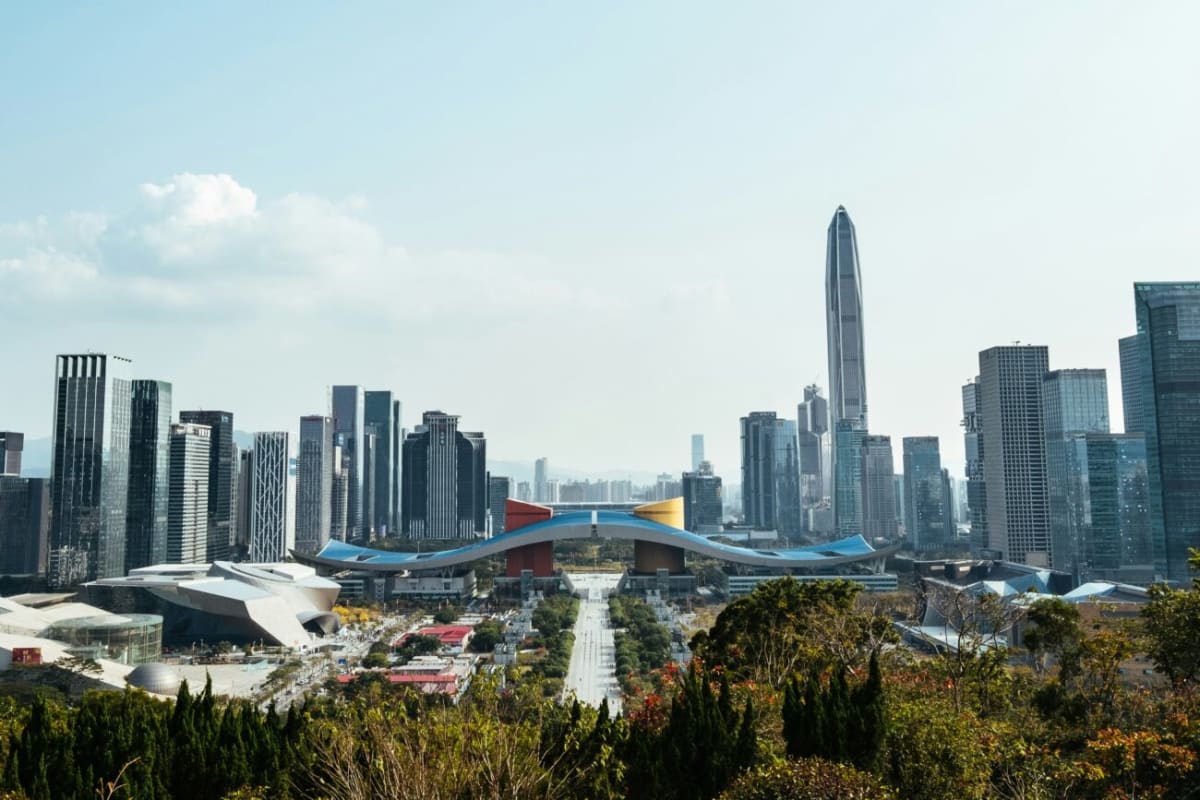
Bangkok is piloting a waste separation program in 10 condominiums that could transform how the city of 8 million tackles its daily 8,700 tonnes of garbage. If successful, the project will expand across all 50 districts in the coming years.
Bangkok produces enough garbage every day to fill more than 1,000 garbage trucks, and more than half of it ends up poisoning soil and releasing methane into the atmosphere in overflowing landfills.
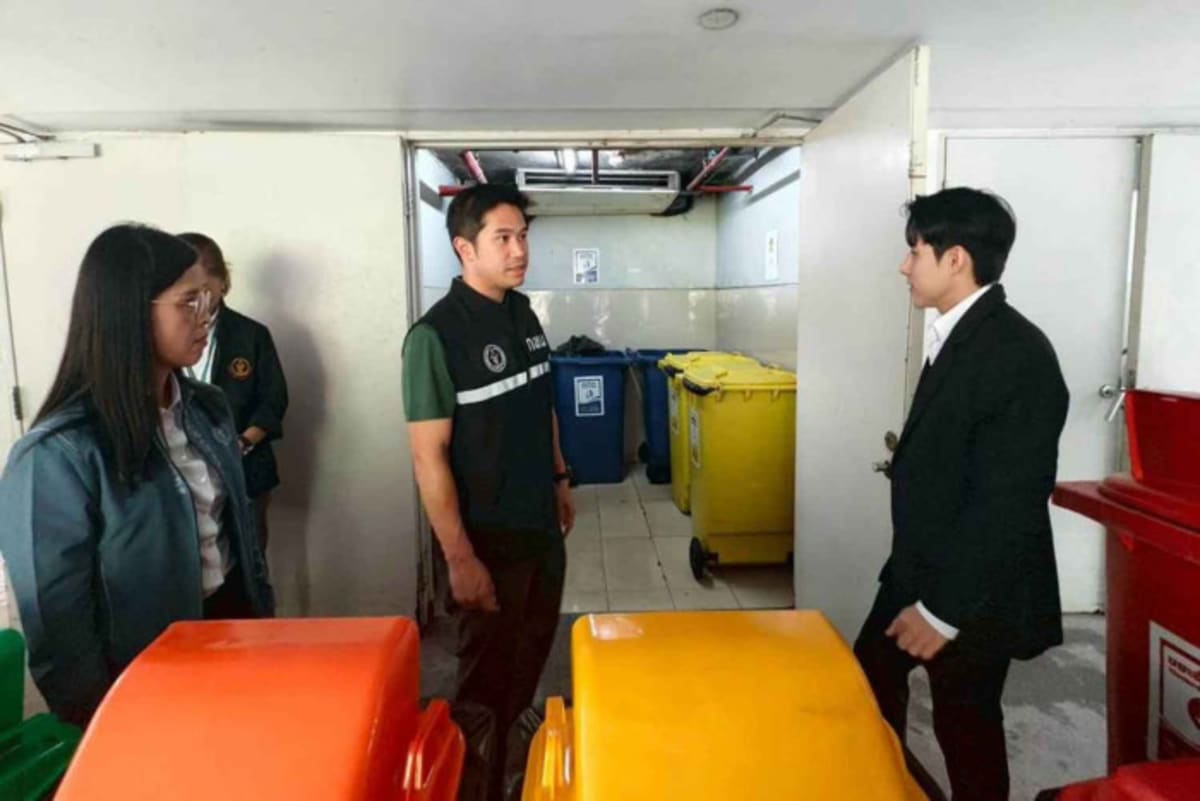
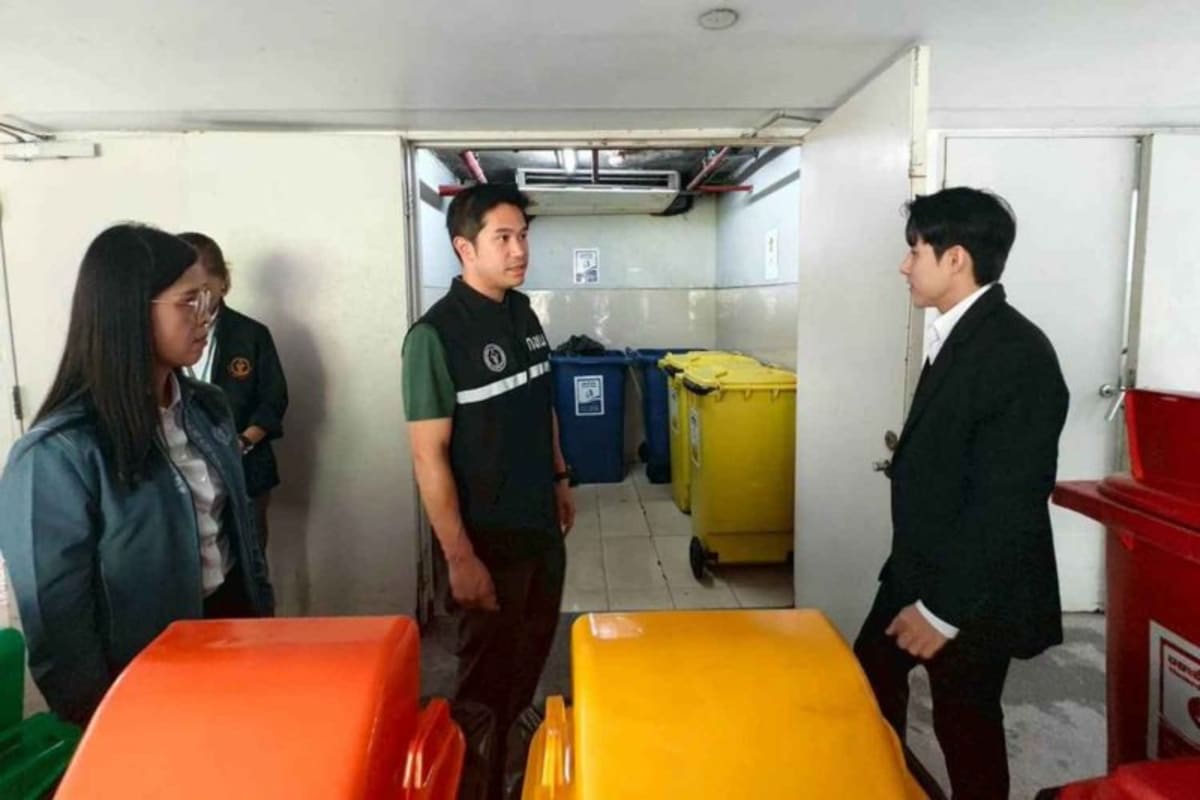
But a new pilot project launched in February is proving that even residents of cramped high-rise buildings can make separation work. The Bangkok Metropolitan Administration is testing a "No Mixed Waste" program in 10 condominiums across Klong Toey and Watthana districts, tackling challenges like garbage chutes, limited space for bins, and waste rooms shared by hundreds of families.
The project equips buildings with proper sorting infrastructure and teaches residents how to use it through education programs. Danish waste management experts are partnering with Thai environmental groups and the city government to design systems that actually fit into people's daily lives.
The timing matters because condominiums now make up a growing share of Bangkok's housing. When waste from hundreds of households gets mixed together before collection, it ruins any separation efforts happening inside individual apartments.
The Ripple Effect
Success here could unlock massive environmental wins. About 40% of Bangkok's waste is recyclable, but only 20% actually gets recycled. Most of that happens thanks to informal waste pickers called saleng, who sort through garbage by hand.
Proper separation at the source would make their work safer and more effective while keeping methane-producing organic waste out of landfills. Methane causes around 30% of current global temperature rise and increases the risk of landfill fires that create toxic PM2.5 air pollution.
The city started encouraging waste separation back in 2022 under Governor Chadchart Sittipunt, beginning with food waste programs in select neighborhoods. By 2023, it expanded citywide across all 50 districts, though getting consistent participation remained tough.
Last year, Bangkok added financial incentives, charging higher fees to buildings that send mixed waste and lower fees to those that separate properly. But residents stayed skeptical, doubting whether their carefully sorted trash actually stayed separated after collection trucks arrived.
Rasmus Andreas Toender, the Danish circular economy specialist working on the project, acknowledges that building trust takes time. Denmark spent decades developing its waste systems, he notes, and they're still improving.
The key is giving people simple sorting systems and proof that their effort makes a real difference. After this pilot wraps up, the Danish Environmental Protection Agency will analyze the results with Thai partners to refine the approach before the citywide rollout.
Eight million people learning to sort their waste could keep thousands of tonnes of garbage out of landfills every single day.
More Images

Based on reporting by Bangkok Post
This story was written by BrightWire based on verified news reports.
Spread the positivity!
Share this good news with someone who needs it