Bangladesh Invests in Early Childhood to Break Poverty Cycle
Bangladesh is bringing together government officials, researchers, and development experts to prove that investing in children early creates lasting social mobility and breaks generational poverty. New evidence shows supporting early childhood development delivers better returns than interventions later in life.
Bangladesh is building a roadmap out of poverty that starts with its youngest citizens.
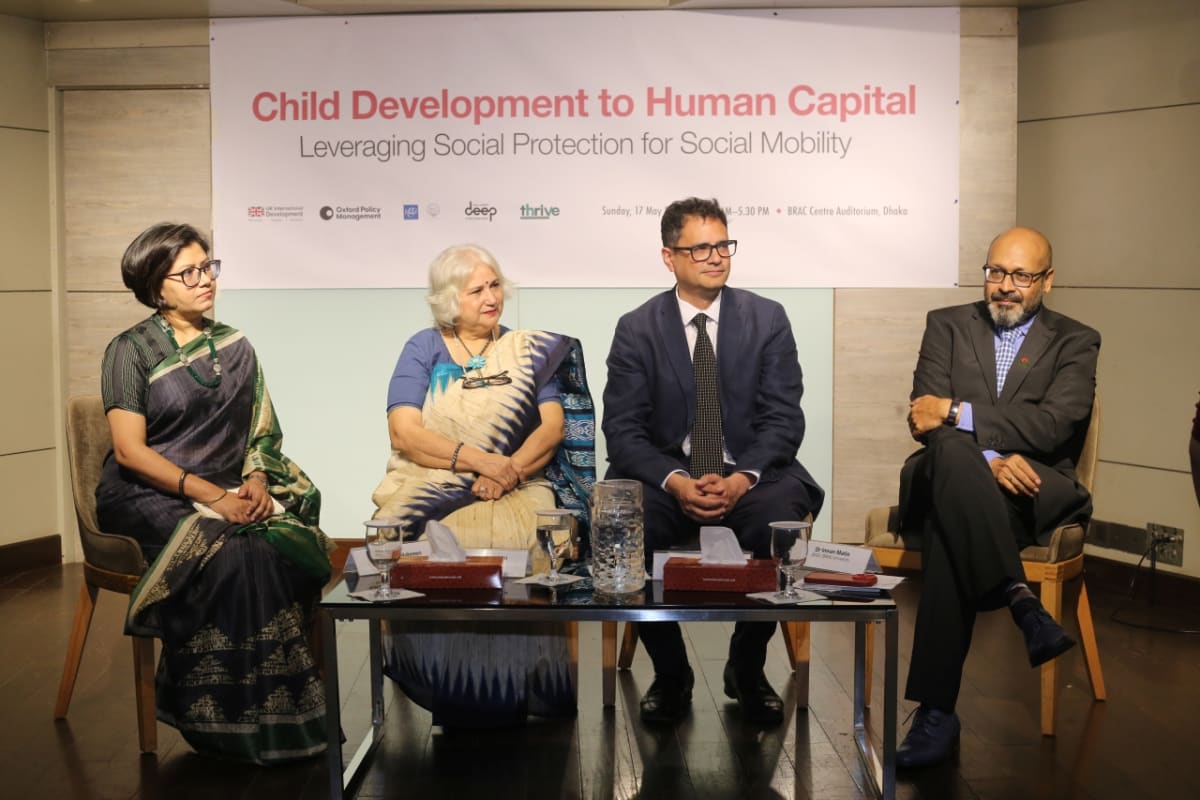
In Dhaka this month, the government joined forces with researchers and development organizations to tackle a powerful idea: investing in children today creates opportunities for generations to come. The workshop brought together evidence showing how early childhood support, from nutrition to pre-primary education, builds human capital that transforms lives.
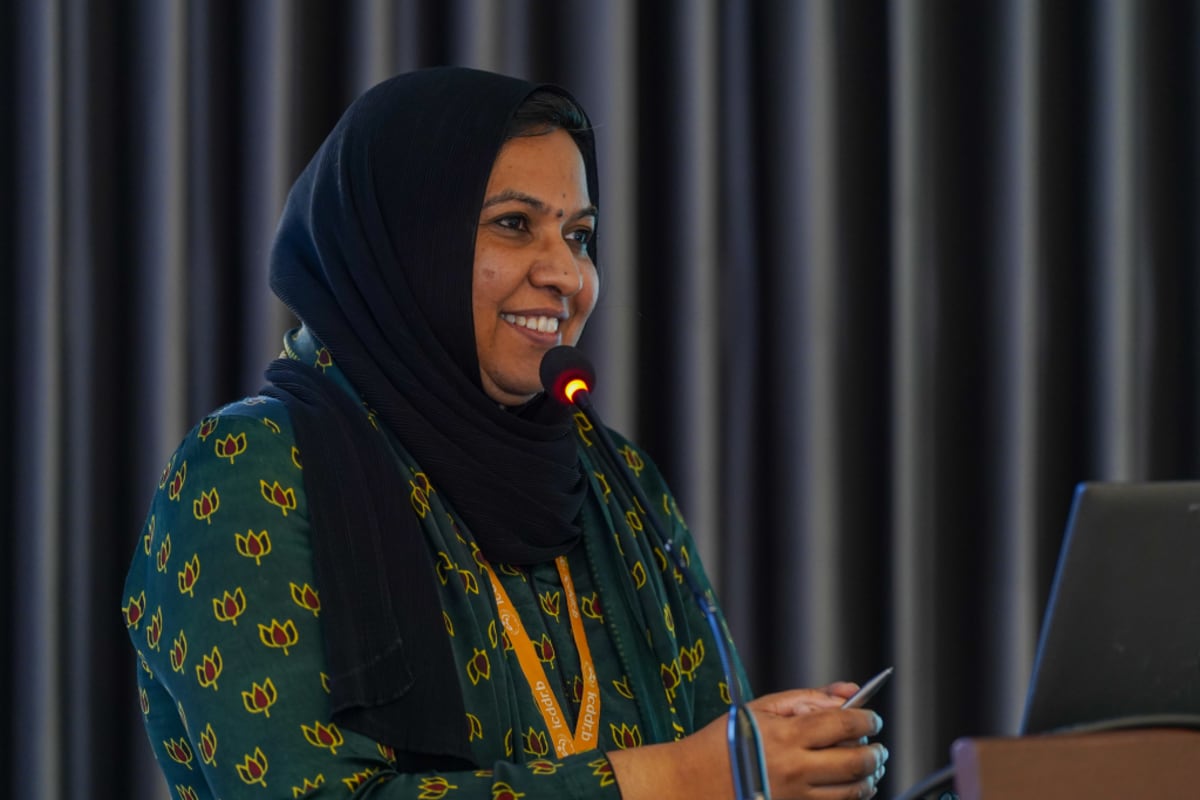
Dr. Jena Hamadani, who leads research on Bangladesh's early childhood programs, shared compelling findings. "Early childhood development can create a socially mobile population while improving the lives of individuals, and provides an incredible return on investment when compared with later interventions," she explained.
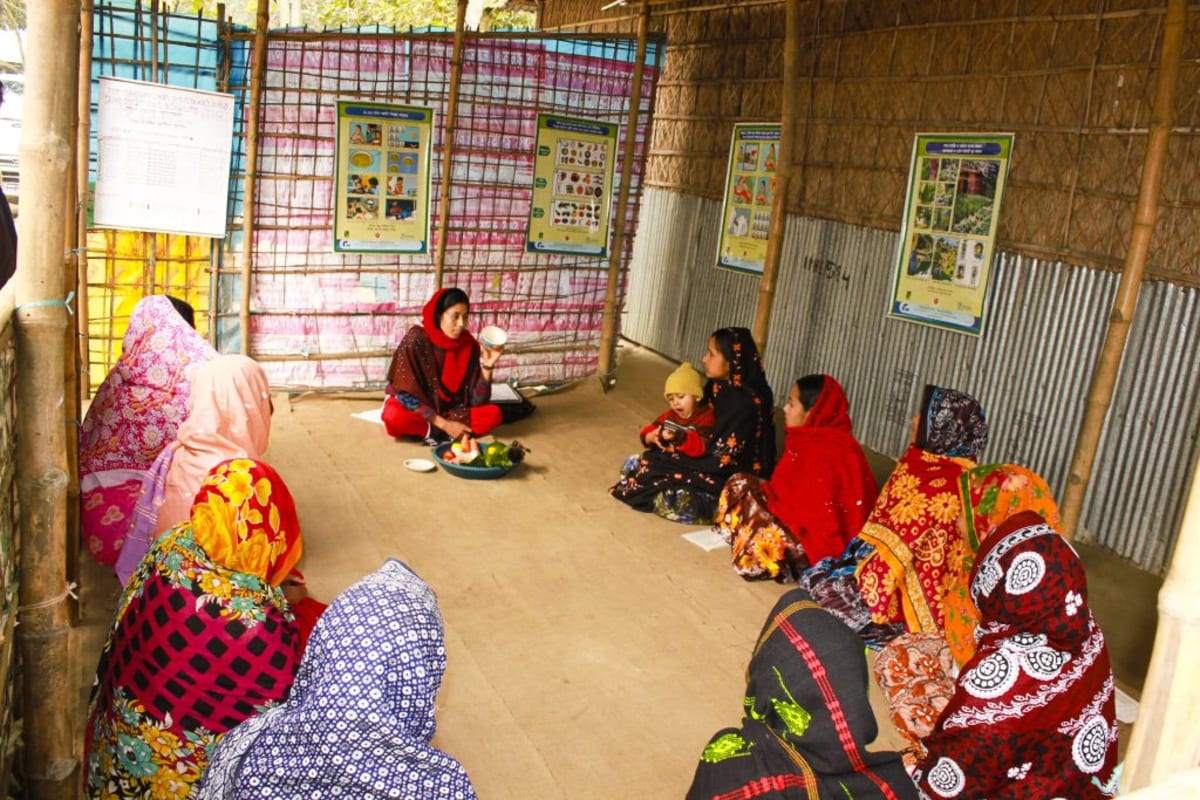
The gathering showcased real programs already making a difference. One initiative, called Saving Bangladeshi Babies' Brains, works directly with the Government of Bangladesh to deliver early childhood development policies at scale across the country.
Researchers presented evidence on integrating parenting support with cash transfers, showing how combined approaches work better than single solutions. They examined productive safety nets that benefit not just one generation but their children and grandchildren too.
Dr. Mohammad Abu Yusuf from Bangladesh's Ministry of Social Welfare acknowledged the tough choices government faces. "Investments prioritizing our children are a forward-looking investment in our collective future," he said. "That is an investment worth making."
The Ripple Effect
The impact of these programs extends far beyond individual families. When children receive proper nutrition, health care, and early learning opportunities, they grow into adults equipped to seize economic opportunities and contribute to a productive workforce.
Professor Andy McKay from the University of Sussex explored how social mobility works across generations. His research shows that what happens in early childhood affects not just how far someone can rise in their own lifetime, but the starting point their children will have.
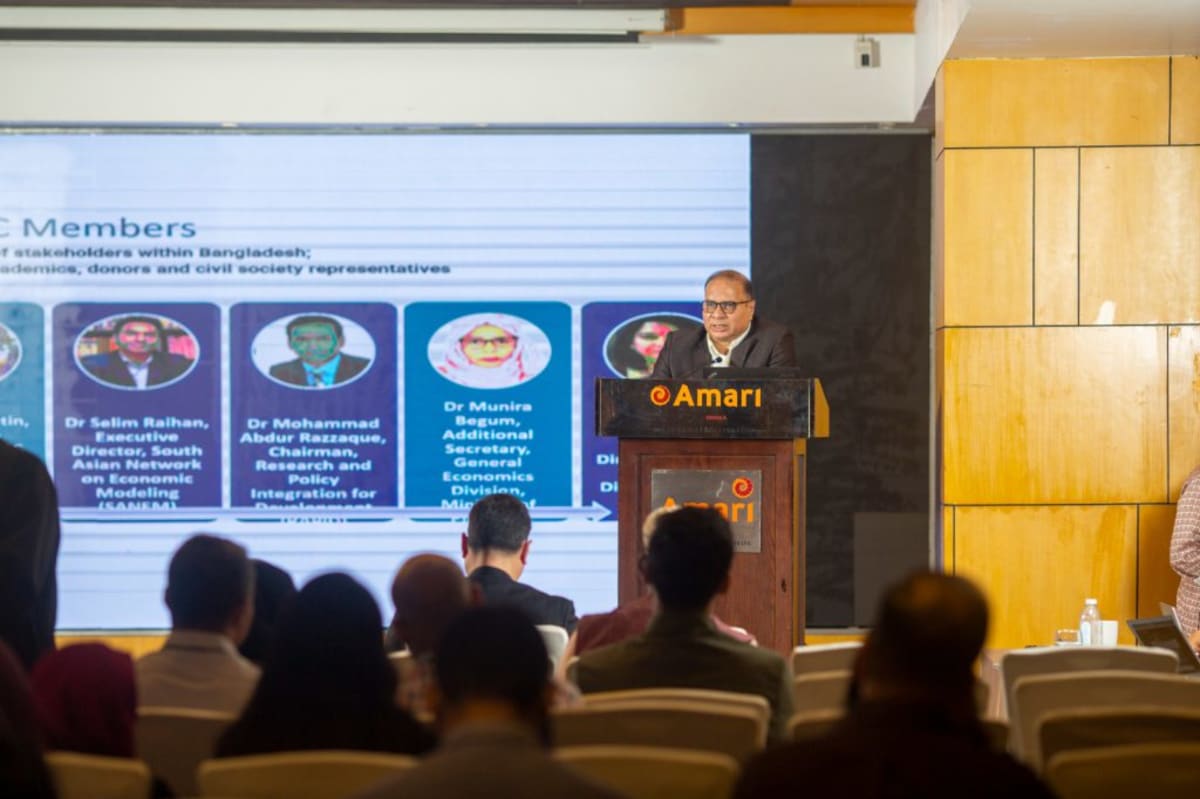
The workshop also tackled practical challenges. Dr. Abdur Razzaque noted that while Bangladesh's social protection programs need improvements, dedicating three percent of GDP could fund comprehensive family support and lifecycle programs.
Bangladesh's Statistics and Informatics Division signaled openness to collaboration by participating as a panelist. Officials emphasized making government data more accessible to researchers, recognizing it as a public good that can drive better policy decisions.
Dr. Imran Matin from BRAC Institute of Governance and Development called for putting people back at the center of implementation. He urged addressing fragmentation in social services by empowering local governments to coordinate support for families.
The gathering marks a shift toward evidence-based policy that prioritizes prevention over intervention. By supporting families when children are youngest, Bangladesh is investing in breaking cycles that have trapped generations in poverty.
More Images
Based on reporting by Google News - Poverty Reduction
This story was written by BrightWire based on verified news reports.
Spread the positivity!
Share this good news with someone who needs it


%2Ffile%2Fattachments%2Forphans%2FWA_17857680475281_838328.jpg)