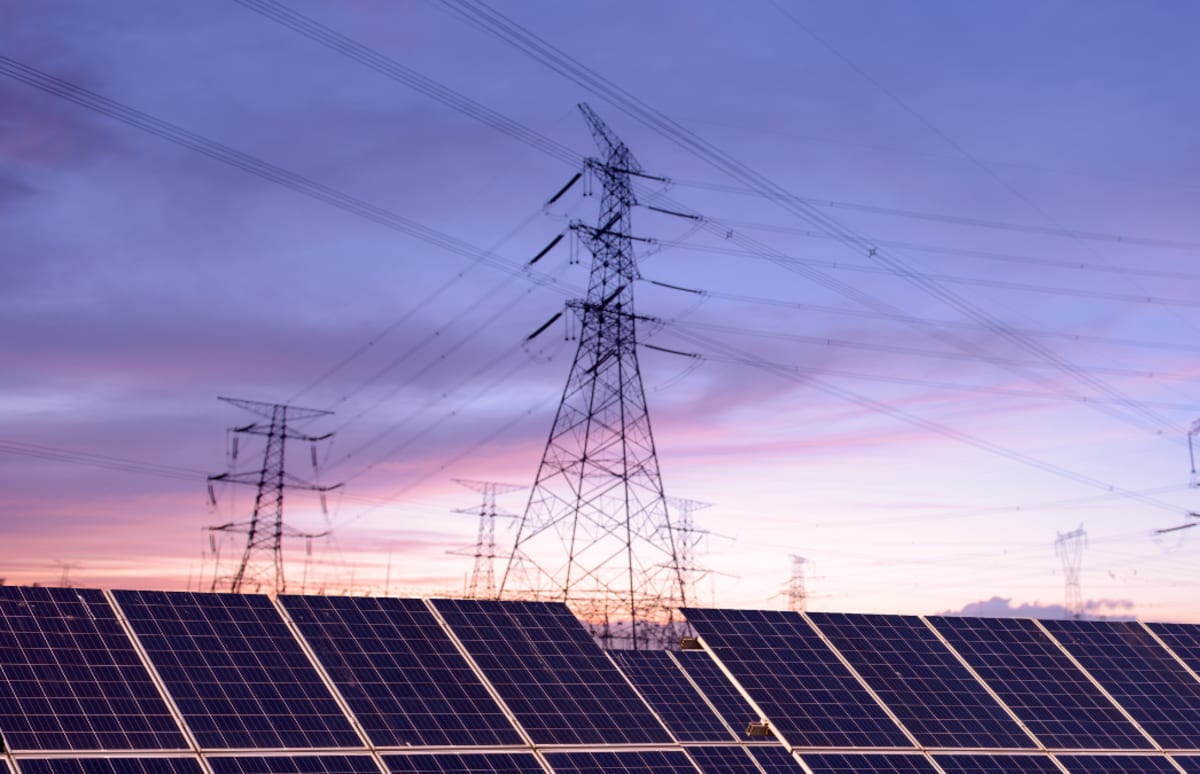
Bangladesh Launches 77.6 MW Solar Project Across 3 Sites
Bangladesh just issued tenders for three new solar power plants that will bring clean energy to 77.6 megawatts worth of homes and businesses. The ambitious projects mark a major step toward the country's goal of reducing fossil fuel dependence and building 10 gigawatts of solar power by 2030.
Bangladesh is betting big on sunshine, and three new solar power plants are about to light the way forward.
The Bangladesh Power Development Board announced tenders for solar installations in Chittagong, Rangamati, and Dinajpur districts, combining for 77.6 megawatts of clean energy capacity. The largest plant will generate 50 megawatts in Chittagong's Rangunia area, while a 20 megawatt facility will rise on the site of an existing coal power plant in Dinajpur, and a 7.6 megawatt system will join the Karnafuli Hydropower Station in Rangamati.
The projects signal something bigger than numbers. By building solar panels directly on coal plant land, Bangladesh is literally transforming its energy landscape from fossil fuels to renewables.
International developers can now bid to design, build, and launch all three grid connected systems on a turnkey basis. The government plans to fund the work through the Power Sector Development Fund, with completion timelines of one year for the smaller plants and 18 months for the Chittagong facility.
Afroza Sultana, secretary of the Power Development Board, confirmed that selected companies will handle everything from engineering to final testing. The approach streamlines what could otherwise take years of separate contracts and delays.
The Ripple Effect
This tender represents more than infrastructure. It's part of Bangladesh's Renewable Energy Policy 2025, which targets 10 gigawatts of solar capacity by 2030.
The country currently runs on about 1.44 gigawatts of solar power out of 1.73 gigawatts total renewable capacity. These three projects alone would add over 5% to that existing solar base.
Mostafa Al Mahmud, president of the Bangladesh Sustainable and Renewable Energy Association, celebrated the announcement as crucial for reducing expensive fossil fuel dependence. He noted that lowering tax burdens and providing incentives for solar could help ease the country's ongoing energy crisis while making electricity more affordable for everyday people.
Each megawatt of solar replaces diesel and coal generation that burns money and worsens air quality. Multiplied across Bangladesh's growing renewable portfolio, these shifts add up to cleaner air, stable energy prices, and thousands of construction jobs.
The Sustainable and Renewable Energy Development Authority is now preparing a national roadmap to guide the transition, ensuring today's projects connect to tomorrow's bigger vision.
Bangladesh is proving that developing nations can leapfrog dirty energy and build their futures on sunshine.
More Images

Based on reporting by PV Magazine
This story was written by BrightWire based on verified news reports.
Spread the positivity!
Share this good news with someone who needs it