Bangladesh Opens Solar-Powered Shelter for Heat and Storms
In a region where temperatures hit 111°F and cyclones strike regularly, Bangladesh just opened its first year-round climate shelter that runs entirely on solar power. The "adaptation fortress" protects 200 people from extreme heat and 500 from storms, transforming how vulnerable communities prepare for climate disasters.
When the temperature reaches 111 degrees in southwestern Bangladesh, hiding under a tree no longer keeps you safe.
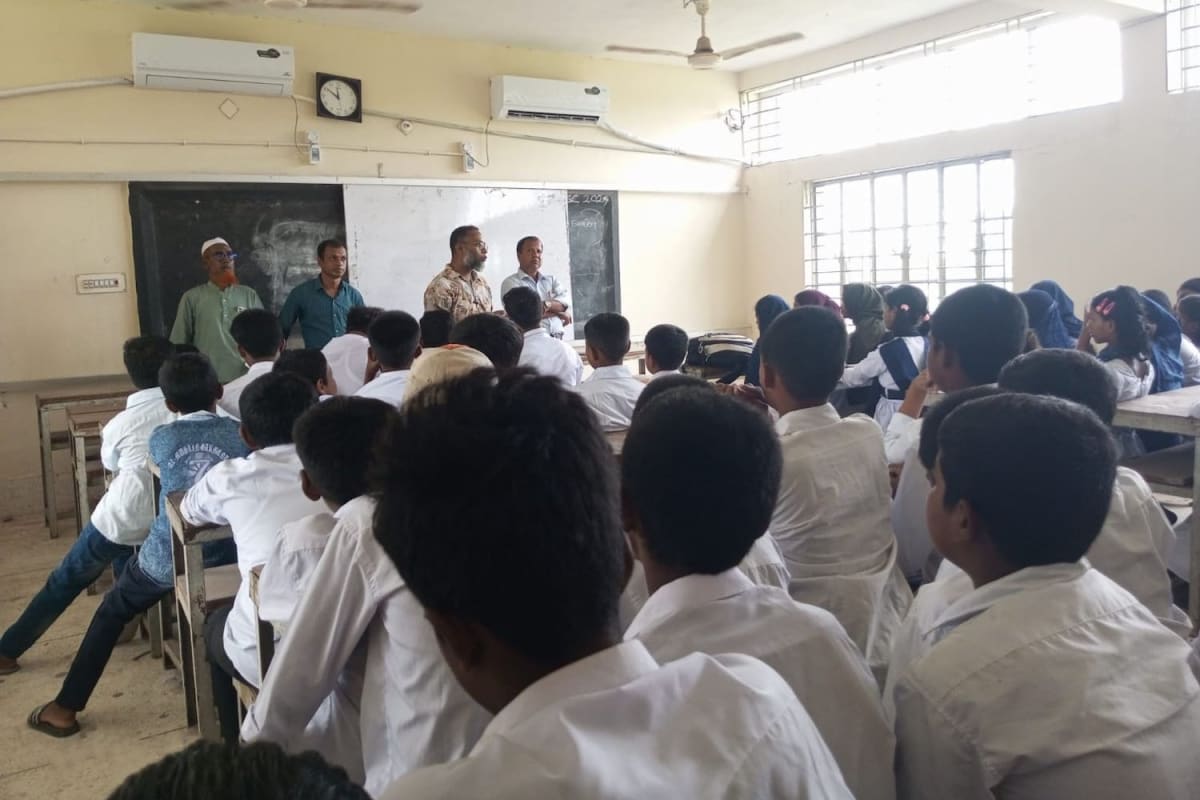
That's why 30 million people in the region now have access to something they've never had before: a solar-powered fortress built to protect them from both deadly heat waves and tropical cyclones. The first-of-its-kind shelter just opened at the Baradal Aftab Uddin Collegiate School in Satkhira district, where extreme weather threatens lives year-round.
The building works as a school by day and transforms into a climate refuge when disaster strikes. During government-declared heat emergencies, four air-conditioned rooms can host 200 people with clean drinking water. When cyclones approach, the facility expands to shelter 500 people in additional rooms.
The project comes from MIT's Jameel Observatory Climate Resilience Early Warning System Network, which launched in 2022 to turn climate predictions into real protection for vulnerable communities. Leading the effort is Elfatih Eltahir, a hydrology and climate professor at MIT, working alongside researchers from MIT Lincoln Laboratory and BRAC International, a Bangladesh-founded nonprofit.
The fortress was designed to survive whatever climate throws at it. Rooftop solar panels power the entire building, with battery backup that keeps everything running when the grid fails. Windows made of glass encased in iron protect against breakage while sealing in cool air during heat waves.
The building even pays for its own maintenance. During quiet periods, surplus electricity flows back to the national grid, creating steady income that covers long-term upkeep. The facility also harvests rainwater to combat the severe salt contamination that makes local groundwater unsafe to drink.
Who gets in first matters too. The priority access list focuses on people most vulnerable to extreme heat: elderly residents, people with asthma and respiratory conditions, pregnant women, mothers with infants, and students from the school.
The Ripple Effect
This shelter represents a fundamental shift from reacting to disasters to preparing for them. For decades, MIT researchers have been developing climate models that predict increasingly intense heat waves across southwestern Bangladesh. Now those predictions are shaping real structures that save lives.
The fortress runs on community power in more ways than one. A local school committee manages daily operations and emergency protocols alongside BRAC, with a formal agreement ensuring the shelter keeps serving residents for years to come.
What started as climate science is now concrete walls, solar panels, and air conditioning ready to welcome people when the next heat wave or cyclone arrives.
Based on reporting by MIT News
This story was written by BrightWire based on verified news reports.
Spread the positivity!
Share this good news with someone who needs it