Bangladesh Rescues Rare Venomous Primate, Boosts Protection
Officials in Bangladesh safely rescued an endangered Bengal slow loris that wandered into a village and returned it to protected forest the same day. The rescue highlights growing conservation efforts to protect the world's only venomous primate from illegal trafficking and habitat loss.
A shy, doe-eyed primate with a venomous secret just got a second chance in Bangladesh, and it's part of a bigger conservation win.
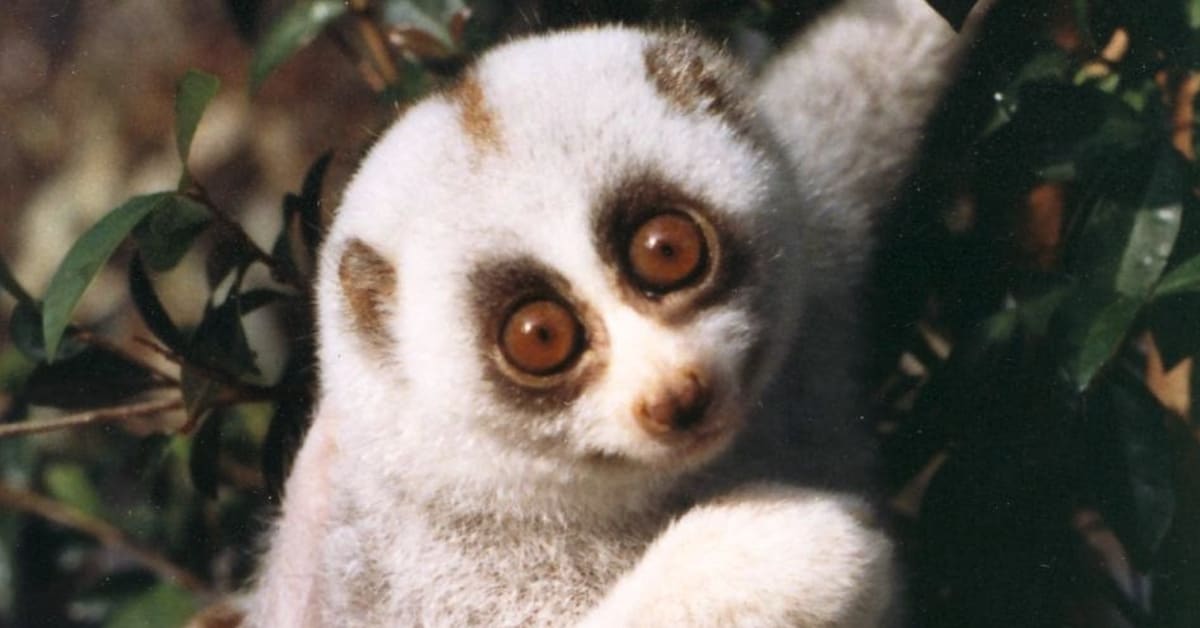
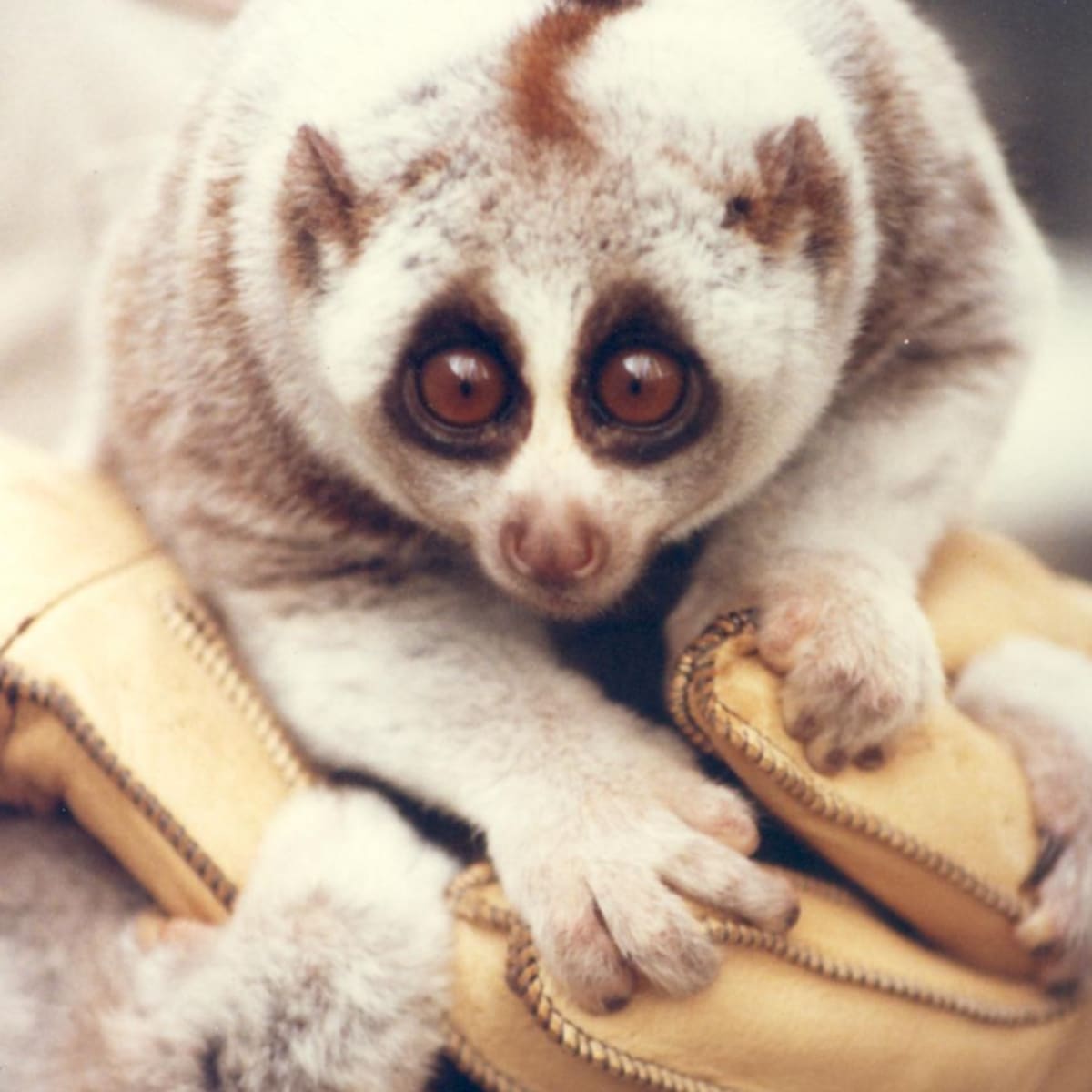
On April 13, wildlife officer Mehedi Hasan rescued an adult male Bengal slow loris that had wandered into Paschim Deorgach village from nearby forest. The endangered primate, locally called Lajjabati Banor or "shy monkey," was safely released into Satchari Reserve Forest the same day without injury.
These tiny primates rarely exceed 15 inches from head to tail, but they pack a surprising defensive weapon. Slow lorises are the world's only venomous primate, delivering toxic bites after licking a sweat gland under their arms. They typically use this venom during territorial disputes with other slow lorises rather than against predators.
The rescue points to a growing problem across Southeast Asia. Human activity has been pushing slow lorises out of their native habitats and into villages, according to Mahmud Hossain, a range officer with the Wildlife Management and Nature Conservation Department. The International Union for Conservation of Nature predicts a 30% population decline over the next three generations due to hunting and habitat loss.
Slow lorises play a vital role in Southeast Asian forests as nocturnal pollinators. As they feast on tree sap, nectar, and insects, they spread seeds and pollen through forest canopies. Their disappearance would ripple through entire ecosystems.
The Ripple Effect
Bangladesh is stepping up to protect these remarkable creatures. Recent regulations banned buying, selling, or advertising wildlife on social media, directly targeting illegal pet traders who have decimated slow loris populations. The country also deployed SMART technology in protected areas to track poaching hotspots and gather data.
"The SMART patrolling approach will help us better combat poaching, illegal fishing, and other forest crimes," said Zahir Ahmed, Khulna Division's Conservator of Forests. The technology strengthens frontline staff capacity while building long-term training programs for forest protection.
Experts emphasize that rescue alone isn't enough. Anna Nekaris, who serves as vice chair of the IUCN's Primate Specialist Group, found that reintroducing slow lorises to unsuitable environments or before they develop survival skills can be deadly. Territorial disputes over shrinking habitats make releases particularly risky.
The real solution lies in preventing poaching before it starts. By combining technology, enforcement, and public awareness, Bangladesh is tackling the root cause rather than just treating symptoms.
One rescued slow loris represents hope that comprehensive conservation strategies can turn the tide for endangered species.
More Images

Based on reporting by Google: species saved endangered
This story was written by BrightWire based on verified news reports.
Spread the positivity!
Share this good news with someone who needs it