Bangladesh Students Lead Climate Solutions Through Peace
Thirty students in coastal Bangladesh are tackling local climate challenges with creative solutions and peacebuilding skills. Their workshop shows how youth leadership and cooperation can build resilient communities facing climate threats.
In a coastal town facing rising climate threats, students are learning to turn local challenges into powerful solutions.
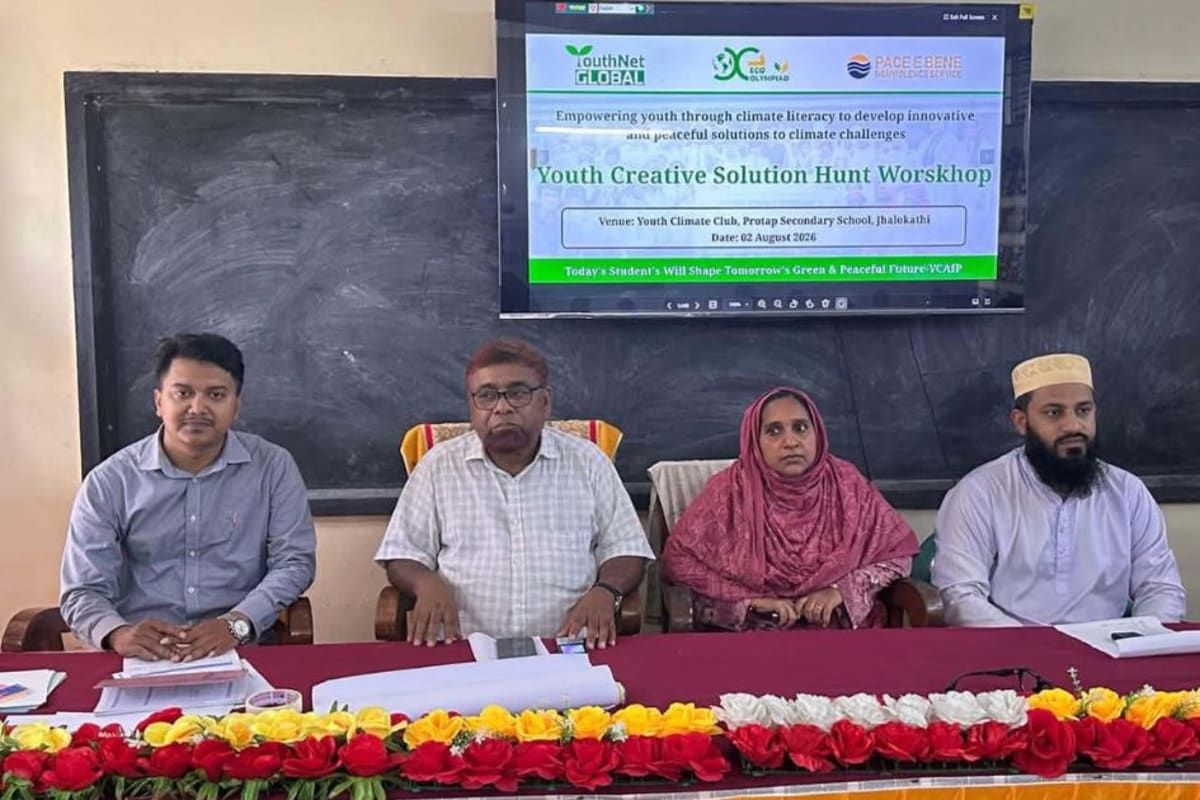
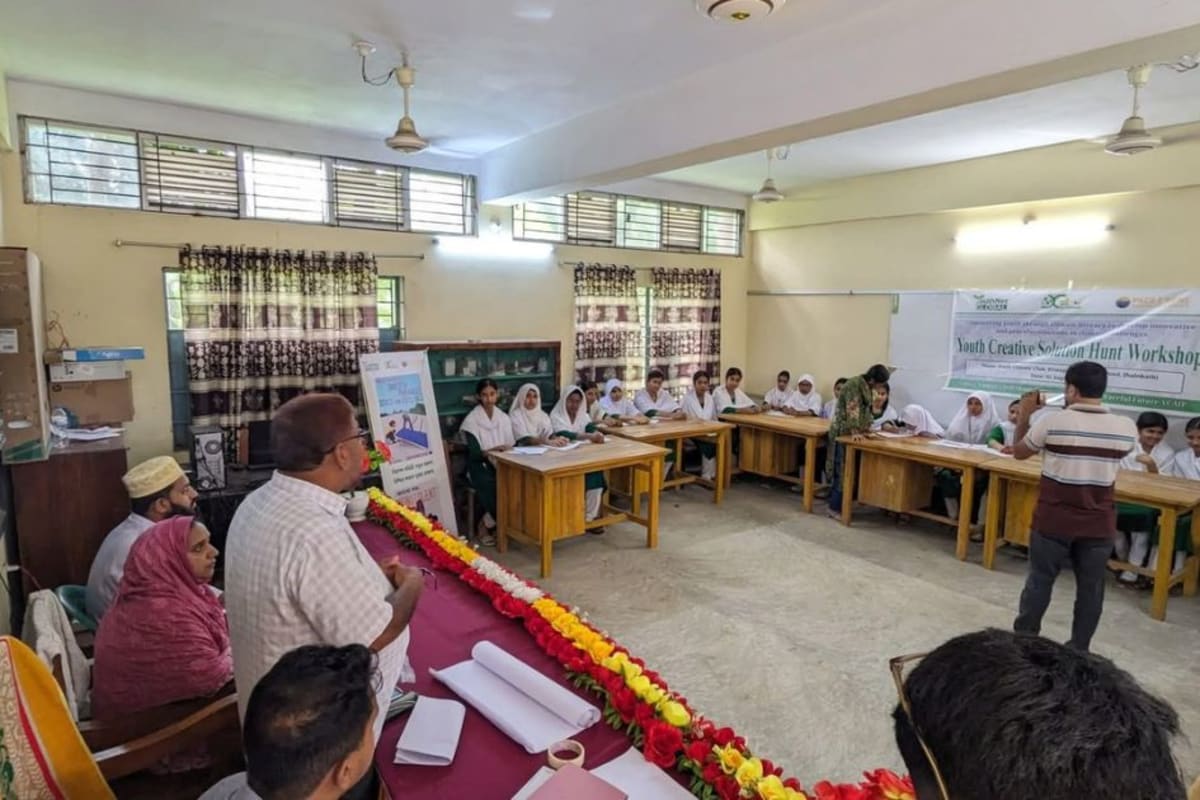
Thirty members of the Youth Climate Club at Pratap Secondary School in Nalchity, Jhalakathi, recently participated in a creative solutions workshop. The students explored how their community can respond to climate risks while building peace and resilience together.
YouthNet Global organized the event with support from Peace e Bene Nonviolence Service, a US organization promoting peace worldwide. The workshop taught students leadership, problem solving, and cooperation skills they can use to address real environmental challenges in their community.
Nalchity and surrounding coastal areas face serious climate threats. River erosion, waterlogging, cyclones, and tidal surges threaten families who depend on rivers, agriculture, and natural resources for their livelihoods. These impacts affect everything from education to health and income.
Students connected their local experiences to global climate justice discussions. They recognized that vulnerable communities face the greatest climate impacts despite contributing the least to greenhouse gas emissions. This understanding helped them see climate action as both an environmental and social justice issue.
The workshop taught an important lesson: technology alone cannot solve climate challenges. Building resilient communities requires social cooperation, solidarity, peaceful dialogue, and inclusive participation.
The Ripple Effect
Student Maria Akter shared how the workshop changed her perspective. "Earlier, I thought climate change was only an issue for adults. Through this workshop, I realized that students can also contribute to environmental protection, peace and positive change through small initiatives," she said.
YouthNet Global General Secretary Arifur Rahman Shuvo emphasized why youth participation matters. "Raising awareness about climate change is not enough. Young people need opportunities to use their creativity, ideas and leadership to identify solutions to local challenges," he explained.
The organization's approach recognizes that climate change can increase social pressures, inequalities, and conflict risks. By promoting peace, nonviolence, tolerance, and cooperation alongside climate action, they prepare students to become effective leaders.
School Head Teacher Md. Mizanur Rahman celebrated the initiative's impact. "Engaging students in climate and environmental activities will help build awareness, leadership, peace values and a sense of responsibility among them," he said.
The Youth Climate Action for Peace initiative will continue developing student climate leaders through ongoing activities. By combining environmental education with peacebuilding skills, the program transforms students from those affected by climate change into agents of sustainable solutions.
More Images



Based on reporting by Google News - Climate Solution
This story was written by BrightWire based on verified news reports.
Spread the positivity!
Share this good news with someone who needs it