Bangladesh to Plant 250 Million Trees in Five Years
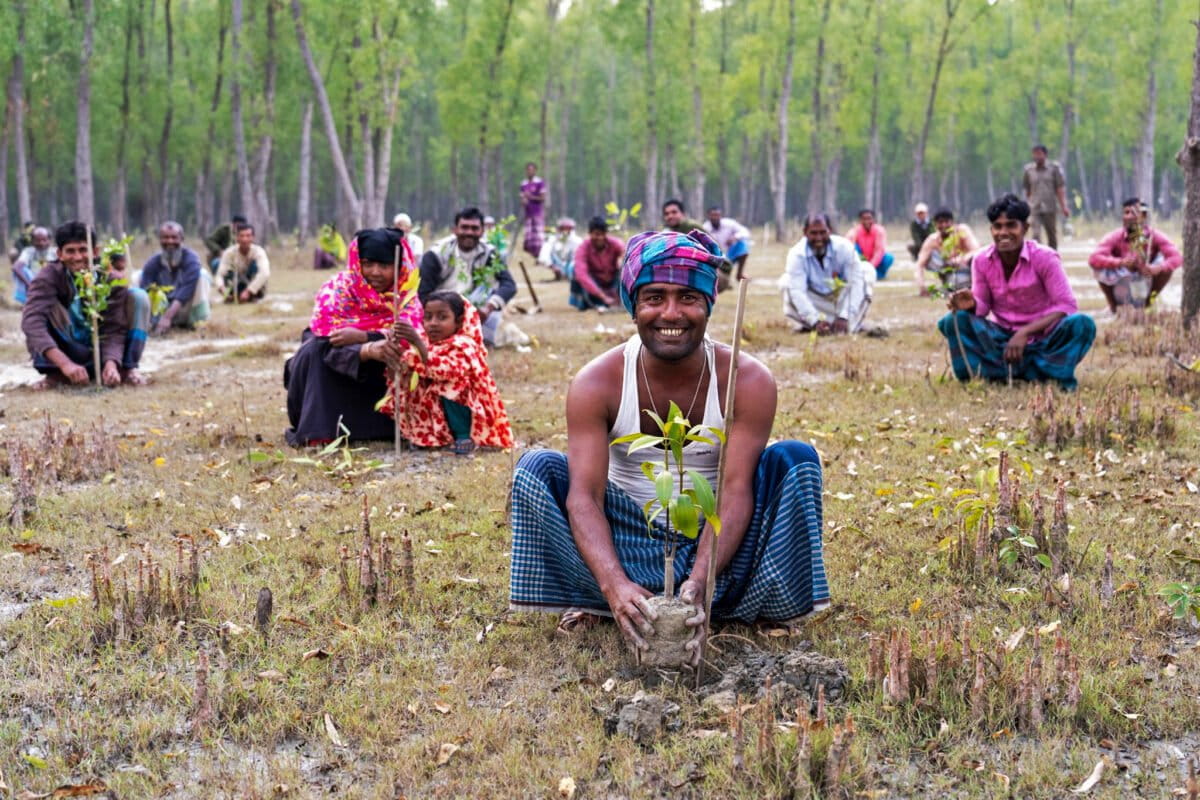
Bangladesh is launching an ambitious plan to plant 250 million trees over the next five years, focusing on coastal mangroves and damaged forests. The effort aims to protect communities from cyclones while restoring ecosystems across the country.
Bangladesh is betting on a quarter billion trees to shield its coastline and bring life back to damaged forests.
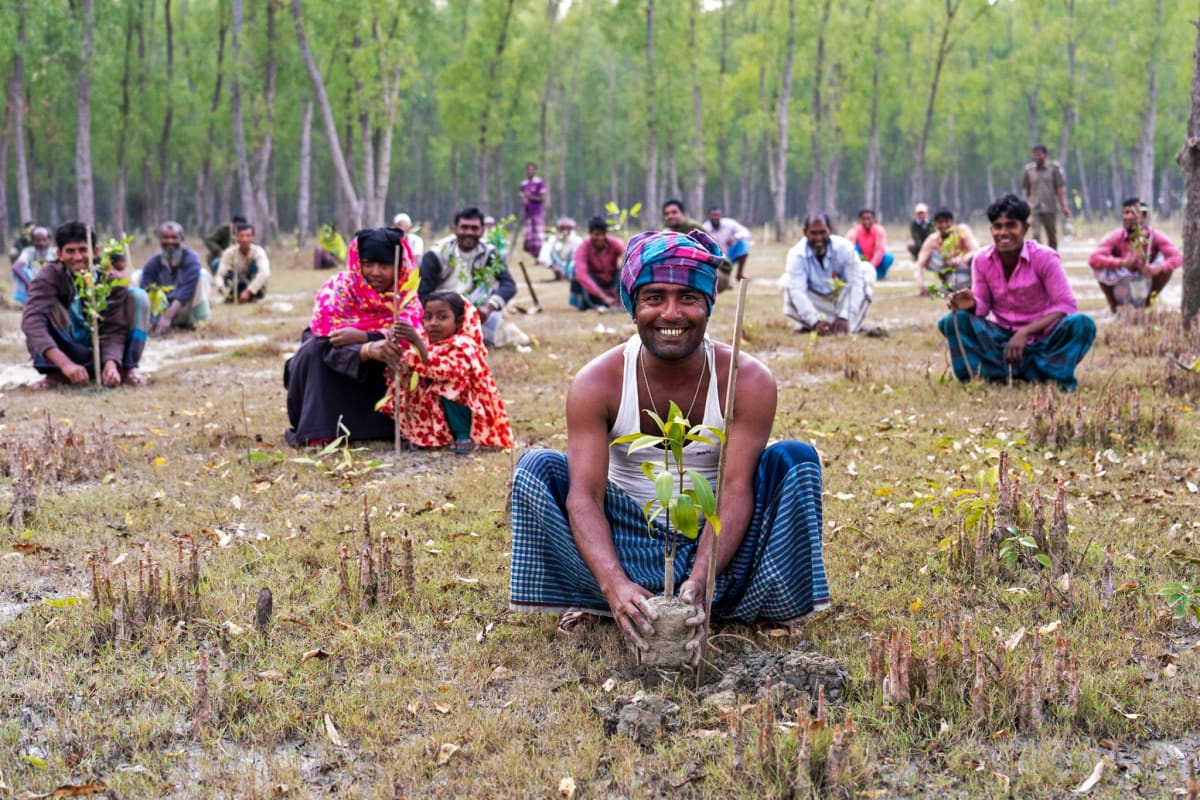
The government's five-year plan targets 250 million new trees across the country, with the biggest push happening in 17 coastal districts. These areas will receive 100 million mangrove saplings designed to reduce erosion and protect communities from cyclones and tidal surges that regularly threaten Bangladesh's low-lying regions.
Another 50 million trees will go into degraded hill forests and central woodland areas that have lost their natural cover. Cities will gain 12.5 million trees, while the remaining plantings will line riverbanks, wetlands, roadsides, and school grounds.
The plan shows careful thought about what grows where. Coastal areas will get keora trees that thrive in saltwater conditions. Hill forests will receive garjan and other native species adapted to local rainfall and soil. Communities that need quicker economic benefits may receive fruit trees instead.
Bangladesh recently banned planting eucalyptus and acacia, two fast-growing imports that drink too much water and crowd out native plants. The shift signals a smarter approach to reforestation.
The real challenge starts after planting day. Government nurseries currently produce just 7.5 million saplings annually, far short of the 50 million needed each year. Private nurseries will fill the gap, but quality varies widely. Weak saplings or trees planted in wrong conditions won't survive their first monsoon season.
The Ripple Effect
Young trees need water, protection from grazing animals, and monitoring during their vulnerable early years. The government is building a public dashboard to track every planting's location, species, condition, and which agency is responsible for its care.
This transparency could transform how reforestation works. Instead of celebrating planting numbers alone, Bangladesh can measure actual survival rates and ecosystem recovery. That data would show whether the country is truly moving toward its 2030 goal of restoring 15% of damaged ecosystems.
Local communities, schools, development groups, and even the army will share the work using their existing budgets. This distributed approach means thousands of people will have direct stakes in keeping their local plantings alive.
If Bangladesh can match its ambition with steady maintenance, those 250 million trees will grow into forests that cool cities, protect coasts, and provide homes for wildlife for generations to come.
More Images

Based on reporting by Mongabay
This story was written by BrightWire based on verified news reports.
Spread the positivity!
Share this good news with someone who needs it