Nestlé Malaysia Cuts Emissions 31%, Beats 2025 Target
A major food company just proved businesses can tackle climate change faster than expected. Nestlé Malaysia slashed its greenhouse gas emissions by nearly a third in just seven years, beating its 2025 goal ahead of schedule.
Nestlé Malaysia has reduced its carbon footprint by 31% since 2018, surpassing its 20% reduction target a full year early and setting an example for corporations across Southeast Asia.
The food and beverage giant achieved the milestone through a combination of smart switches: shifting all its Malaysian factories to 100% renewable electricity, improving how efficiently it makes products, and working with local farmers on regenerative agriculture practices. The company also revamped its packaging to use less virgin plastic and more recycled materials.
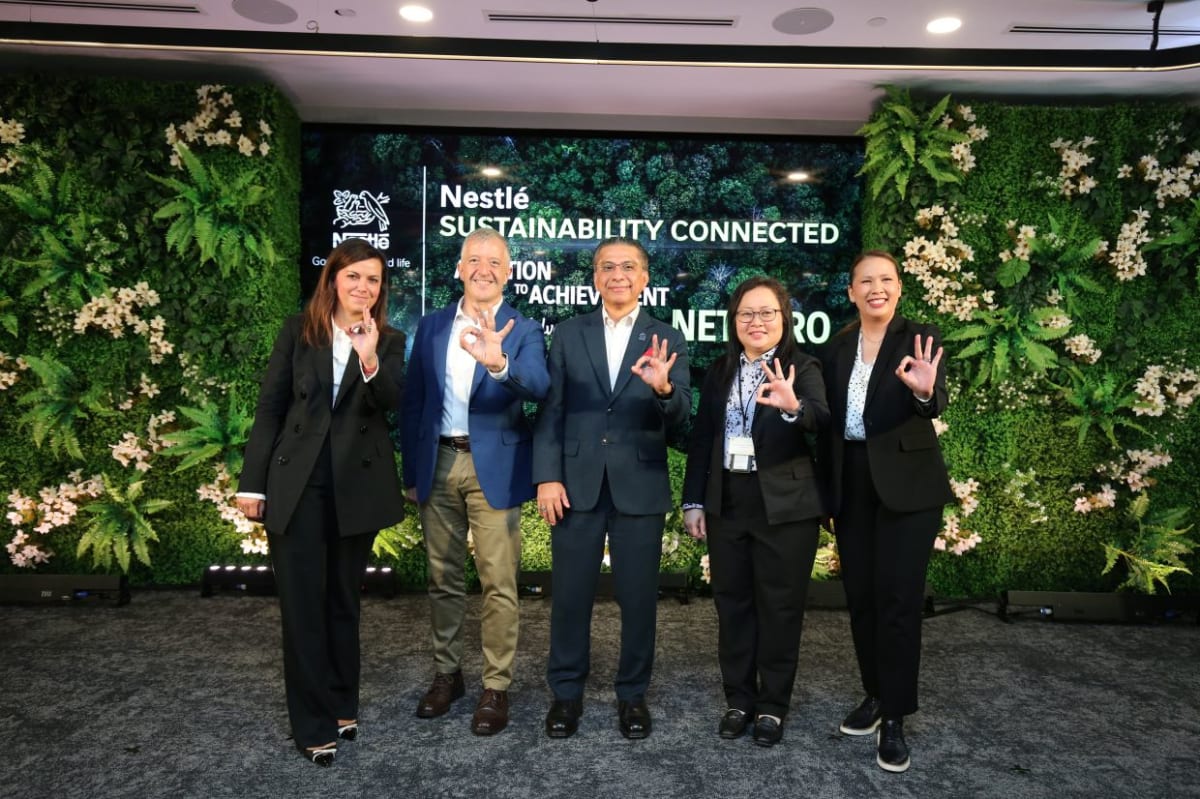
CEO Juan Aranols credits the success to years of teamwork between employees and partners. "While we are proud of this progress, we know there is still much more to do on our journey to Net Zero," he said at the company's recent sustainability event in Kuala Lumpur.
The announcement comes at a pivotal moment for Malaysia, which submitted its climate action plan to the United Nations in October 2025, outlining how the country will reach net zero emissions by 2050. Deputy Minister Syed Ibrahim Syed Noh emphasized that companies like Nestlé show emissions cuts can happen alongside business growth, not despite it.
Beyond cutting carbon, Nestlé Malaysia is tackling plastic waste head-on. Its Project KITAR program has recovered and recycled 50,000 tonnes of materials including 32,000 tonnes of plastics, making it Malaysia's largest Extended Producer Responsibility initiative. The MILO Energy for Good program has reached over 200 schools, teaching kids about recycling while turning used beverage cartons into actual school furniture and sports equipment.
The Ripple Effect
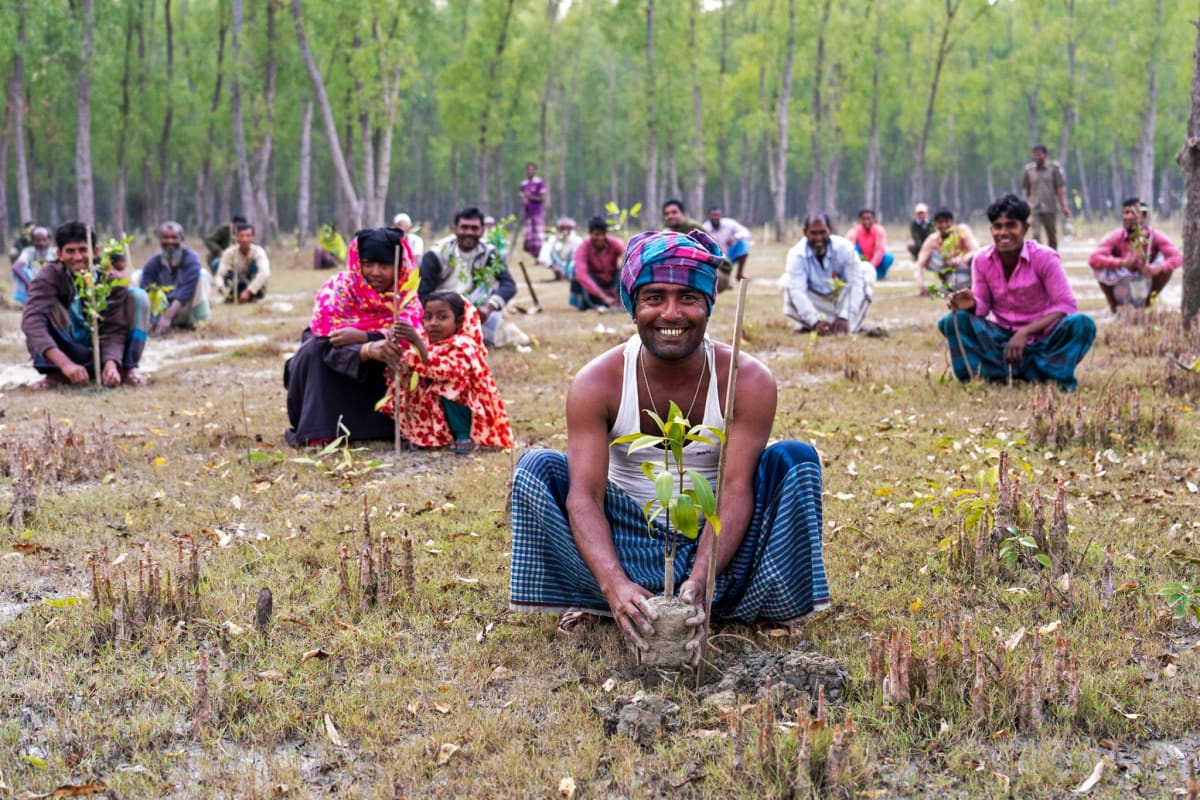
The company's environmental work extends to restoring nature itself. Nestlé Malaysia completed planting three million trees through Project RELeaf and plans to plant three million more by 2030 to boost biodiversity and help ecosystems absorb carbon naturally.
Local farmers are seeing benefits too through regenerative agriculture programs that rebuild soil health while reducing emissions from food production. These partnerships show how supply chains can become part of the climate solution rather than the problem.
Now Nestlé Malaysia is pushing toward an even bigger goal: cutting emissions in half by 2030 before reaching net zero by 2050. If a major corporation can beat its climate targets years early, it raises the bar for what's possible when businesses truly commit to change.
More Images




Based on reporting by Google News - Emissions Reduction
This story was written by BrightWire based on verified news reports.
Spread the positivity!
Share this good news with someone who needs it