Bangladesh Turns Banana Waste Into $94M Industry
Bangladeshi farmers are transforming discarded banana stems into fiber that sells for twice the price of jute, creating jobs and income for over 1,000 women while building a potential $94 million export industry from agricultural waste.
What if the plant parts farmers throw away could be worth more than their main crop? In Bangladesh, discarded banana stems are becoming a booming business that's putting money in pockets and hope in communities.
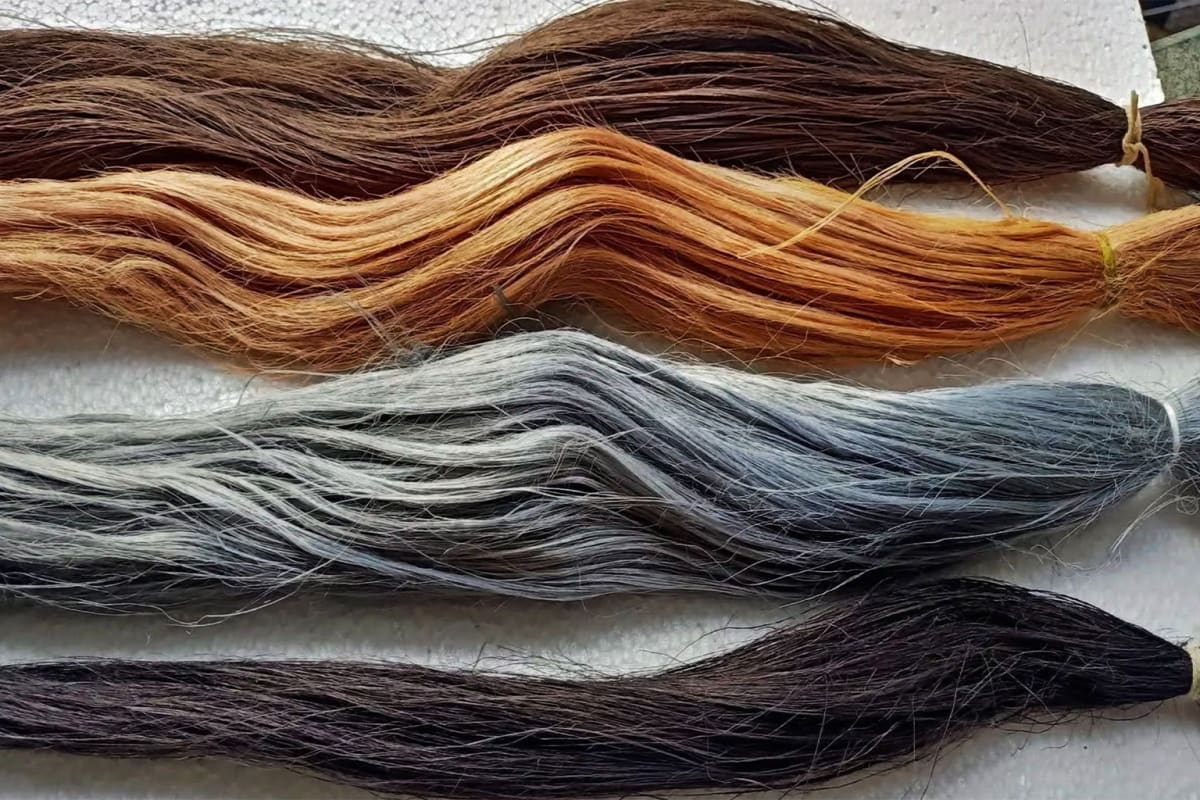
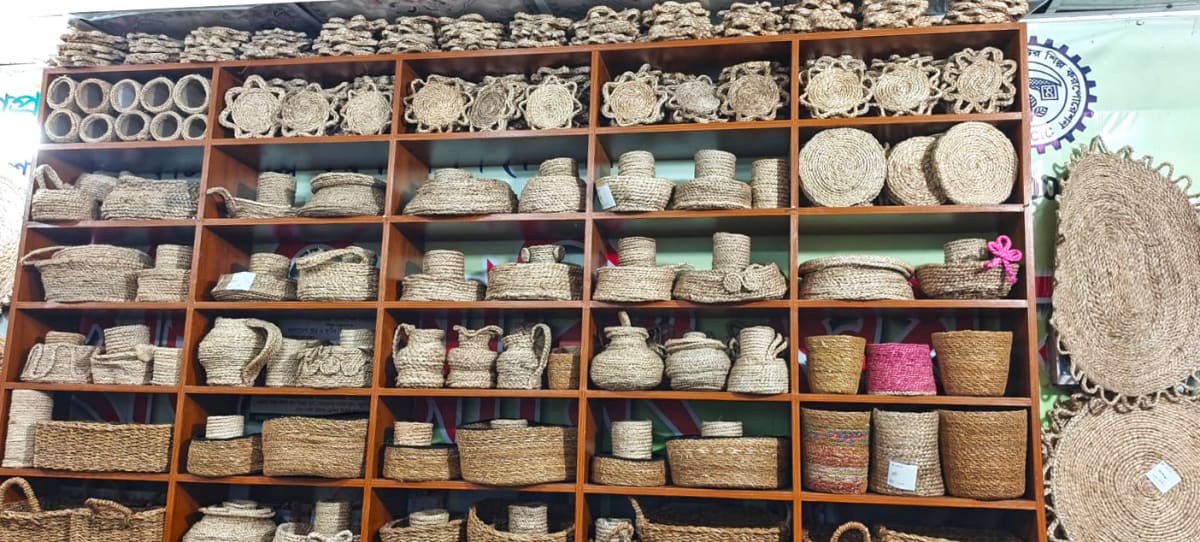
Bananas make up 20% of all fruit crops grown in Bangladesh. After harvest, farmers typically toss the stems as waste. But entrepreneurs across the country have discovered these leftovers contain strong, silky fiber that can be woven into beautiful sarees, bags, curtains, and handicrafts.
The numbers tell an exciting story. Bangladesh currently earns about $1.5 million from banana fiber exports annually. A 2024 study shows the country could scale up to produce 37,800 tons of fiber each year and generate more than $94 million in exports if production expands.
What makes this even better is the economics. Banana fiber sells for more than double the price of jute fiber in local and global markets. Bangladesh is already the world's second-largest jute producer, so they know how to work with natural fibers.
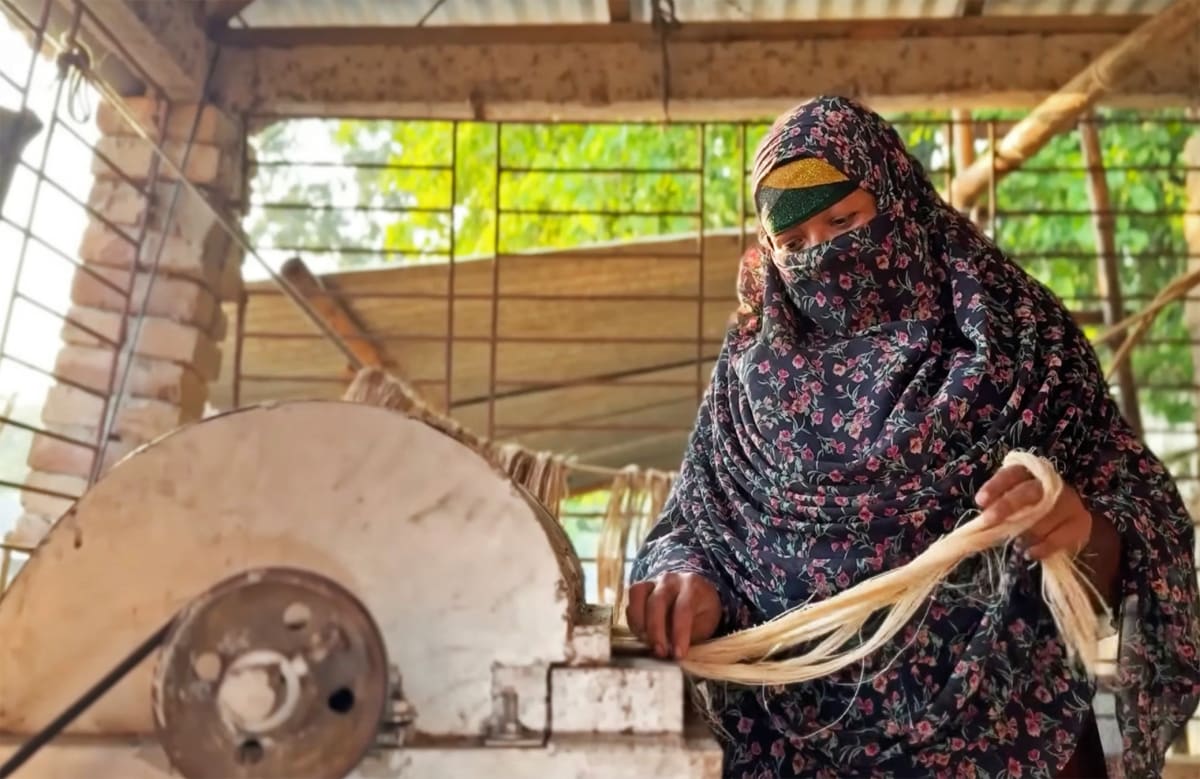
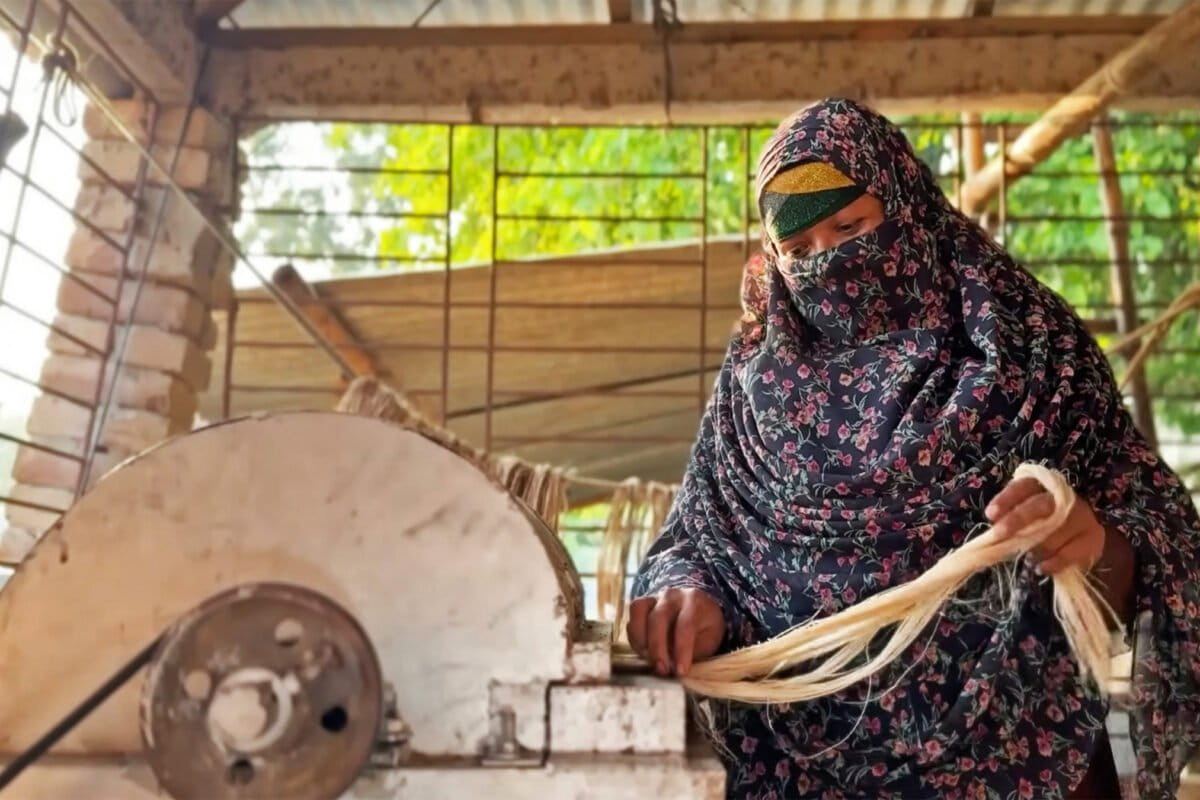
Parveen Akhter from Narail district collects banana stems from nearby orchards and extracts fiber using a small machine. It costs her about $1.60 to $2.80 to produce one kilogram of fiber. She sells it to exporters for $4 to $5 per kilogram, creating steady income from what used to be trash.
Md Hafijul Islam took the idea even further. He started selling fiber-processing machines in 2021 after watching videos from China and India. "If they can do it, we Bangladeshis can do it too," he told researchers.
Now Hafijul collects banana fiber from 250 entrepreneurs nationwide and exports to China. His factory employs 20 to 25 staff making handicrafts sold at tourist destinations. But here's the part that really shines.
The Ripple Effect
Hafijul supports a network of more than 1,000 local women who braid fiber at home during spare time, earning extra money for their families. He doesn't just sell machines to entrepreneurs. He provides training and offers a 10-year buy-back agreement, guaranteeing they'll always have a buyer for their fiber.
The material itself has advantages beyond price. Studies show banana fiber has higher tensile strength, good flexibility, and silk-like softness in its inner fibers. It's completely biodegradable and uses agricultural waste instead of requiring dedicated farmland like jute does.
Bangladesh generates about 3.78 million tons of banana stem biomass annually, and approximately 1% can be extracted as usable fiber. That's a massive resource sitting in fields, waiting to be transformed into income.
Companies like Banana Fiber BD and Aliza Handicrafts are already exporting to meet growing global demand for sustainable materials. The industry still needs better technology and standardization to produce higher-quality fiber, but the foundation is solid and growing.
From waste stems to woven sarees, Bangladesh is writing a new story about seeing opportunity where others see trash.
More Images

Based on reporting by Mongabay
This story was written by BrightWire based on verified news reports.
Spread the positivity!
Share this good news with someone who needs it