Banker Quits to Plant Millions of Trees in Australian Rainforest
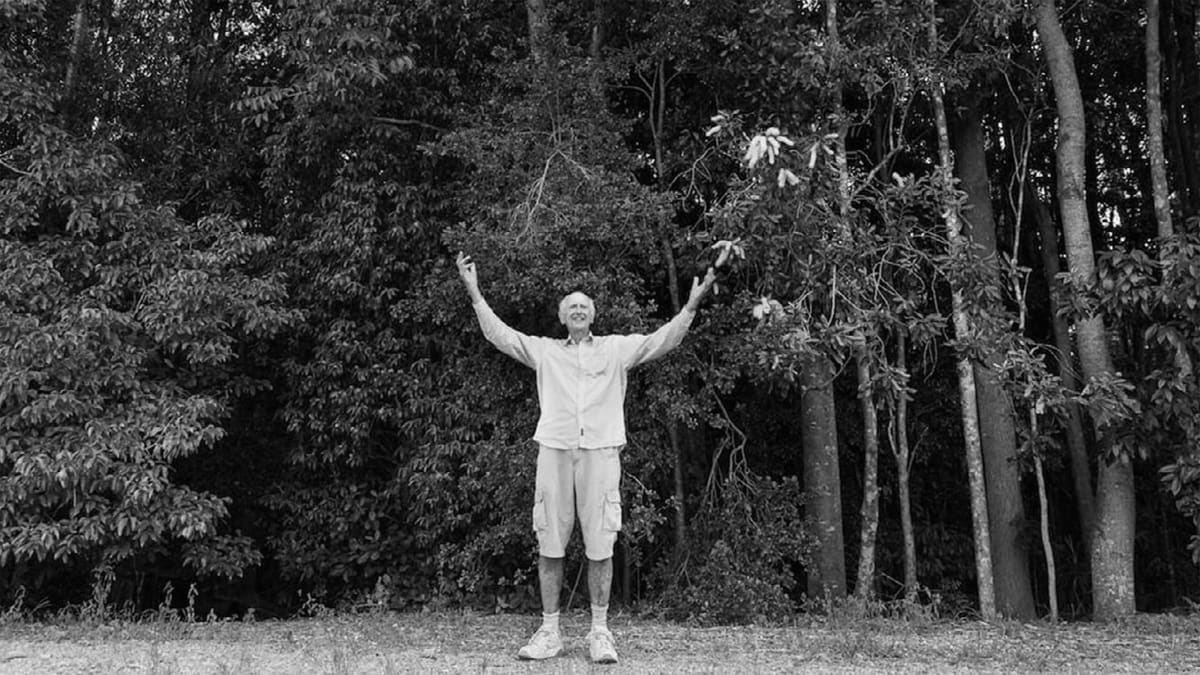
Tony Parkes walked away from investment banking at 56 to spend three decades restoring Australia's nearly extinct Big Scrub rainforest. The once-vast subtropical forest has grown from 1% surviving to millions of trees replanted across the Northern Rivers region.
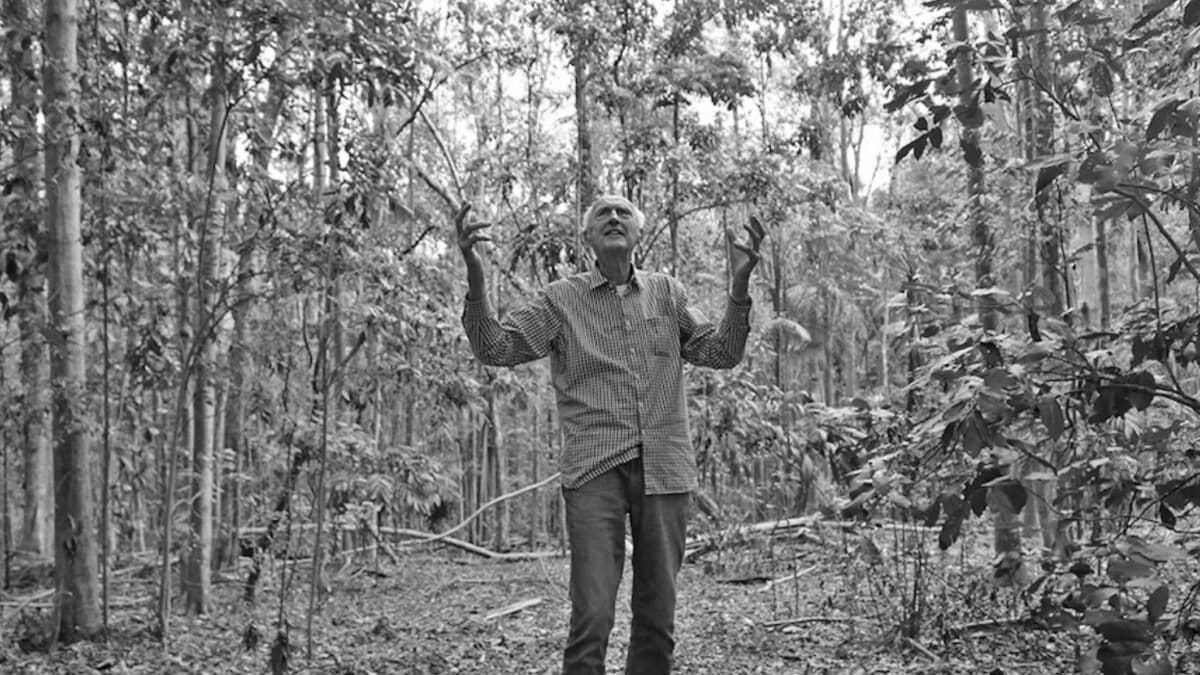
When Tony Parkes retired from a successful banking career in Sydney, he could have chosen golf and garden parties. Instead, he and his wife Rowena bought land in northern New South Wales and started planting a rainforest.
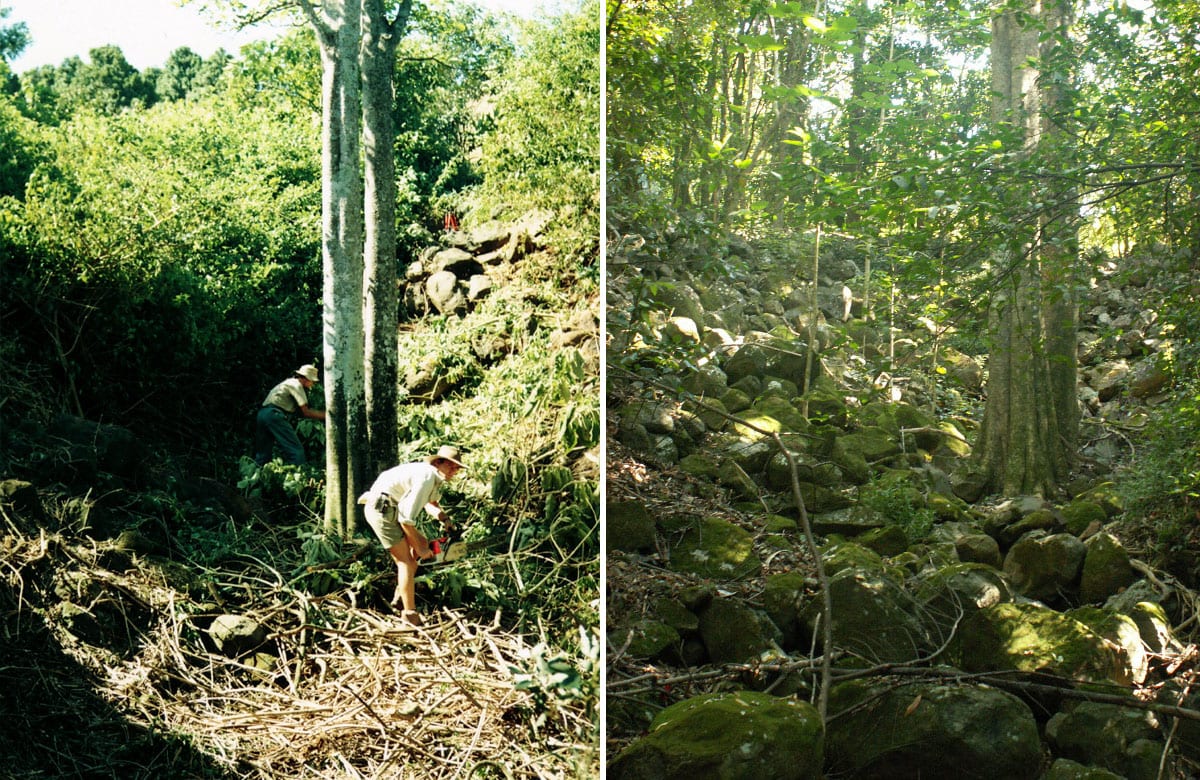
The Big Scrub once covered 75,000 hectares of subtropical paradise filled with figs, palms, vines and fruit doves. By the 1990s, cattle grazing and clearing had destroyed all but 1% of it, leaving only scattered patches on farms and roadsides.
Parkes didn't just plant trees on his own property. In 1993, he co-founded the Big Scrub Rainforest Conservancy and spent the next 30 years building something rare: a conservation movement that actually worked.
He brought his business skills without the corporate jargon. He knew how to raise money, run productive meetings, and turn passionate volunteers into a disciplined team that showed up year after year.
The conservancy didn't just organize weekend planting events. It gave landowners the knowledge and confidence to restore rainforest on their own properties, producing manuals, hosting field days, and creating a massive annual Rainforest Day that made restoration part of the region's identity.
Under his leadership, the organization helped protect dozens of rainforest remnants and supported the planting of millions of trees. He pushed successfully to have lowland subtropical rainforest recognized as critically endangered under federal law, unlocking permanent funding.
His own property became living proof. He and Rowena planted tens of thousands of trees there, and over the years, the canopy closed and birds returned.
The Wompoo Fruit Dove mattered most to him because it was both beautiful and functional, carrying fruit across the landscape. When it came back, it meant the forest's machinery was working again.
The Ripple Effect
Parkes never stopped thinking ahead. In his 90s, he was still pushing the conservancy into new territory: genetics, seed sourcing, and mycorrhizal fungi research to help restored forests withstand climate change, disease and insects.
His approach was refreshingly practical. He spoke about teams, funding and long-term prospects rather than lofty ideals. He understood that planting seedlings meant nothing if the forest couldn't sustain itself for generations.
Where landowners once felt resigned to watching fragments disappear, they now have a proven method. Where a banker seemed like an unlikely environmental hero, the forest found exactly who it needed.
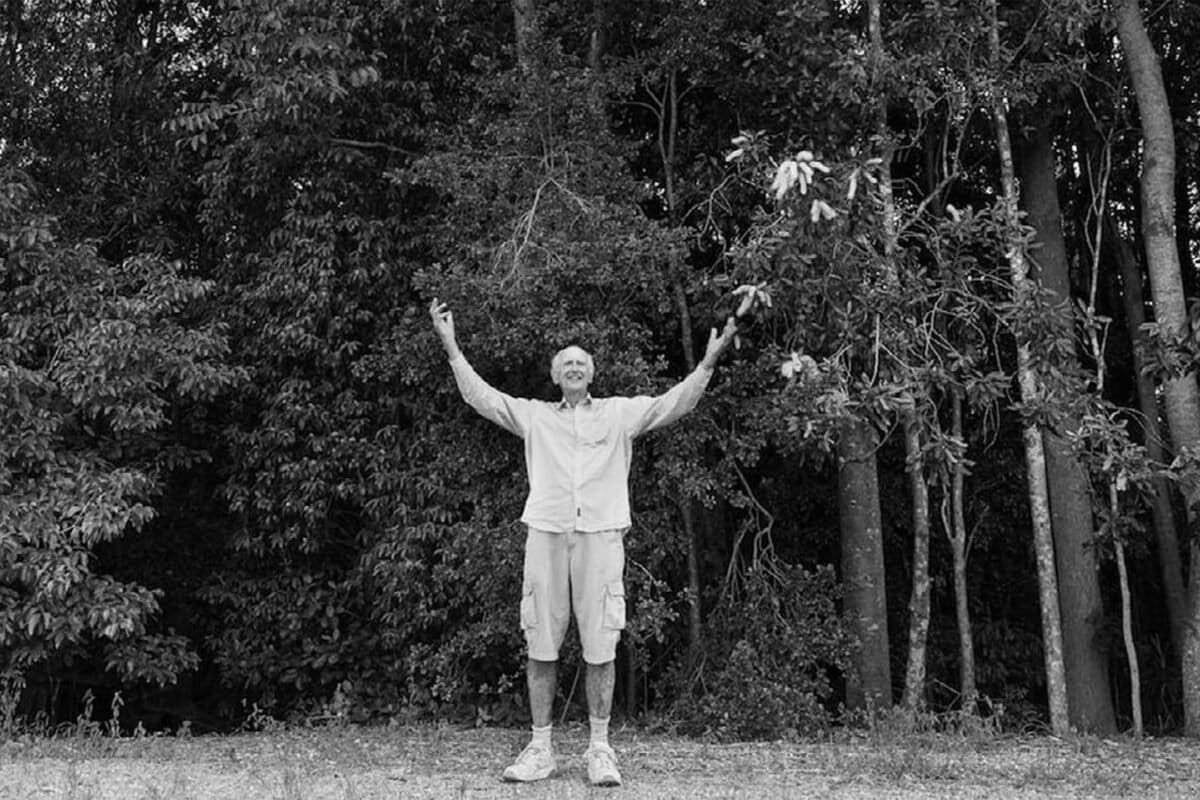
Parkes passed away at 96, leaving behind a landscape visibly transformed by his three decades of patient, persistent work.
More Images
Based on reporting by Mongabay
This story was written by BrightWire based on verified news reports.
Spread the positivity!
Share this good news with someone who needs it