Ireland River Project Cuts Toxic Giant Hogweed by 50%
A conservation team in Northern Ireland is winning the fight against giant hogweed, a toxic plant that causes severe burns and blisters. Their innovative approach near Cookstown has nearly eliminated the invasive species from key areas along the Ballinderry River.
The Ballinderry Rivers Trust is proving that even the UK's "most dangerous plant" can be defeated with persistence and community teamwork.
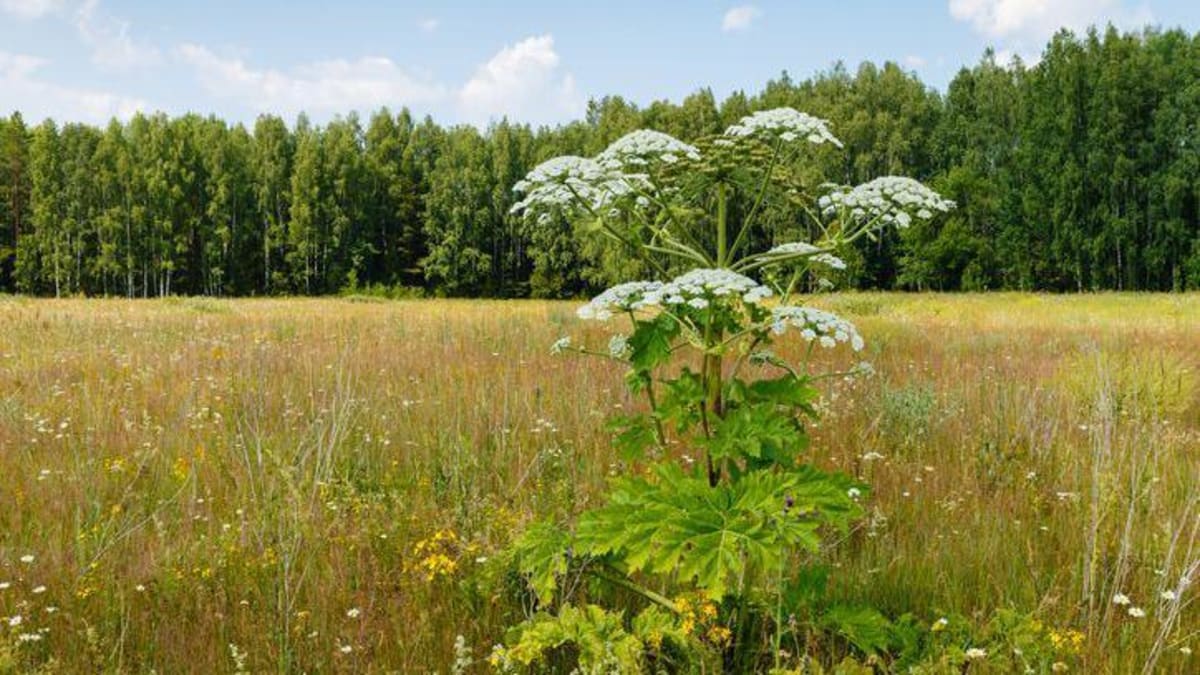
Giant hogweed sounds like something from a horror movie, and its effects are nearly as scary. The invasive plant grows up to 15 feet tall and contains a sap that causes painful blisters, swelling, and scarring when exposed to sunlight. But thanks to focused conservation efforts in County Tyrone, one team is making real headway in protecting people from this botanical menace.
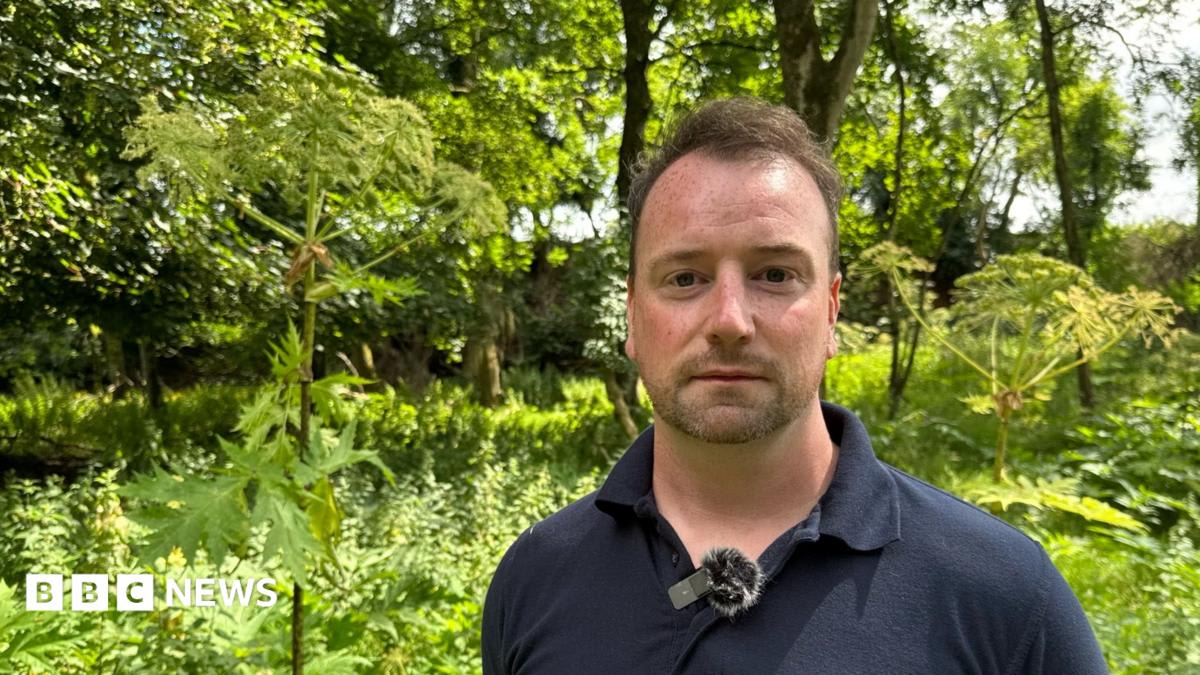
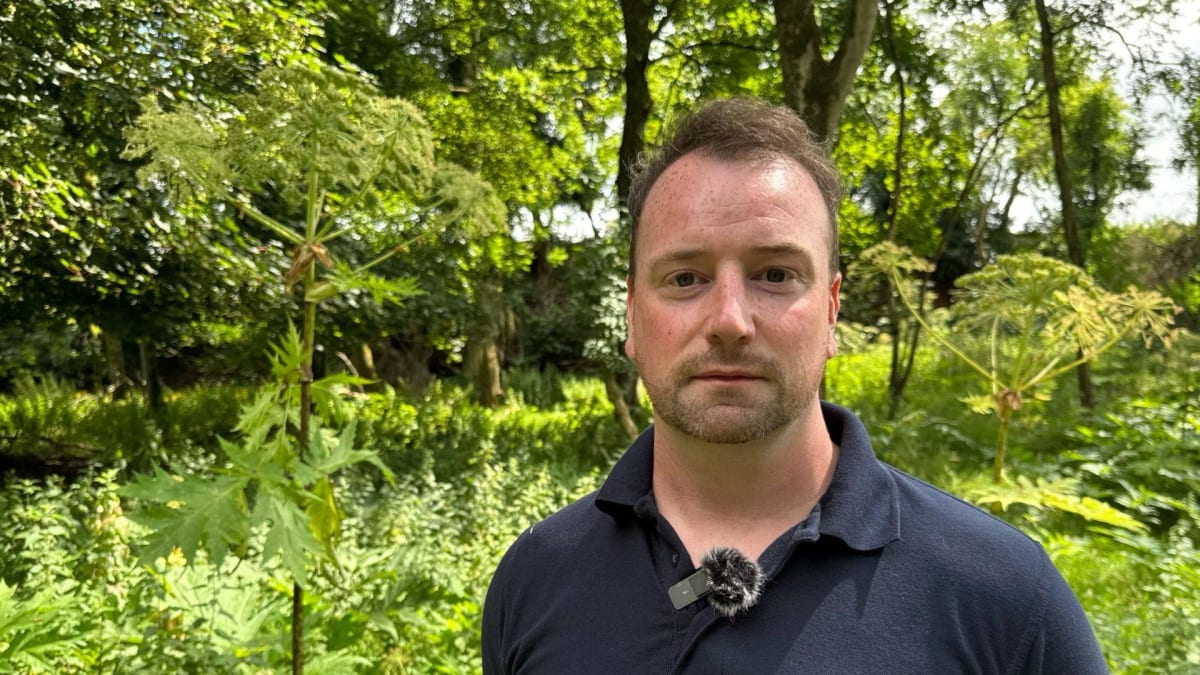
Peter Mitchell and his team at the Ballinderry Rivers Trust have been tackling the problem at its source near Drum Manor Forest Park, just outside Cookstown. By tracing the plant back to two water tributaries, they've managed to reduce its spread to an "absolute minimum" in the area. Working alongside local angling clubs, they've turned awareness into action.
The threat is real and personal for people like Sean Devlin, who has fished the Ballinderry River for over 60 years. As a young man, he accidentally brushed against giant hogweed and experienced large watery blisters up his entire arm. The pain came hours later, intensifying in sunlight, teaching him a lesson he's never forgotten.
Even visitors to Northern Ireland have felt the plant's fury. Long-distance runner Esmée Gummer encountered giant hogweed in Scotland during her 5,000km UK challenge and woke up with her knees "on fire." She ran through 10 days of what she called "indescribable, fiery pain," supported by the kindness of Northern Ireland communities who helped her continue her journey.
The Bright Side
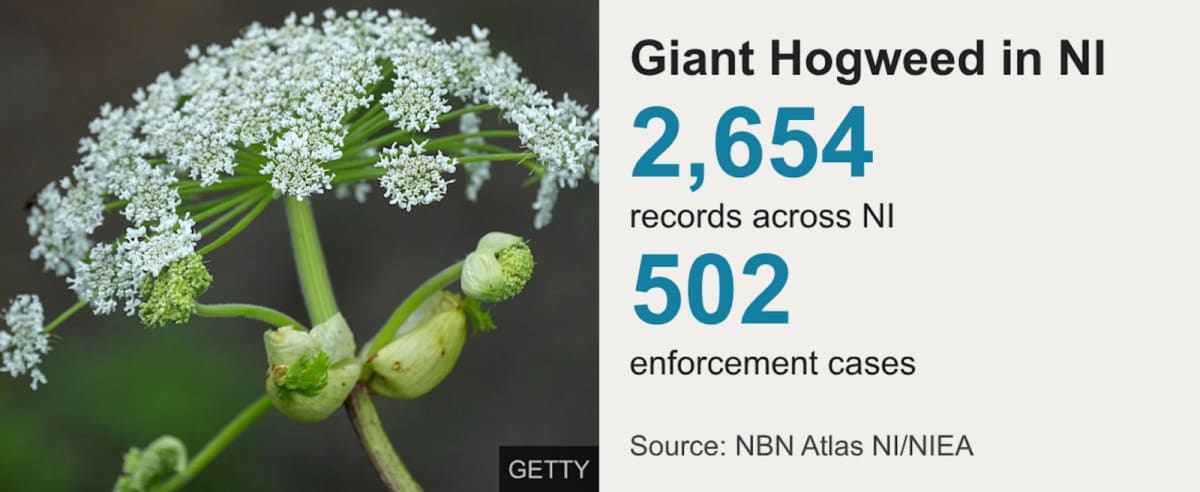
The success story at Drum Manor shows what's possible when conservation groups, local clubs, and landowners work together. While over 2,500 sites across Northern Ireland still have giant hogweed, the Ballinderry project proves these infestations can be managed and controlled. Northern Ireland has set an ambitious target to reduce the plant's distribution by 50% before 2030, and early wins like this one light the path forward.
The Northern Ireland Environment Agency is backing up awareness with action, pursuing over 500 enforcement cases to ensure landowners take responsibility. Anyone who spots giant hogweed can now report it through official monitoring systems and apps like iRecord or iNaturalist, turning everyday citizens into environmental protectors.
One river at a time, one tributary at a time, communities across Northern Ireland are reclaiming their waterways from this toxic invader.
More Images

Based on reporting by BBC Science
This story was written by BrightWire based on verified news reports.
Spread the positivity!
Share this good news with someone who needs it
.jpg)