Barcelona Port Uses Ocean Digital Twin to Restore Marine Life
Spain's Port of Barcelona is deploying underwater drones powered by AI to create a digital twin of its ocean floor, measuring biodiversity and protecting marine ecosystems. The technology could transform how ports worldwide balance commerce with environmental conservation.
The Port of Barcelona is getting a digital twin of its entire ocean floor, complete with AI-powered insights that could help bring dying marine ecosystems back to life.
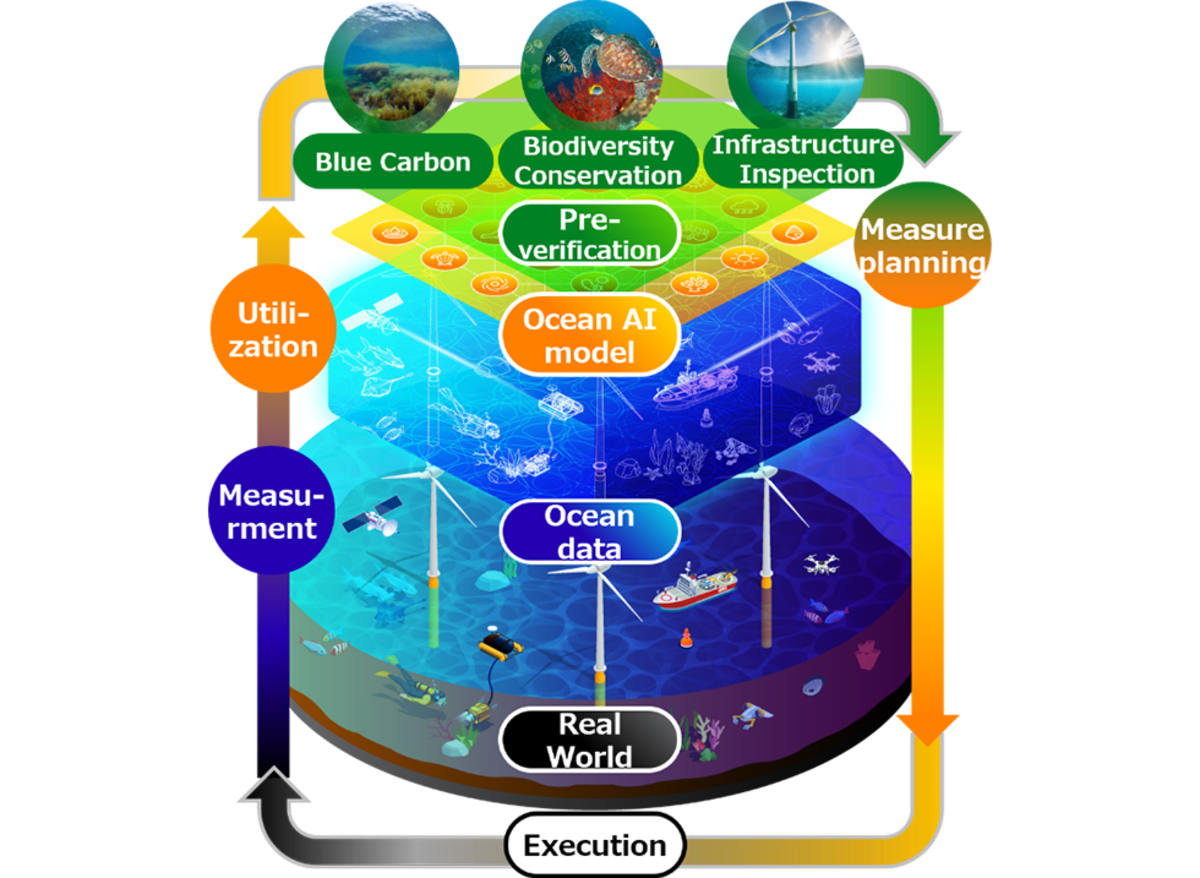
Fujitsu and the BCN Port Innovation Foundation announced a partnership to deploy underwater drones that capture high-resolution images of the seabed. Advanced AI then analyzes the footage to measure biodiversity, calculate vegetation coverage, and even estimate how much carbon dioxide the marine plants are absorbing from the atmosphere.
The system works like an underwater Google Maps combined with a health monitor for the ocean. Autonomous vehicles follow optimized routes along the seafloor, collecting consistent data that machine learning models transform into actionable environmental intelligence.
Port authorities will use the digital twin to identify which areas need protection and which zones are suitable for restoration. The platform can run "what if" scenarios, letting decision makers test environmental measures virtually before investing in real-world interventions.
This matters because global marine ecosystems face a severe crisis from warming waters and pollution. The European Union adopted the Nature Restoration Law in 2024, requiring member states to actively restore damaged marine environments, not just prevent further harm.
The Ripple Effect
The technology could reshape how the world's 5,000 commercial ports approach environmental responsibility. Most ports currently lack detailed baseline data about the marine life in their waters, making it nearly impossible to measure whether conservation efforts actually work.
Barcelona's digital twin creates a permanent record that tracks ecosystem changes over time. Scientists can analyze how different species respond to both climate change and port operations, building the empirical foundation needed for effective conservation strategies.
The project opens doors beyond environmental monitoring too. The immersive visual data could support marine research initiatives, environmental education programs, and public awareness campaigns that help coastal communities understand what lives beneath the surface.
Ángeles Delgado, president of Fujitsu Spain and Portugal, emphasized the practical value: "The ocean digital twin allows us to transform complex data from the marine environment into actionable information to protect biodiversity, promote blue carbon initiatives, and make evidence-based decisions."
The proof of concept launches in Barcelona throughout 2026, with plans to expand if successful. What starts as drones mapping a single port's seafloor could evolve into a blueprint for protecting marine ecosystems wherever commerce meets the coast.
More Images

Based on reporting by Google News - Innovation Technology
This story was written by BrightWire based on verified news reports.
Spread the positivity!
Share this good news with someone who needs it