Bariatric Surgery Beats GLP-1 Drugs for Diabetes Patients
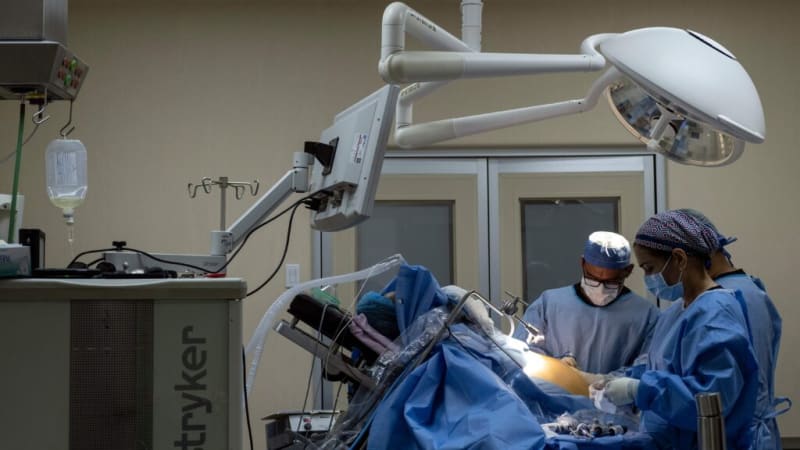
A 12-year study across four U.S. cities shows bariatric surgery outperforms even the latest weight-loss medications for treating type 2 diabetes, helping patients across all income levels. The findings reveal surgery offers lasting results that work for everyone, not just the wealthy.
People with type 2 diabetes and obesity have more treatment options than ever, but a major long-term study just revealed which approach works best.
Researchers followed 355 patients in Boston, Cleveland, Pittsburgh, and Seattle for over a decade, comparing bariatric surgery to medication and lifestyle changes. The results were clear: surgery helped patients lose more weight (28% versus 10%), lower blood sugar levels more effectively, and even stop needing insulin injections entirely.
What makes this study especially hopeful is what it discovered about who benefits. When researchers looked specifically at patients from low-income neighborhoods facing food insecurity and limited healthcare access, surgery still came out ahead. The treatment worked across all social backgrounds, not just for people with more resources.
Dr. Mary Elizabeth Patti, an endocrinologist at Boston's Joslin Diabetes Center who led the research, sees this as crucial information. Many patients struggle with diabetes care while juggling two jobs, tight food budgets, and the exhausting bureaucracy of insurance approvals. Surgery offers them a durable solution that doesn't require constant medication management.
The study, published Monday in the Annals of Internal Medicine, tracked patients for up to 12 years. Some participants who started with medication later chose surgery, and some surgical patients added newer GLP-1 drugs like Mounjaro as they became available. Even accounting for these crossovers, surgery consistently delivered better outcomes.
This matters now more than ever, as excitement around GLP-1 medications dominates conversations about weight loss and diabetes. These drugs are genuinely wonderful tools, Patti emphasized, but surgery remains underutilized despite its proven track record. For someone hoping to lose 100 pounds, surgery offers realistic hope that medications alone might not provide.
Why This Inspires
This research challenges the assumption that cutting-edge treatments only work for people with advantages. Surgery proved effective whether patients lived in high-deprivation areas or more affluent neighborhoods, offering genuine hope to communities hit hardest by diabetes and obesity.
The findings also remind us that newer isn't always better. While injectable medications grab headlines, a well-established surgical approach continues delivering life-changing results that last. Both surgery and GLP-1 drugs work similarly by reducing appetite and changing how the intestine processes nutrients, but surgery's effects appear more durable.
Dr. Melanie Jay from NYU Langone, who wasn't involved in the study, noted that people now have more options than ever for managing obesity as a lifelong disease. Some patients may benefit from combining approaches over time.
The bottom line brings real optimism: effective treatment for type 2 diabetes exists and works for everyone, regardless of income or ZIP code.
More Images



Based on reporting by STAT News
This story was written by BrightWire based on verified news reports.
Spread the positivity!
Share this good news with someone who needs it