Battery Breaks Records With 745-Mile Single Charge Test
A Massachusetts company just proved electric vehicles can drive 745 miles on a single charge using new solid-state battery technology. The breakthrough could make range anxiety a thing of the past.
Electric cars just shattered a major barrier that's been holding drivers back from making the switch.
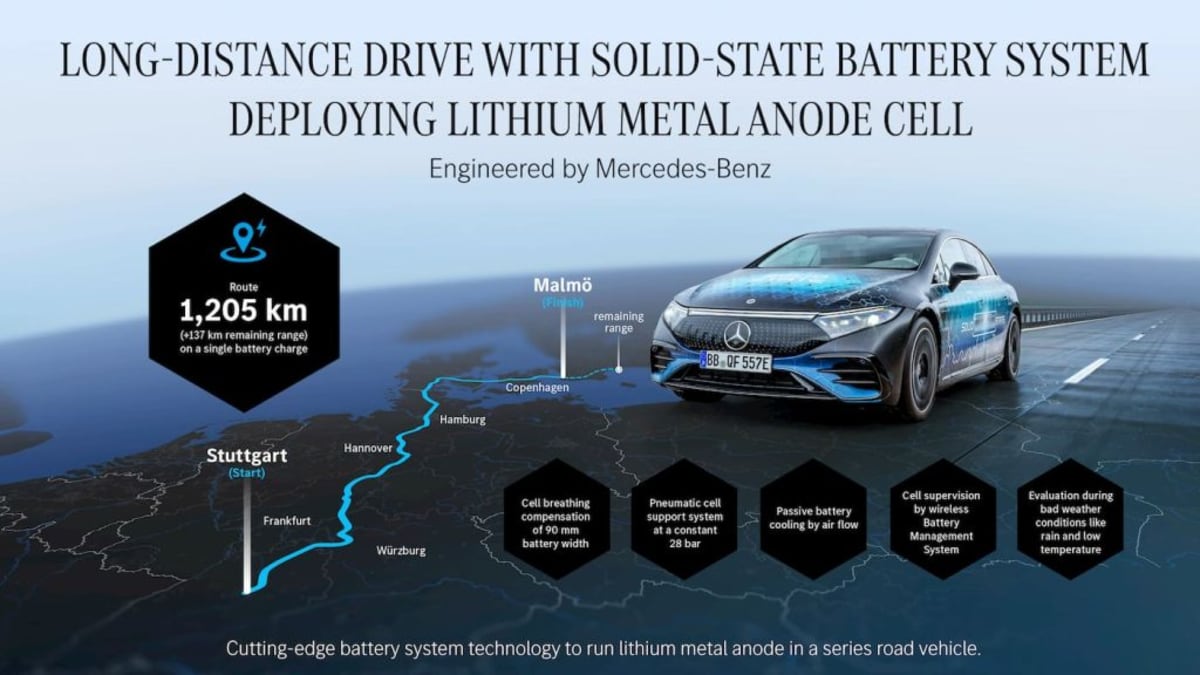
Last September, a modified Mercedes sedan traveled 745 miles on a single charge through real roads and real conditions. The secret? Solid-state batteries from Massachusetts-based Factorial Energy, which just went public on the Nasdaq to bring this technology to everyone.
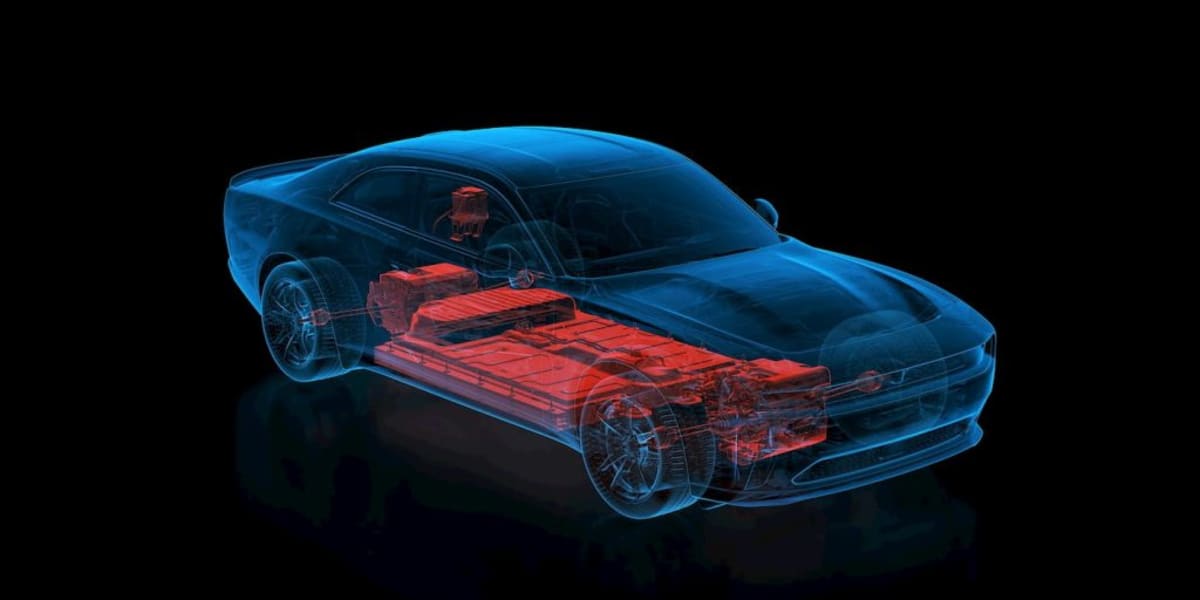
The numbers tell an impressive story. Factorial's batteries pack 25% more energy into the same space and weight as traditional EV batteries. During lab testing verified by Stellantis, the cells charged from 10% to 90% in just 18 minutes and weighed 40% less than conventional batteries.
Mercedes tech chief Markus Schäfer called the technology a true "gamechanger" for electric vehicles. The automaker isn't alone in its excitement. Hyundai, Kia, and Stellantis have all partnered with Factorial to develop the next generation of batteries.
CEO Siyu Huang says these batteries solve a critical problem. "The existing battery is not big enough, and it's not light enough," she explained. Her solution addresses what American consumers have been asking for all along.
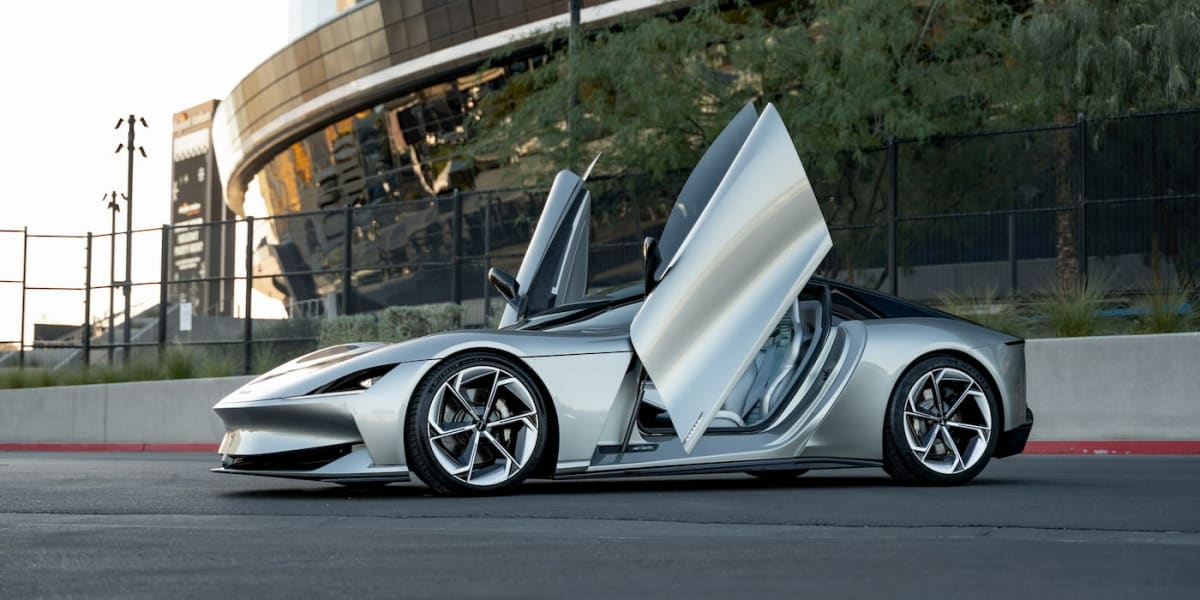
The company isn't stopping at cars. Factorial plans to supply batteries to defense, aerospace, robotics, and hyperscale data centers. Earlier this year, they launched the first commercial solid-state battery program in the US through luxury carmaker Karma Automotive.
The Ripple Effect
This breakthrough arrives at exactly the right moment. While some automakers have slowed their electric plans, Factorial proved there's a better battery waiting in the wings. The technology delivers what drivers actually need: longer range, faster charging, and lighter weight.
The $1.3 billion merger gives Factorial about $110 million to scale up production. With solid-state batteries performing in real vehicles on real roads, the company has moved from lab experiments to commercial reality.
Huang expects to see these batteries powering electric vehicles as soon as 2027. For drivers worried about running out of charge on long trips, that timeline brings genuine relief within reach.
More Images
Based on reporting by Electrek
This story was written by BrightWire based on verified news reports.
Spread the positivity!
Share this good news with someone who needs it

%2Ffile%2Fattachments%2Forphans%2FBMAfricaairlines_291454.jpg)