Battery Breakthrough Cuts EV Costs, Boosts Range 10%
A Japanese company just solved one of the biggest problems holding back electric vehicles: making batteries cheaper and more powerful at the same time. The simple solution uses an inexpensive material that most battery makers already have on hand.
📺 Watch the full story above
Electric vehicles are about to get more affordable and go farther on a single charge, thanks to a clever innovation from Asahi Kasei in Tokyo.
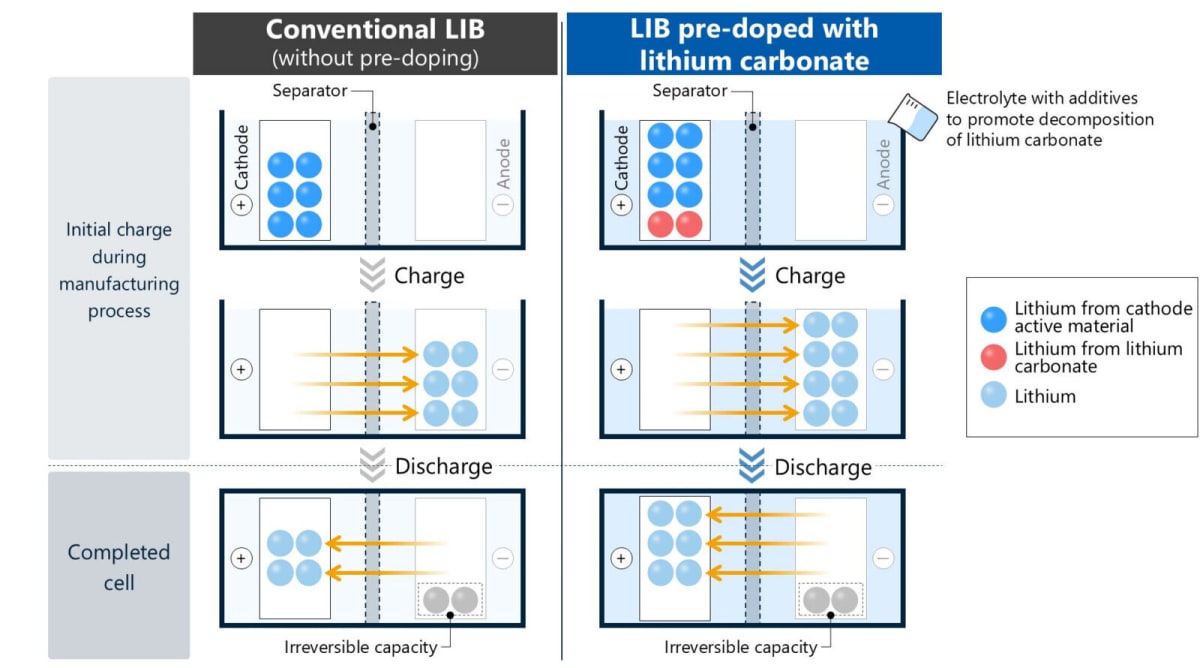
The company developed a new way to supercharge lithium-ion batteries using lithium carbonate, a cheap and widely available material. Their breakthrough lets batteries store 10% more energy while actually lowering production costs.
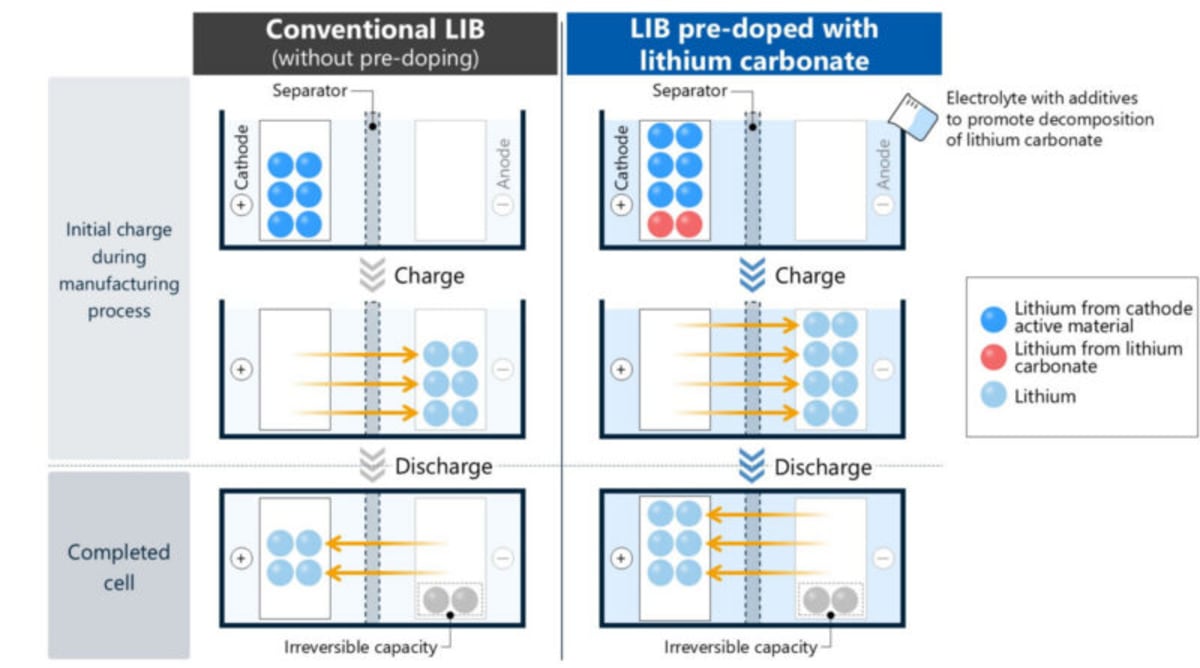
Here's why that matters. Silicon-based batteries can hold way more power than traditional graphite ones, making them perfect for electric cars and even humanoid robots. But they've had a fatal flaw: they lose a huge chunk of their capacity the very first time you charge them.
Battery makers have tried to fix this problem before, but the solutions were expensive and complicated. Asahi Kasei took a different approach by figuring out how to use lithium carbonate as a backup lithium source, even though this material normally requires extremely high voltage to work.
Their secret weapon is a special additive mixed into the battery's electrolyte fluid. This additive helps the lithium carbonate break down at normal battery voltages, releasing extra lithium exactly when and where it's needed during that crucial first charge.
The best part? Battery factories don't need expensive new equipment or major production changes to use this technology. It works with existing manufacturing lines and applies to different types of battery materials.
The Ripple Effect
This innovation arrives at the perfect moment. As electric vehicles become more popular worldwide, reducing battery costs directly translates to more affordable EVs for everyday drivers. A 10% energy density boost means cars can travel farther between charges without adding heavy, expensive battery packs.
The technology also promises longer battery life overall, which means fewer replacements and less environmental waste. Lower cost per watt-hour makes electric transportation competitive with gas-powered vehicles in more markets around the world.
Asahi Kasei plans to license this technology globally, working with battery manufacturers through customized partnership frameworks. They're aiming to finalize at least 10 licensing agreements over the next few years, bringing this advancement to production lines worldwide.
The company is already conducting real-world tests with customers across different countries. Early results with nickel-manganese-cobalt batteries show the 10% improvement holds up under actual operating conditions, not just in lab settings.
This breakthrough proves that sometimes the best solutions come from reimagining cheap, familiar materials rather than inventing something entirely new from scratch.
More Images


Based on reporting by CleanTechnica
This story was written by BrightWire based on verified news reports.
Spread the positivity!
Share this good news with someone who needs it