Battery Recycling Gets Easier as Drop-Off Sites Expand
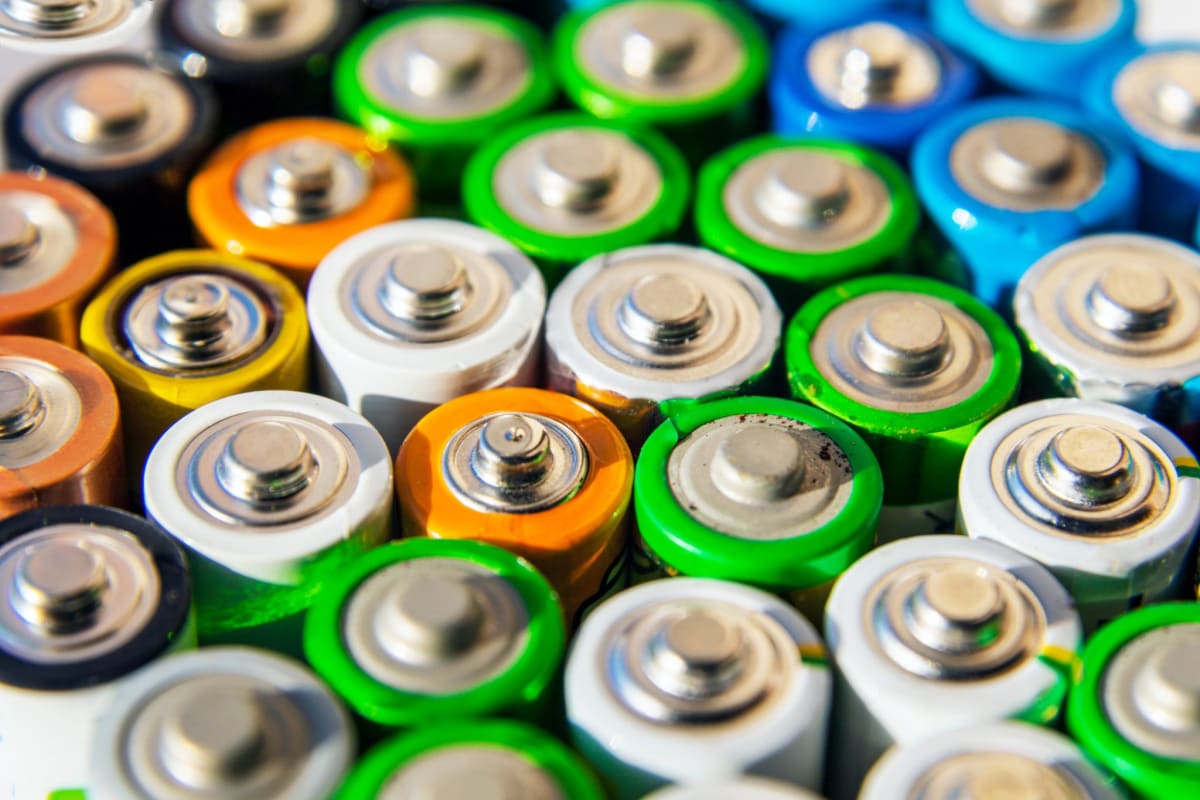
Only 10% of the five billion batteries Americans buy each year get recycled, but new programs are making it simpler to keep harmful metals out of landfills. Drop-off sites, mail-in options, and retail programs are giving every household a way to turn old batteries into new resources.
If you've got a drawer full of dead batteries at home, you're not alone—and now you've got better options than ever to recycle them the right way.
Americans purchase about five billion batteries each year, but only 10% get recycled. That means valuable metals like cobalt, nickel, and lithium end up in landfills instead of being reused, and those materials can leak into soil and water supplies.
The good news? Recycling programs are expanding fast. Retailers like Home Depot and Lowe's now accept rechargeable batteries at many locations. Mail-in programs let you fill a container at home and send it back when full. And some cities make it even easier—San Francisco residents can seal household batteries in a plastic bag and set them on top of their trash bin for pickup.
Why recycling batteries matters goes beyond just keeping them out of landfills. About half the world's cobalt comes from the Democratic Republic of Congo, where mining has been linked to human rights abuses. Lithium extraction in South America can strain water supplies in communities that depend on limited groundwater. Recycling reduces the need for new mining altogether.
Different batteries need different handling. Today's common alkaline batteries (AA, AAA, C, D) no longer contain mercury like they did before 1996, making them safer but still worth recycling for their steel, zinc, and manganese. Rechargeable batteries from phones, laptops, and power tools contain higher concentrations of valuable metals and are restricted from household trash in many states.
California treats all discarded batteries as hazardous waste and bans throwing them away. Other states focus on specific types, like vehicle batteries. Your zip code determines your options, so checking your county waste program or state recycling laws is the best first step.
Vehicle batteries already get recycled widely through auto shops and manufacturers. Electric vehicle batteries are getting a second life too—researchers found that reusing EV batteries for power storage after their vehicle service could cut carbon emissions by 56% compared to natural gas generation.
Finding a recycling spot has gotten simpler. County websites list battery collection programs, and Earth911's online tool locates nearby drop-off sites by zip code. Businesses that use lots of batteries can work with collection services like Call2Recycle or Battery Solutions.
The Ripple Effect
Every battery kept out of a landfill means less mining, less groundwater stress in vulnerable ecosystems, and fewer toxic metals risking contamination. Harvard researchers recently designed lithium-metal batteries that could charge and discharge 10,000 times, extending the usable life of battery packs. Toyota-funded projects are using machine learning to understand battery degradation, working toward batteries that charge in 10 minutes and last longer.
These innovations work better when the materials they need stay in circulation. That mystery drawer of dead batteries? It's not junk—it's raw material for the next generation of devices.
More recycling programs mean more people can participate, turning what used to be complicated into something as simple as a store drop-off or a prepaid mailer.
Based on reporting by Optimist Daily
This story was written by BrightWire based on verified news reports.
Spread the positivity!
Share this good news with someone who needs it