Battery Rentals Spread Across Africa as Power Access Grows
Families and small businesses across South Africa and Nigeria are renting batteries instead of buying expensive generators, turning reliable electricity into an affordable subscription service. The model is expanding fast, proving that removing cost barriers unlocks massive demand for clean energy.
A barber in a South African township no longer loses customers when the power cuts out. A Lagos food vendor stopped spending hundreds on diesel each month. They're both using the same solution: renting batteries like they rent mobile data.
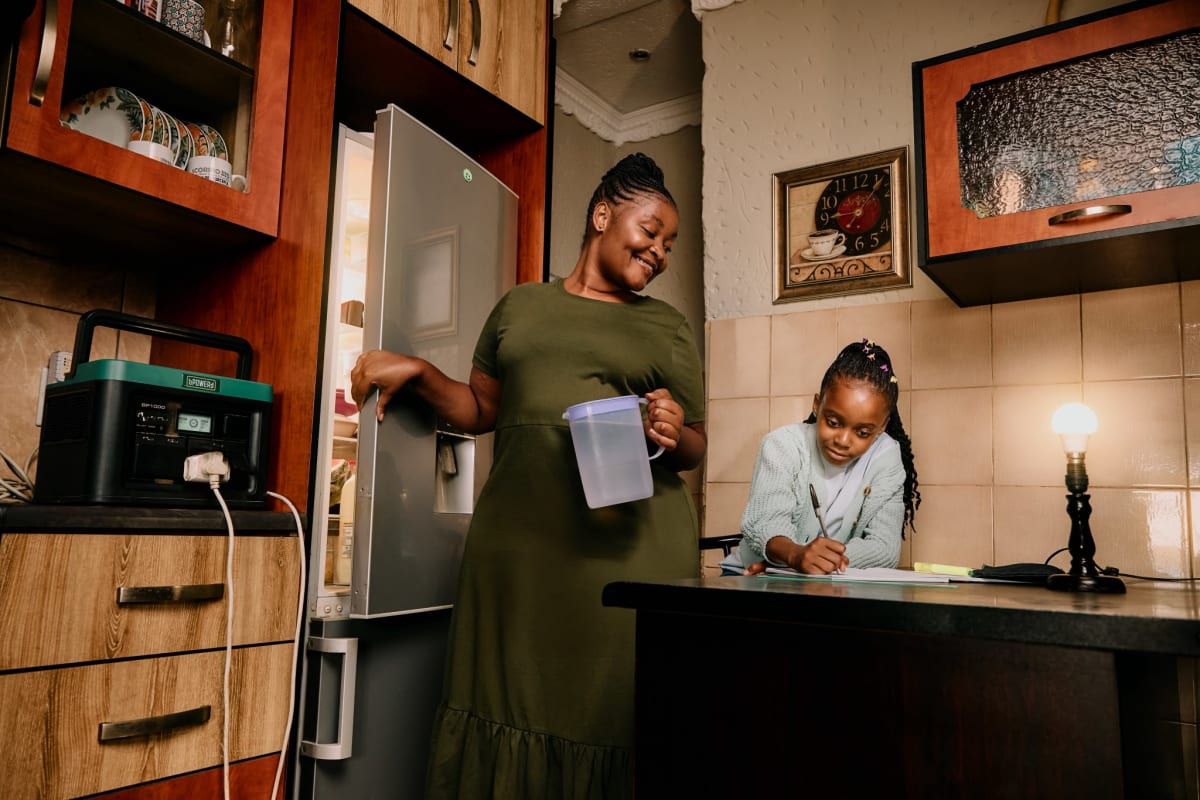
Instead of spending thousands of dollars on generators or solar panels, people across Africa are now paying for electricity as a service. Companies like bPOWERd rent portable batteries that keep homes and businesses running during outages, with no installation costs, no maintenance headaches, and no debt.
South Africa became an early testing ground after years of power cuts forced households to find alternatives. Buying backup power traditionally cost between $488 and $9,154 upfront. For township families and informal businesses, that price tag remained impossible even as electricity became essential for earning income.
Thandekile Madikane, who leads bPOWERd's South Africa operations, says the rental model changes everything. "When you rent, you pay for what you use, when you use it," she explains. Some customers could afford to buy but choose not to because flexibility matters more than ownership.
The approach mirrors other African technology success stories. M-Pesa brought banking to millions without requiring bank accounts. M-KOPA made solar power accessible through payment plans. Now electricity is following the same path from ownership to access.
Nigeria proved the model travels well. When bPOWERd launched battery rental hubs in Lagos in May, offering portable solar batteries at daily rates cheaper than running petrol generators, the company hit 60% of its six-month customer target within seven weeks.
The fastest adopters include salon owners, spaza shop operators, and food vendors who lose income every time the lights go out. Some customers now earn extra money charging neighbors' phones or replacing diesel equipment with cleaner battery-powered tools.
The Ripple Effect
The rental batteries are becoming genuine infrastructure for how people live and work. Every blackout that used to mean lost income now gets solved with a subscription that costs less than diesel. Township entrepreneurs keep serving customers. Students keep studying. Families keep food cold.
The rapid adoption across two countries reveals something important: people weren't resistant to clean energy. They were locked out by cost. Remove that barrier, and the shift happens fast. Madikane sees electricity moving the same direction as mobile data and streaming services, where access beats ownership every time.
Clean, reliable power is finally becoming something people can actually afford.
More Images

Based on reporting by TechCabal
This story was written by BrightWire based on verified news reports.
Spread the positivity!
Share this good news with someone who needs it