Scientists Turn Wet Coffee Grounds Into Fuel in 90 Seconds
Korean researchers have cracked the code on transforming soggy coffee waste into high-grade fuel without any drying time. The breakthrough could turn 18 million tonnes of annual coffee waste into a valuable energy resource.
Every year, the world drinks 400 billion cups of coffee and tosses 18 million tonnes of wet grounds into landfills. Scientists in South Korea just figured out how to turn that waste into powerful fuel faster than it takes to brew your morning cup.
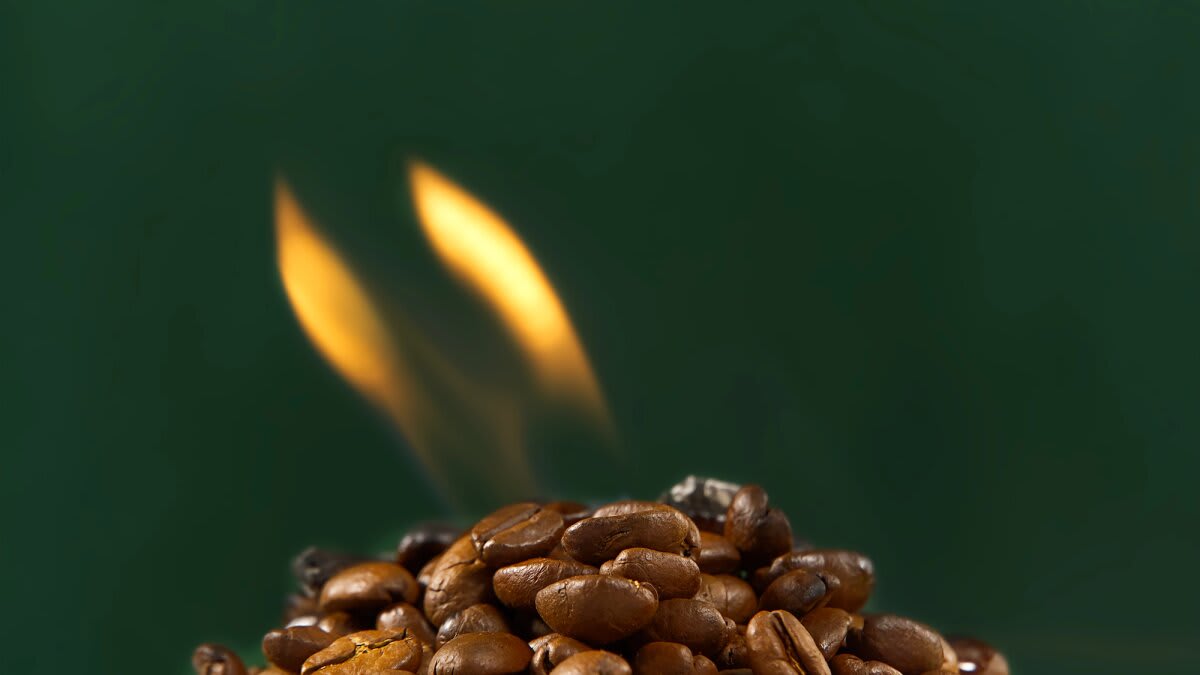
Researchers at the Korea Institute of Geoscience and Mineral Resources developed a flame plasma pyrolysis system that blasts wet coffee grounds with 800-degree plasma flames. In just 90 seconds, the moisture instantly vaporizes in a popcorn-like effect, transforming the soggy waste into porous biochar ready to burn.
The game-changer here is moisture. While other processes require hours of energy-intensive drying before waste can become fuel, this new method uses water as an advantage. The steam actually accelerates the chemical reactions and improves the final product quality.
The numbers tell an impressive story. Coffee grounds go in at 55% moisture and come out as biochar with nearly triple the carbon content. One kilogram of this new fuel delivers 29 megajoules of energy, outperforming wood by about 50%. All sulfur compounds disappear in the process, preventing the air pollution that causes acid rain.
Speed makes this technology particularly exciting for real-world use. Conventional biomass conversion takes anywhere from 30 minutes to six hours. This plasma system works up to 240 times faster, processing waste at a pace that could support industrial operations.
The biochar performs like high-quality anthracite charcoal for heating, but its porous structure opens doors to other applications too. With a surface area that jumps from 1.5 to 115.4 square meters per gram, the material could work for water purification, air filtration, and industrial absorption processes.
Unlike traditional plasma systems that gulp electricity, this setup generates plasma through regular liquefied petroleum gas and compressed air. The researchers built it to be compact enough for on-site installation at cafes, processing plants, or anywhere coffee waste accumulates.
The Ripple Effect
Coffee grounds represent just the beginning. Dr. Taejun Park and his team designed the system to handle any high-moisture organic waste, from food scraps to agricultural leftovers to sewage sludge. Cities and industries sitting on mountains of wet waste could suddenly have a local energy source instead of a disposal problem.
The technology flips the usual equation. Waste stops being something that costs money and energy to eliminate. Instead, it becomes a resource that produces clean-burning fuel while reducing landfill overflow and greenhouse gas emissions from decomposing organic matter.
The research team is now working to scale the process for commercial deployment. Their vision transforms waste management from an environmental burden into a distributed energy opportunity available wherever organic waste exists.
Your morning coffee ritual just got a second act as tomorrow's heating fuel.
More Images


Based on reporting by New Atlas
This story was written by BrightWire based on verified news reports.
Spread the positivity!
Share this good news with someone who needs it