Lagos Powers Up: 360MW Added to City's Electric Grid
Nigeria's largest city just gained enough power capacity to light up 170,000 homes, thanks to major upgrades at four key substations. Nearly 580,000 residents will see more reliable electricity for the first time in decades.
Lagos just took a massive leap toward solving one of Africa's toughest infrastructure challenges: reliable electricity for millions of people.
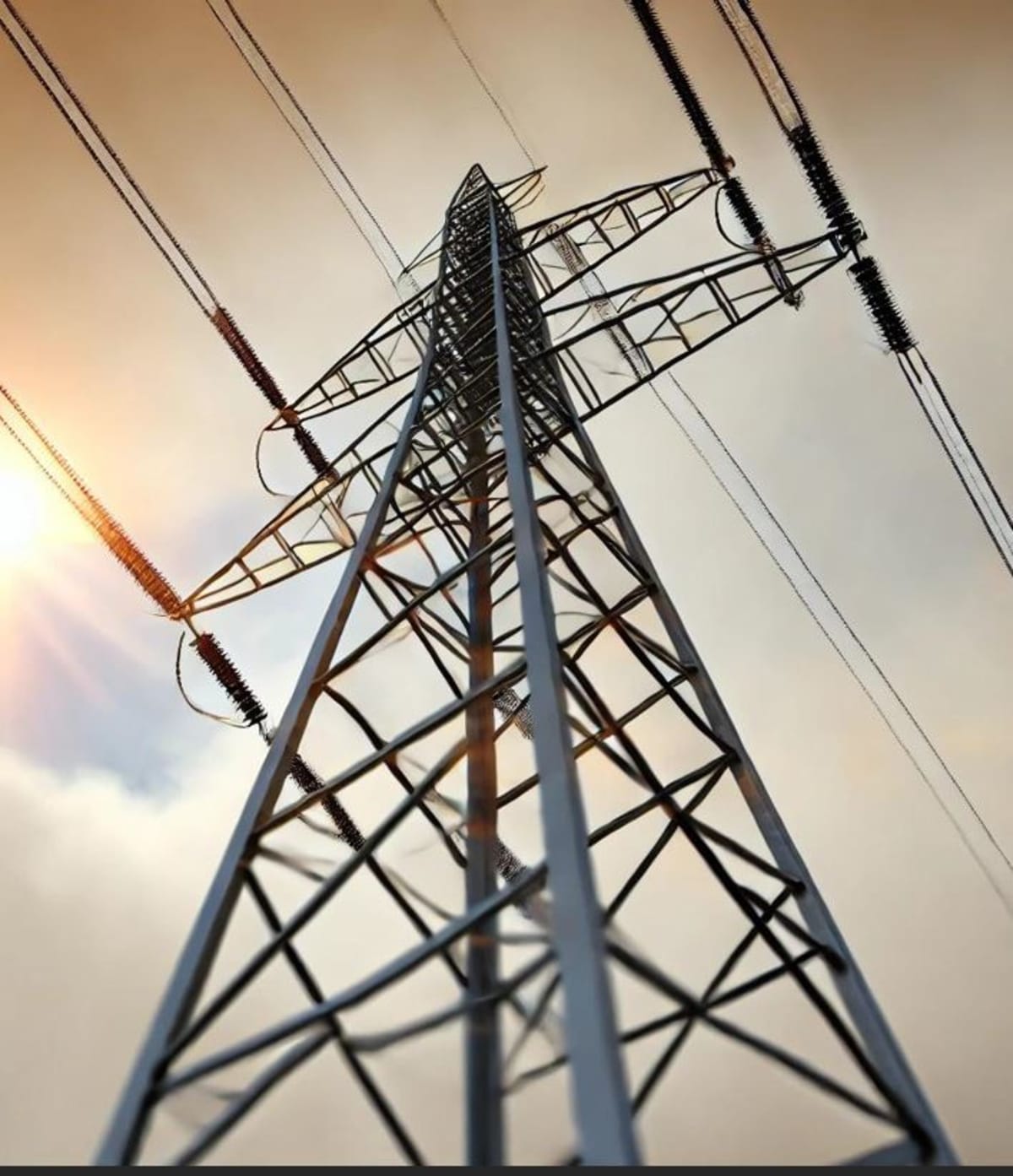
The Federal Government commissioned upgraded transmission facilities at four major substations across Lagos, adding 360 megawatts to the city's power capacity. That's enough electricity to serve 170,000 households and benefit roughly 580,000 residents who have struggled with unreliable power for years.
The upgrades targeted substations at Ijora, Apapa Road, Alausa, and Lekki. Some of these facilities had been operating with the same equipment for over 25 years. Now they're equipped with modern transformers and switching technology that can handle the demands of Nigeria's fastest-growing city.
At Ijora, two new 100MVA transformers more than doubled the site's capacity, adding 112MW. Apapa Road received similar treatment with new 60MVA transformers and modern gas-insulated switchgear, boosting capacity by 96MW. The Alausa substation replaced aging equipment with a powerful 100MVA unit, adding 56MW and now delivering 80MW directly to the Ikeja distribution network.
The Lekki project brought the most dramatic change, doubling transformation capacity with multiple new transformers and nine additional feeders to serve one of Lagos's most rapidly developing areas.
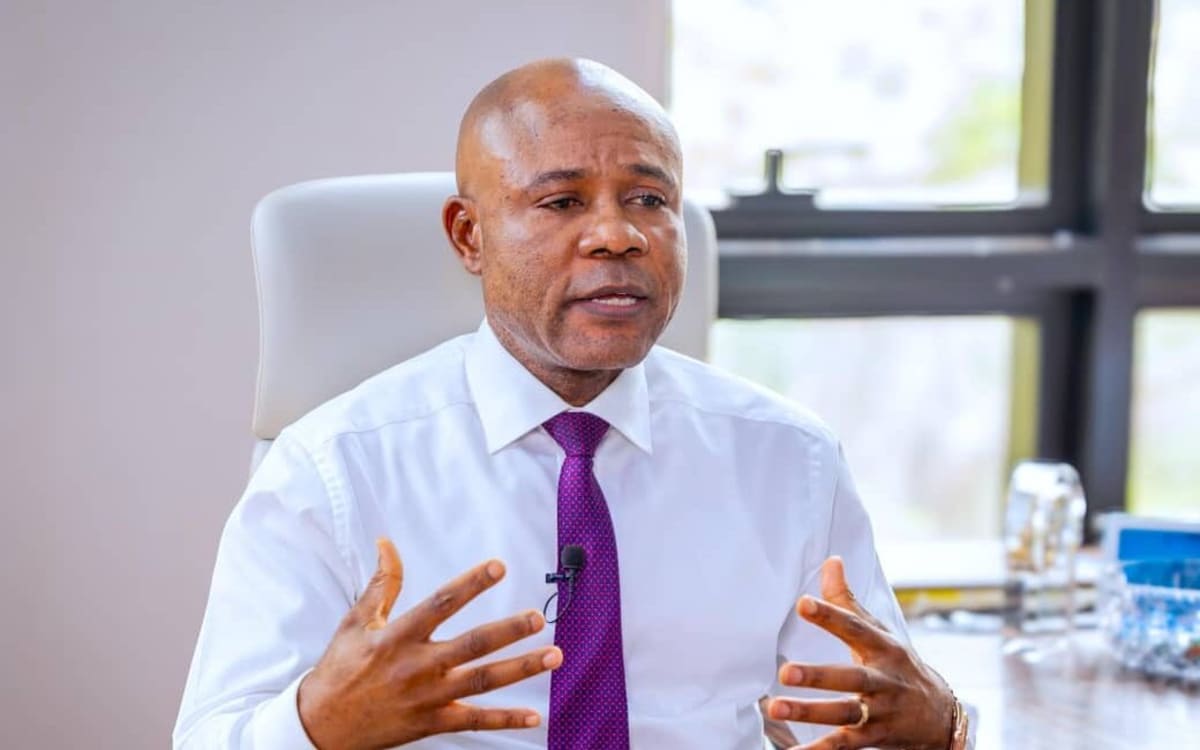
Power Minister Joseph Tegbe explained that these investments target specific bottlenecks that have prevented existing generation capacity from reaching homes and businesses. The strategy is working. The government now aims to wheel 6,000MW across the country by year's end, up from current levels, with plans to reach 8,000MW within two years.
The projects received support from the World Bank and the Japan International Cooperation Agency, with Shanghai Electric handling installation. This international backing shows global confidence in Nigeria's infrastructure development.
The Ripple Effect
Beyond keeping lights on, reliable electricity transforms entire communities. Businesses can operate predictably without expensive backup generators. Students can study after dark. Medical facilities can maintain refrigeration for vaccines and medicines. Small manufacturers can compete more effectively when power cuts don't destroy production schedules.
For Lagos, a megacity of over 20 million people and West Africa's economic engine, dependable electricity isn't just convenience. It's the foundation for everything from tech startups to street food vendors who need refrigeration. These upgrades remove barriers that have held back countless entrepreneurs and families.
The ripple effects extend beyond Lagos too. As Nigeria's transmission network grows stronger, it creates a model for other African nations facing similar infrastructure challenges. Success here proves that targeted investments in aging systems can unlock capacity without building entirely new facilities.
Lagos now has the transmission backbone to match its ambitions as Africa's rising tech and business hub.
Based on reporting by Vanguard Nigeria
This story was written by BrightWire based on verified news reports.
Spread the positivity!
Share this good news with someone who needs it