India Powers Up: 150 GW of Clean Energy Under Construction
India is building a renewable energy future at unprecedented scale, with more than 150 gigawatts of clean power projects currently under construction. By 2030, renewables could provide over a third of the nation's electricity, lighting up homes and businesses while cutting carbon emissions.
India is racing toward a cleaner energy future with a construction boom that could transform how 1.4 billion people get their electricity.
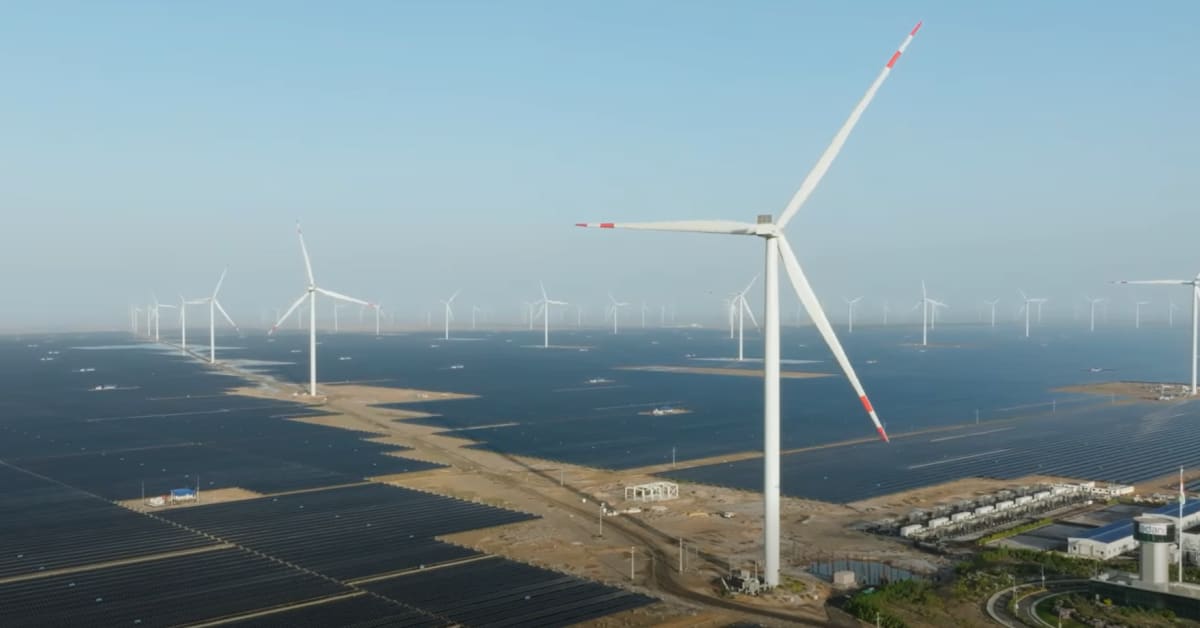
More than 150 gigawatts of renewable energy projects are currently being built across the country, enough capacity to power hundreds of millions of homes. Rating agency ICRA projects that renewable sources, including solar, wind, and hydropower, will generate over 35% of India's total electricity by 2030, up from just 22% today.
The scale of this transformation is staggering. To put it in perspective, 150 gigawatts could power the entire United Kingdom several times over.
Battery storage technology is emerging as a game changer for making this renewable revolution reliable. India has awarded contracts for roughly 90 gigawatt-hours of battery storage systems over the past 18 months, with costs dropping rapidly thanks to cheaper batteries and government support that extends through 2028.
These massive batteries solve renewables' biggest challenge: storing sunshine and wind for when it's needed most. At current prices, battery storage costs between 4 and 7 cents per kilowatt-hour, making it competitive with traditional pumped hydropower while being faster to build.
The push comes as India balances explosive economic growth with climate commitments. The country added 40.6 gigawatts of renewable capacity in 2024-25 alone, cementing its position as one of the world's fastest-growing clean energy markets.
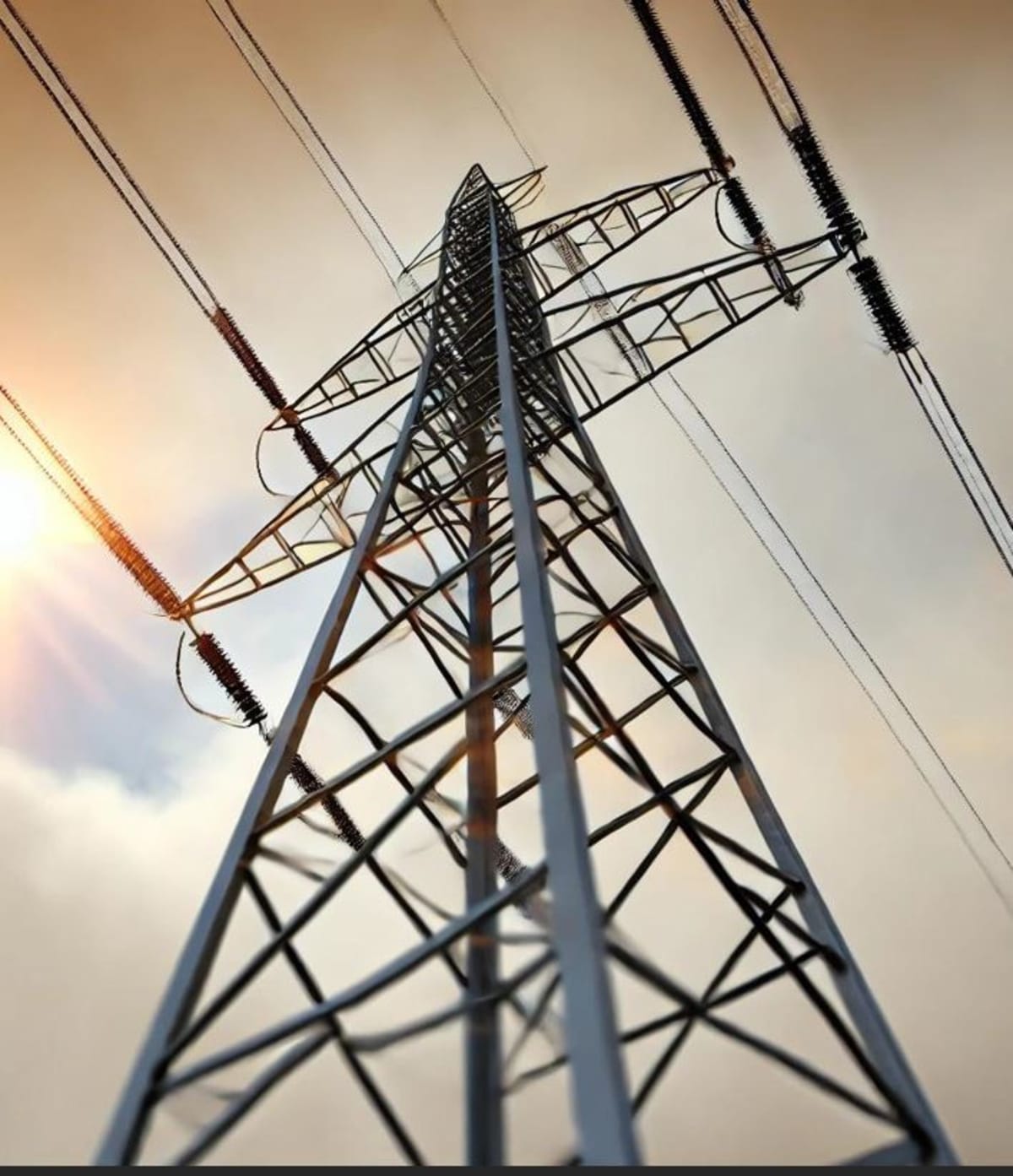
Challenges remain, particularly around building transmission lines fast enough to connect all these new solar and wind farms to cities and factories. Some projects face temporary curtailment during peak solar hours while the grid infrastructure catches up.
The Ripple Effect
India's renewable energy surge creates waves far beyond its borders. As the world's most populous nation demonstrates that massive clean energy transitions are possible in developing economies, it provides a roadmap for other countries facing similar challenges.
The construction boom is already creating thousands of jobs in manufacturing, installation, and maintenance. Local communities near solar and wind farms benefit from new economic opportunities, while cleaner air improves public health in cities that have long struggled with pollution.
Perhaps most significantly, India's scale is driving down technology costs globally. When a market this large commits to batteries and solar panels, manufacturers invest in efficiency improvements that benefit everyone worldwide.
Success here proves that climate action and economic development can advance together, offering hope that the world's energy transformation might happen faster than many experts predicted just a few years ago.
More Images


Based on reporting by PV Magazine
This story was written by BrightWire based on verified news reports.
Spread the positivity!
Share this good news with someone who needs it