Woman Saves 1,000 Rice Varieties, Helps 30,000 Farmers
Inspired by a Japanese farming book in the 1980s, an Indian agriculture officer built a two-decade movement that rescued nearly forgotten rice varieties and transformed traditional farming across six states. Her work now supports 30,000 farmers and preserves seeds that carry generations of agricultural wisdom.
A slim book from Japan changed everything for Usha Soolapani, a young agriculture officer in Kerala's Palakkad district in the early 1980s. "The One-Straw Revolution" became her compass, guiding her away from chemical farming and toward a philosophy that would eventually save 1,000 indigenous rice varieties.
For nearly 20 years, Usha watched Kerala's paddy ecosystem slowly collapse. Farmers who once earned more than government employees struggled with rising costs and falling grain prices, while wetlands disappeared under concrete and real estate development.
Her turning point came during the fight against Endosulfan, a toxic pesticide sprayed on cashew plantations that caused birth defects and disabilities in nearby communities. Witnessing the devastating health impacts convinced Usha that chemical-intensive agriculture threatened more than just crops.
Between 2005 and 2018, Usha and her colleagues at Thanal traveled across India's rice heartlands. They journeyed from Tamil Nadu's deltas to West Bengal's floodplains, seeking farmers who still protected ancestral seeds in clay pots and kitchen rafters.
What they discovered was deeper than grain. Each seed carried memory, with elders sharing stories of varieties that had nearly vanished from fields and collective knowledge.
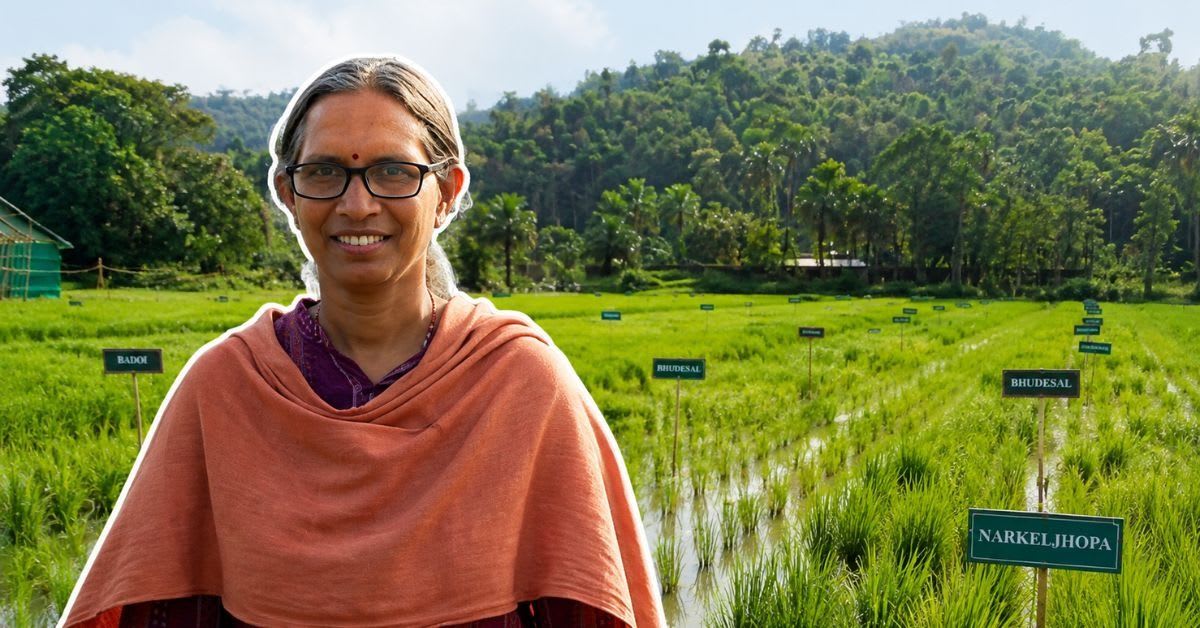
Their work became part of the Save Our Rice Campaign, launched in 2003 to protect Asia's rice heritage and food sovereignty. The movement created Rice Diversity Blocks and community seed banks where traditional varieties could be grown, multiplied and shared rather than simply stored away.
The Ripple Effect
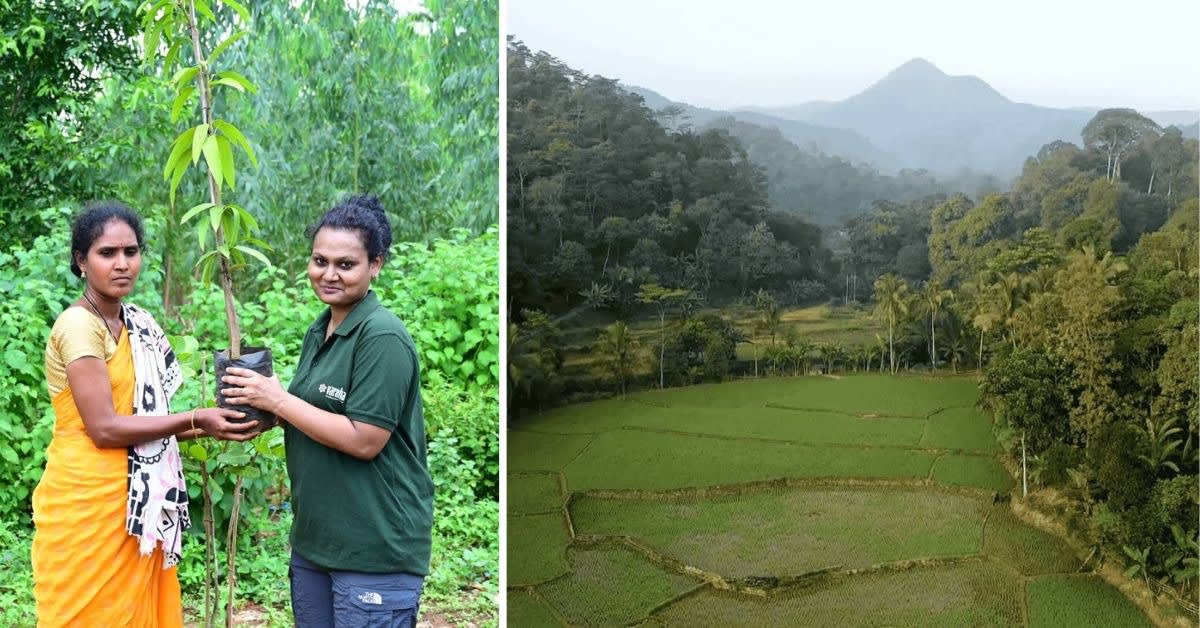
Today, the movement reaches 30,000 farmers across six Indian states. These farmers are reviving paddy traditions their grandparents knew, growing rice varieties adapted to local conditions without expensive chemicals or corporate seeds.
The campaign extends beyond India, connecting farmers and environmental groups across Asia. From the Philippines to Pakistan, communities are reclaiming control over their agricultural heritage and food security.
Seed festivals now gather farmers to share varieties and stories, filling the air with the fragrance of freshly cooked rice. Each gathering becomes an opportunity to revive what industrial agriculture nearly destroyed.
Usha's journey from reading a Japanese farming manifesto to building a regional movement shows how one person's commitment can preserve centuries of wisdom. In saving seeds, she helped save the knowledge, traditions and livelihoods that grew alongside them.
More Images
%2Fenglish-betterindia%2Fmedia%2Fmedia_files%2F2026%2F08%2F19%2Fusha-rice-cultivation-2026-08-19-16-07-53.jpg)
%2Ffilters%3Aformat(webp)%2Fenglish-betterindia%2Fmedia%2Fmedia_files%2F2026%2F08%2F19%2Frice-growing-on-demnstation-plots-in-the-sunederbans-2026-08-19-16-08-50.jpg)
%2Ffilters%3Aformat(webp)%2Fenglish-betterindia%2Fmedia%2Fmedia_files%2F2026%2F08%2F19%2Ftiny-plots-used-for-conservation-and-propogation-of-folk-rice-varieties-inthe-sundrerbans-2026-08-19-16-09-20.jpg)
Based on reporting by The Better India
This story was written by BrightWire based on verified news reports.
Spread the positivity!
Share this good news with someone who needs it