Bavarian Hop Farmer Doubles Income With Solar Panel 'Hats
A fourth-generation Bavarian hop farmer is saving his crops and slashing costs by installing solar panels above his fields. The innovation protects shade-loving hops from climate change while generating clean energy. ##
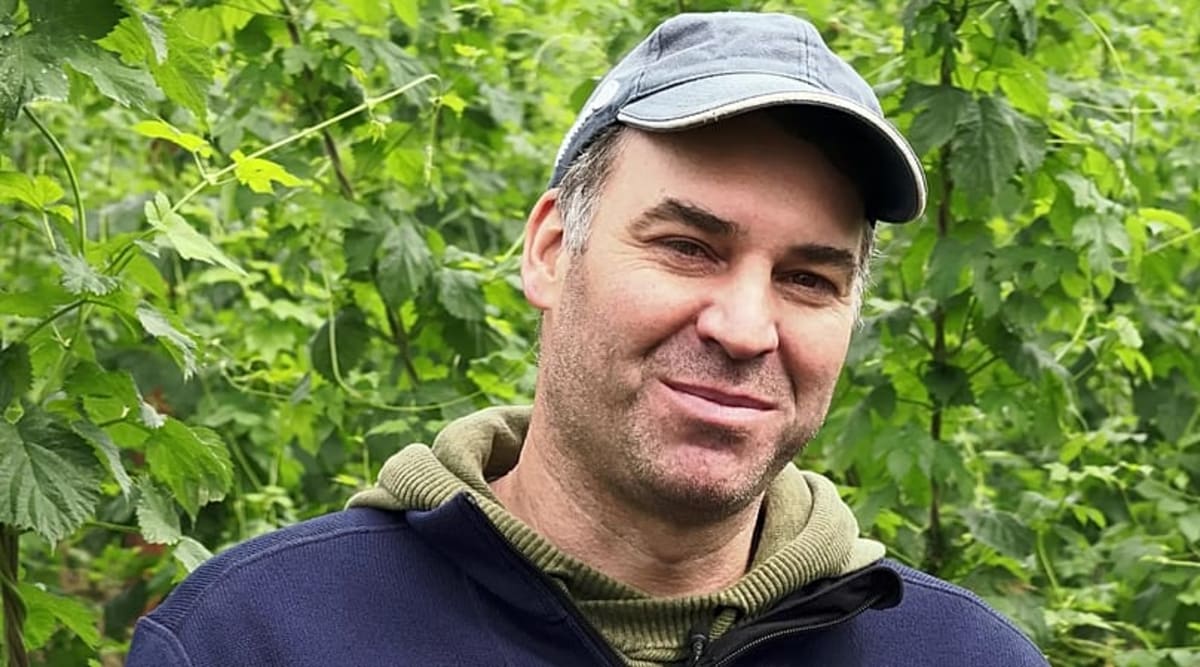
When Josef Wimmer told his neighbors he was putting solar panels over his hop fields, they thought he'd lost his mind.
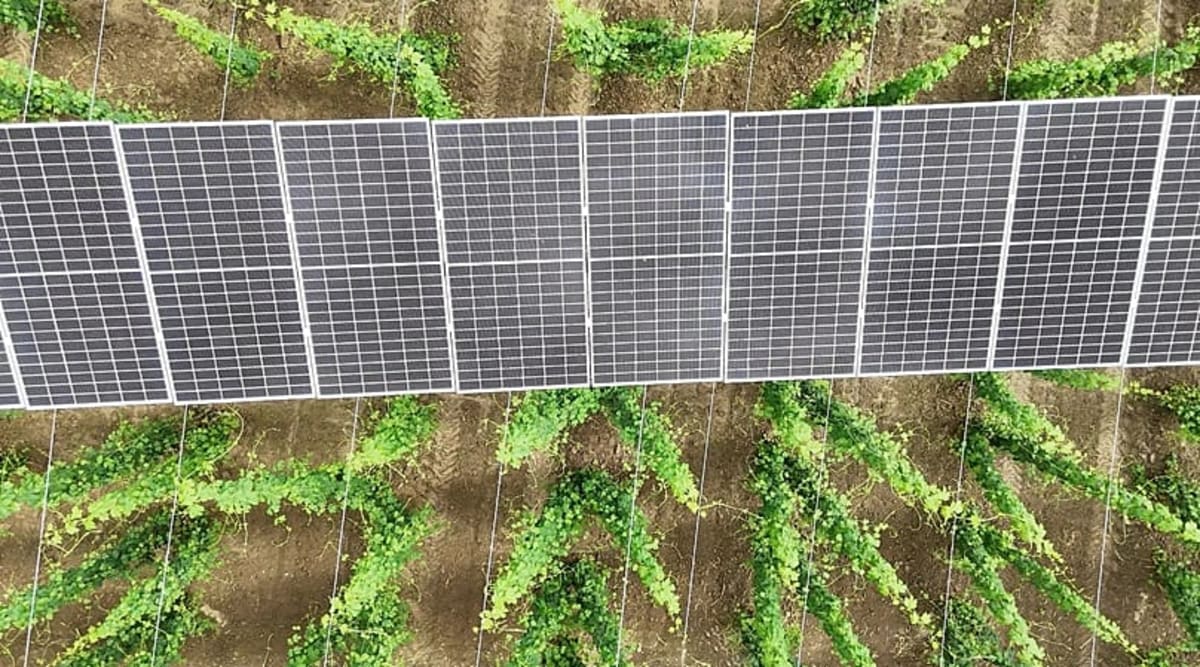
Ten years later, the fourth-generation farmer from Neuhub, Germany, is laughing all the way to the bank. His solar "hats" protect his crops from brutal heat while generating two megawatts of clean power at peak production.
The timing couldn't be better. Bavaria's hop farms are vanishing at an alarming rate, with 40 percent closing in the past two decades. Climate change is hitting hard in the Hallertau, the world's largest hop-growing region that produces one-third of global hops.
"The years are getting hotter and drier," Wimmer says. Without action, his family's farm faced the same fate as hundreds of others swept up in Germany's 'höfesterben,' the creeping death of small farms.
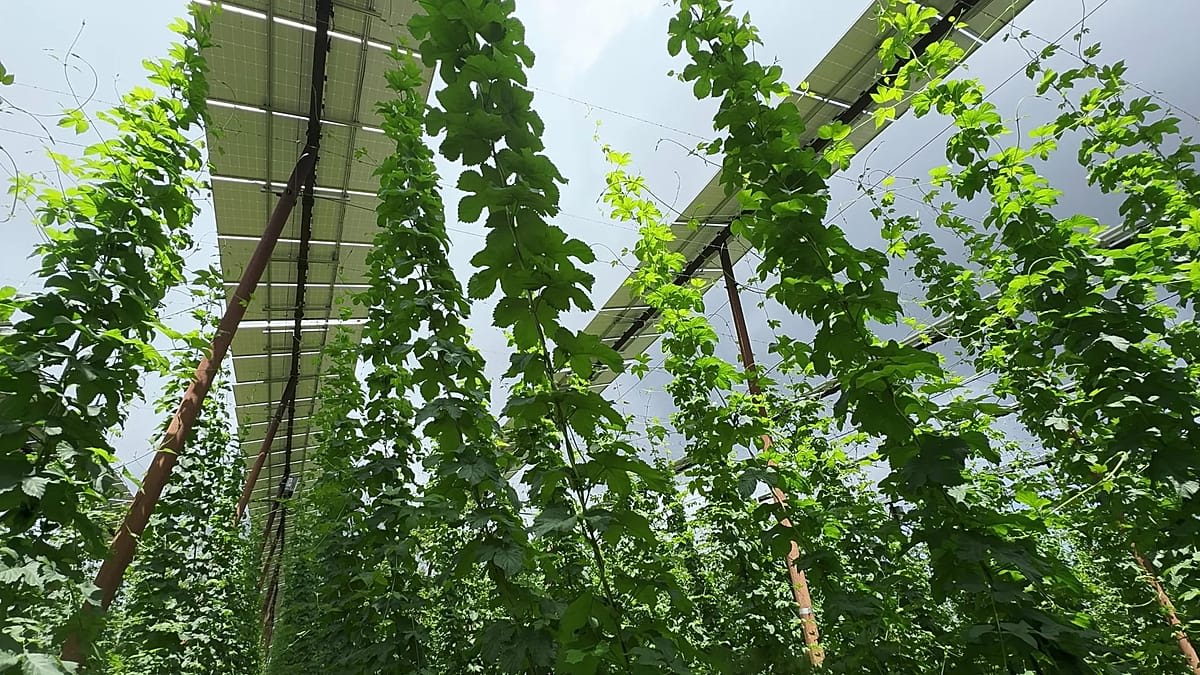
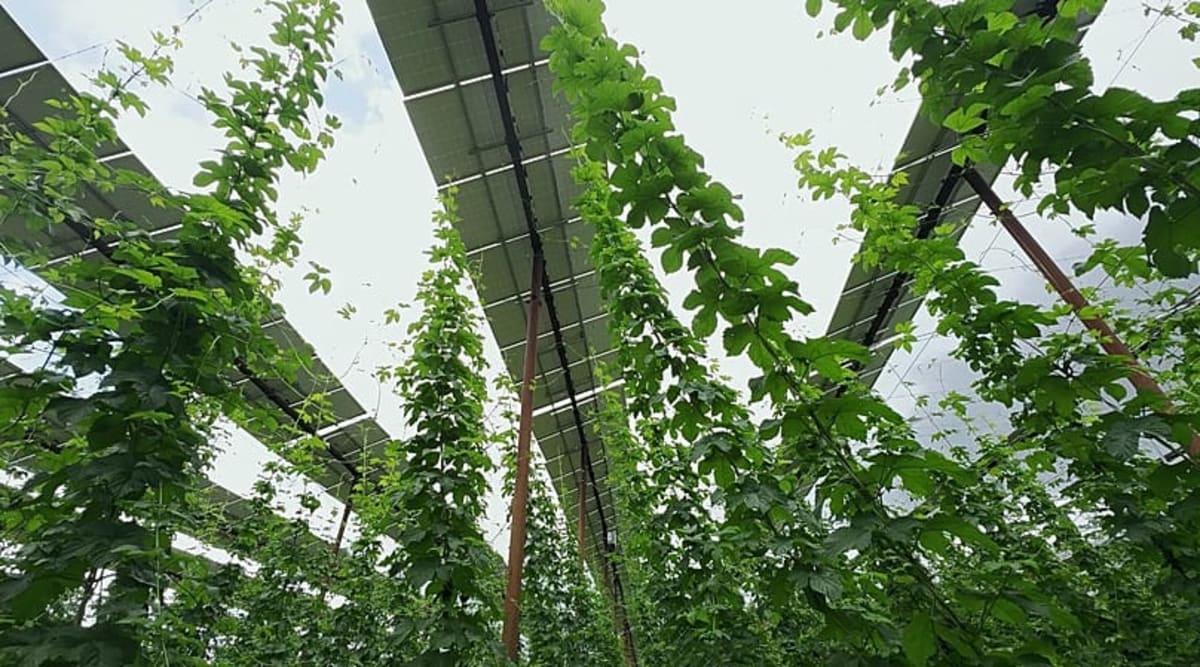
Hops are shade-loving plants that climb seven-meter poles. When temperatures spike, they produce fewer alpha acids, the compounds that give beer its pleasant bitterness. Droughts devastate soil health and crush yields.
Wimmer's solution was radical but elegant. Install photovoltaic panels seven meters above the ground, creating protective shade while harvesting sunlight for energy. He covered five hectares first, turning his farm into the talk of the Hallertau.
"Everyone came by to have a look," he recalls with a laugh. "After every big storm, they wanted to know if it was still standing or had been blown away."
It's still standing. Better yet, it's thriving.
Moisture sensors show the soil stays wetter under the panels because evaporation drops. Rainfall lingers longer in the ground exactly when hops need it most, during the crucial June through August growing season.
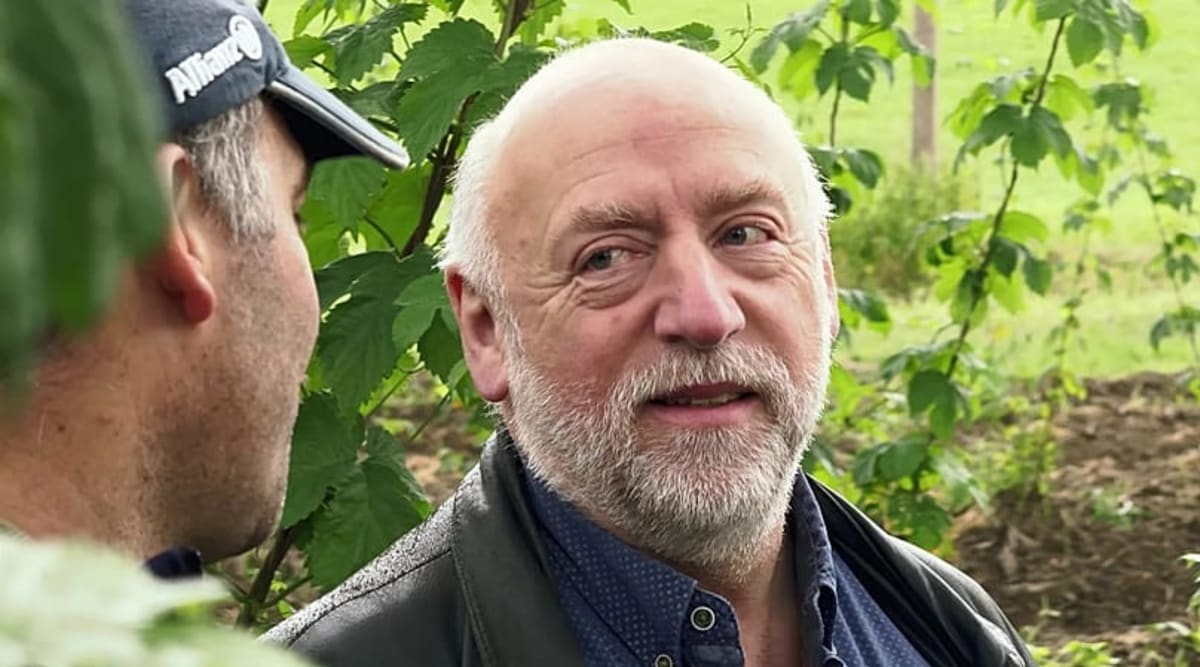
Former Airbus engineer Bernhard Gruber helped bring Wimmer's vision to life. The challenge was finding the perfect balance between shade for crops and sun exposure for energy production. Too much shade meant bushy shoots but fewer hop cones and lower yields.
After two years of adjustments, they cracked the code. The system now delivers excellent profits from both crops and clean energy.
The Ripple Effect
Wimmer's success is sparking hope across Bavaria's struggling hop country. Curious neighbors came first, then farmers from distant villages, then local officials, and finally ministers from Munich.
Now Wimmer is expanding the project to cover 20 hectares and adding a one-megawatt battery storage system. A five-kilometer power cable will connect his panels to the grid, letting him sell excess energy.
The biggest obstacle isn't technology or money. It's red tape. "Long approval procedures put farmers off," Gruber explains. "The bureaucratic effort is simply too great for many of them."
He's frustrated that approvals for agricultural solar move so slowly, especially for specialty crops like hops where the benefits are proven.
But the momentum is building. What started as one farmer's crazy idea is becoming a blueprint for climate-resilient agriculture across Germany's beer heartland.
Wimmer's farm stands as living proof that innovation and tradition can grow together, one shaded hop cone at a time.
##
More Images
Based on reporting by Euronews
This story was written by BrightWire based on verified news reports.
Spread the positivity!
Share this good news with someone who needs it