Bayreuth Festival Honors Jewish Artists Silenced by Nazis
Germany's famous Bayreuth Festival opened its 150th season with a powerful new tradition: remembering the Jewish musicians and artists murdered during the Holocaust. The Wagner family's festival is finally confronting its dark Nazi past while standing firm against rising antisemitism today.
The Bayreuth Festival, one of Germany's most prestigious opera events, just made history by centering its anniversary celebration around voices that were deliberately erased.
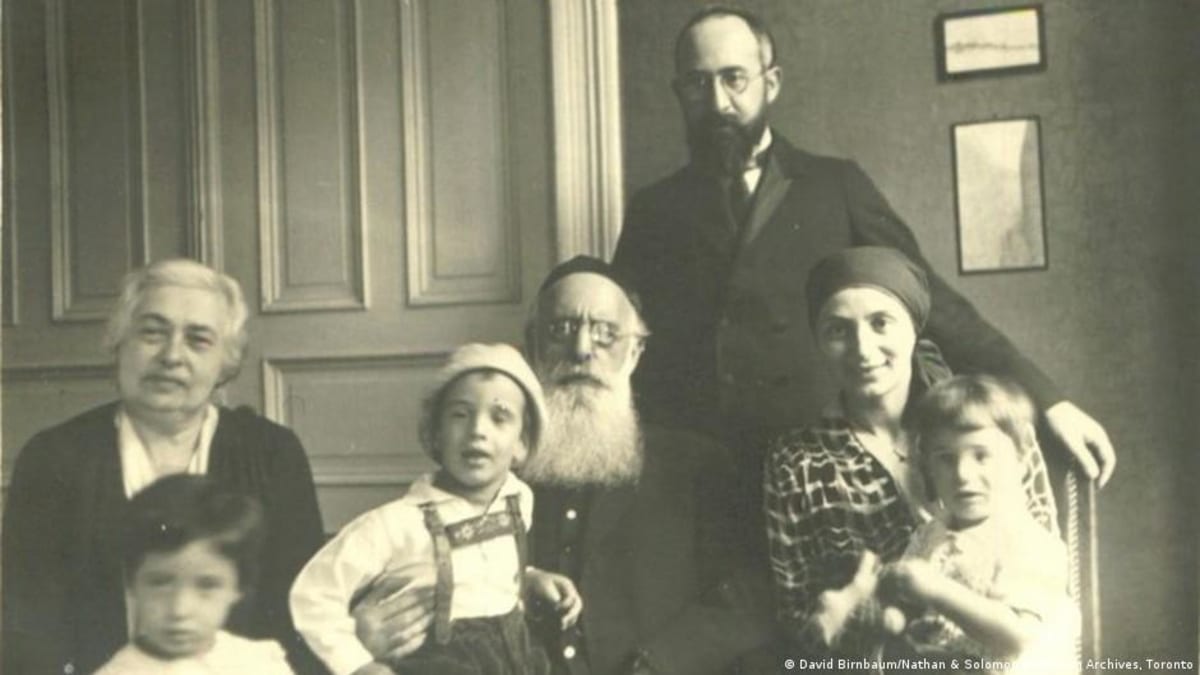
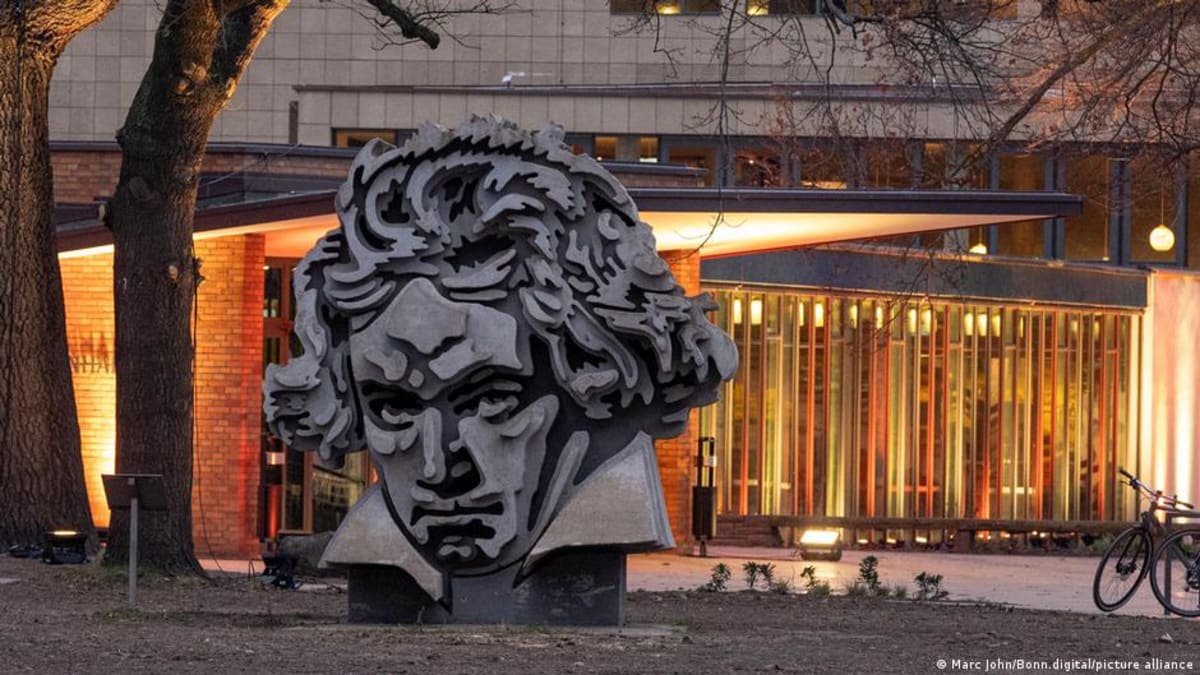
Memorial stones now stand in the festival park, right beside the bust of composer Richard Wagner. Each stone bears the name of a Jewish artist who worked at Bayreuth before being murdered or persecuted under Nazi rule. A cantor recited prayers as their names were read aloud during the opening weekend in late July.
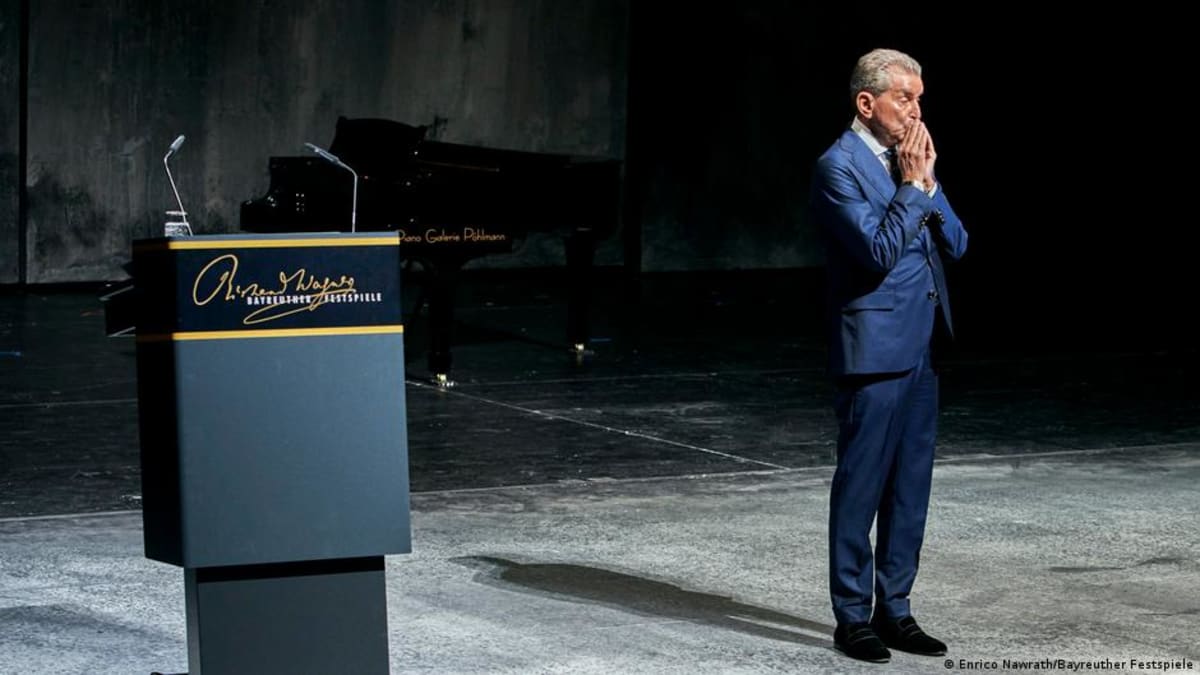
German-Jewish author Michel Friedman, whose family was nearly wiped out in the Holocaust, delivered a powerful speech inside the grand Festspielhaus. For over an hour, the 70-year-old writer challenged the audience to look beyond past failures and confront present dangers.
"My country, Germany, is a community defined by diversity, and diversity has once again become a concept that is under heavy attack," Friedman told the packed auditorium. He warned that democracy itself is threatened when people stay silent in the face of rising hatred.
Festival director Katharina Wagner, Richard Wagner's great-great-granddaughter, didn't shy away from her family's troubling history. The Wagner family maintained close ties with Adolf Hitler, and the festival served as a cultural showcase for the Nazi regime.
"Given my family's close ties to the Nazi regime, there is no better place than this Festspielhaus to say: No," Wagner declared. She spoke directly against antisemitism, racism, and nationalism threatening Germany today.
German Chancellor Friedrich Merz attended the ceremony alongside former Chancellor Angela Merkel and international guests. Inside, a massive mural by Hungarian artist Adam Heat greeted visitors, depicting 150 years of Bayreuth figures, including Hitler holding a cocktail glass.
Why This Inspires
This isn't just about looking backward. By placing Holocaust remembrance at the heart of its biggest celebration, Bayreuth is showing how cultural institutions can transform themselves. The festival could have focused solely on its artistic achievements. Instead, it chose to lead with moral reckoning.
Katharina Wagner is proving that honoring difficult truths doesn't diminish an institution. It strengthens it. The memorial stones standing beside Richard Wagner's bust send a clear message: history's victims will no longer be invisible, and today's threats won't be ignored.
The festival's 150th anniversary could have been pure pageantry. Instead, it became a model for how Germany's most prestigious cultural events can champion both remembrance and resistance against hatred.
More Images
Based on reporting by DW News
This story was written by BrightWire based on verified news reports.
Spread the positivity!
Share this good news with someone who needs it