B.C. Courts Advance Indigenous Rights in Landmark Rulings
Two groundbreaking British Columbia court decisions are strengthening Indigenous land rights and pushing the province closer to true reconciliation. The rulings affirm that Indigenous peoples have legally recognized claims to their ancestral territories after centuries of displacement.
After 180 years of colonial claims to British Columbia, courts are finally centering Indigenous voices in decisions about the land their ancestors stewarded for thousands of years.
Two recent court cases are reshaping how B.C. recognizes Indigenous rights. In Cowichan Tribes v. Canada, the B.C. Supreme Court declared that the Quw'utsun Nation has title to land in Richmond. In Gitxaala v. British Columbia, the Court of Appeal ruled that the province must align its mineral claims system with the United Nations Declaration on the Rights of Indigenous Peoples.
The cases build on decades of Indigenous-led activism. The 1981 Constitution Express saw First Nations mobilize across Canada and Europe, leading to Section 35 of the Constitution, which affirmed Aboriginal title and rights for the first time. Movements like Idle No More and the Truth and Reconciliation Commission continued pushing for recognition.
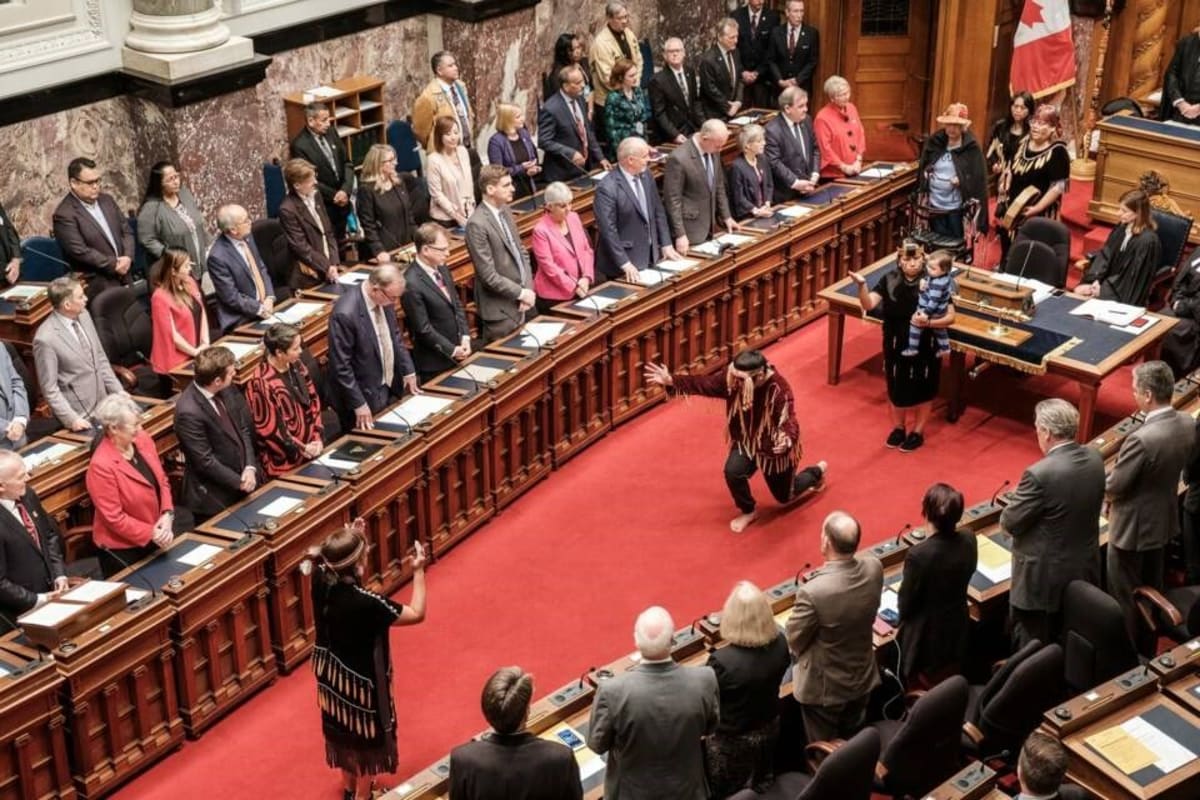
In 2019, B.C.'s legislature unanimously passed the Declaration on the Rights of Indigenous Peoples Act, promising to align provincial laws with Indigenous rights. The act represented a major step forward, committing the government to work with Indigenous peoples on all decisions affecting their lands.
These recent court decisions are now giving DRIPA real teeth. They're reminding the province that reconciliation isn't just symbolic. It requires concrete action to respect Indigenous title and rights that existed long before the 1846 Oregon Treaty claimed these territories for Britain and America.
Why This Inspires
At the time of the Oregon Treaty, an estimated 300,000 Indigenous people lived north of what became the Canadian border. Only a few hundred settlers had arrived. Yet the treaty treated the land as empty, never consulting the nations who had governed these territories for millennia.
The current legal victories represent a profound shift. Courts are rejecting the colonial fiction that these lands belonged to no one. They're affirming what Indigenous peoples have always known: their connection to these territories predates and supersedes colonial claims.
These rulings create a path toward genuine reconciliation, one that acknowledges historical injustices while building a more equitable future where Indigenous rights are protected under law.
The journey from colonial dispossession to legal recognition has taken generations of Indigenous activism, but courts are finally catching up to what justice has always required.
Based on reporting by Google News - Reconciliation
This story was written by BrightWire based on verified news reports.
Spread the positivity!
Share this good news with someone who needs it