Beach Cleanup Saves 10,000 Litter Pieces and Rare Turtle
Volunteers at a South Carolina beach cleanup removed over 10,000 pieces of trash in two hours and rescued one of the world's most endangered sea turtles. The young Kemp's ridley turtle had been hooked by fishing line but was freed and released safely.
When hundreds of volunteers gathered at Folly Beach, South Carolina for their annual spring cleanup, they expected to find trash. What they didn't expect was saving a life.
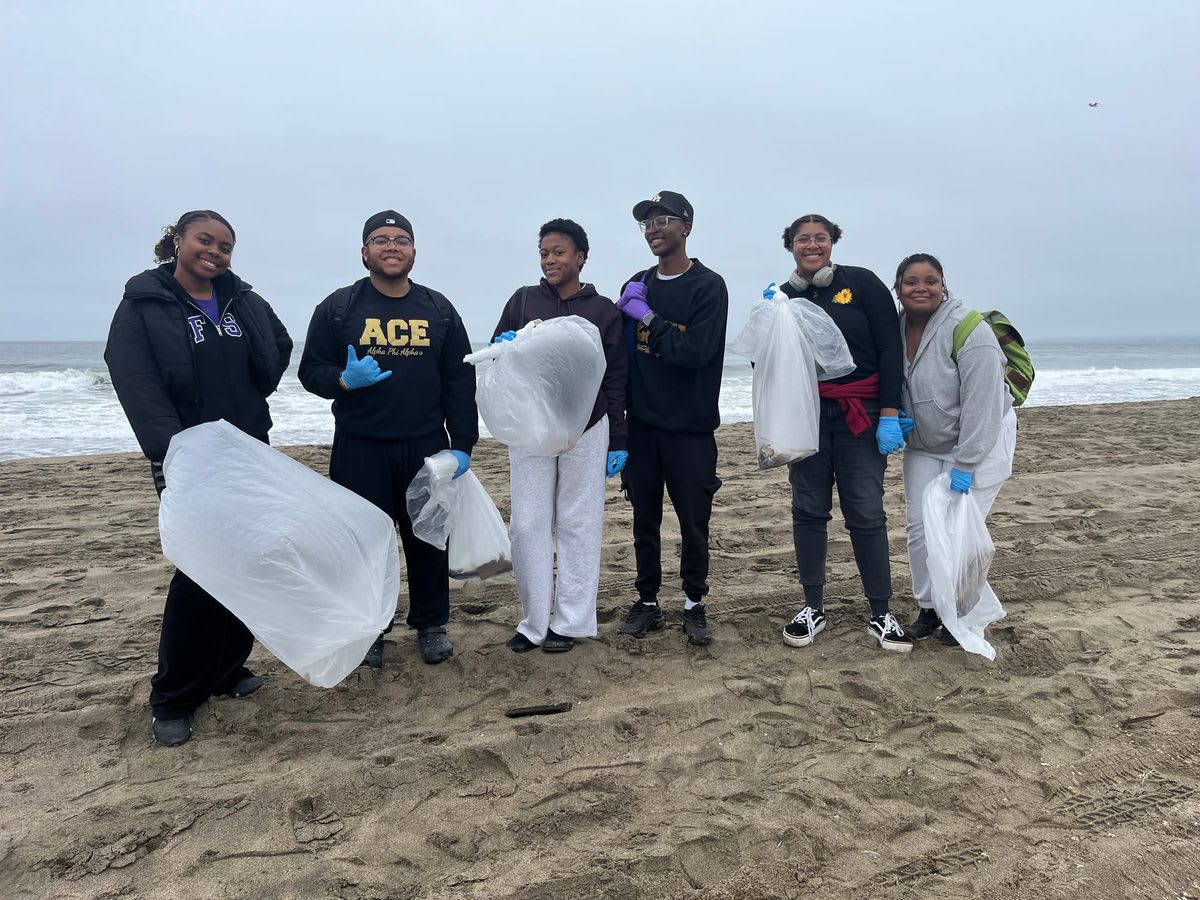
On April 12, the community came together for Toby's Earth Month Island-Wide Spring Litter Sweep. Emerson Reece drove two and a half hours just to be there on time. "An important part of being a member of the community is to come down and help out," he told local news.
The volunteers collected over 10,000 pieces of trash in under two hours. But the real headline came when they spotted something struggling in the water.
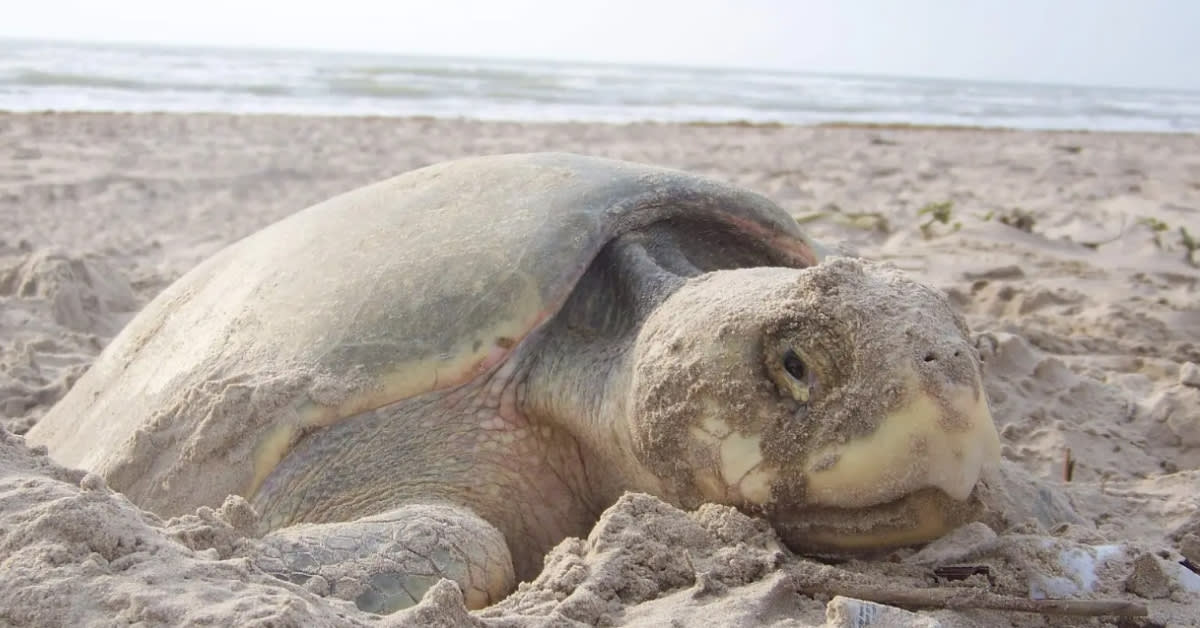
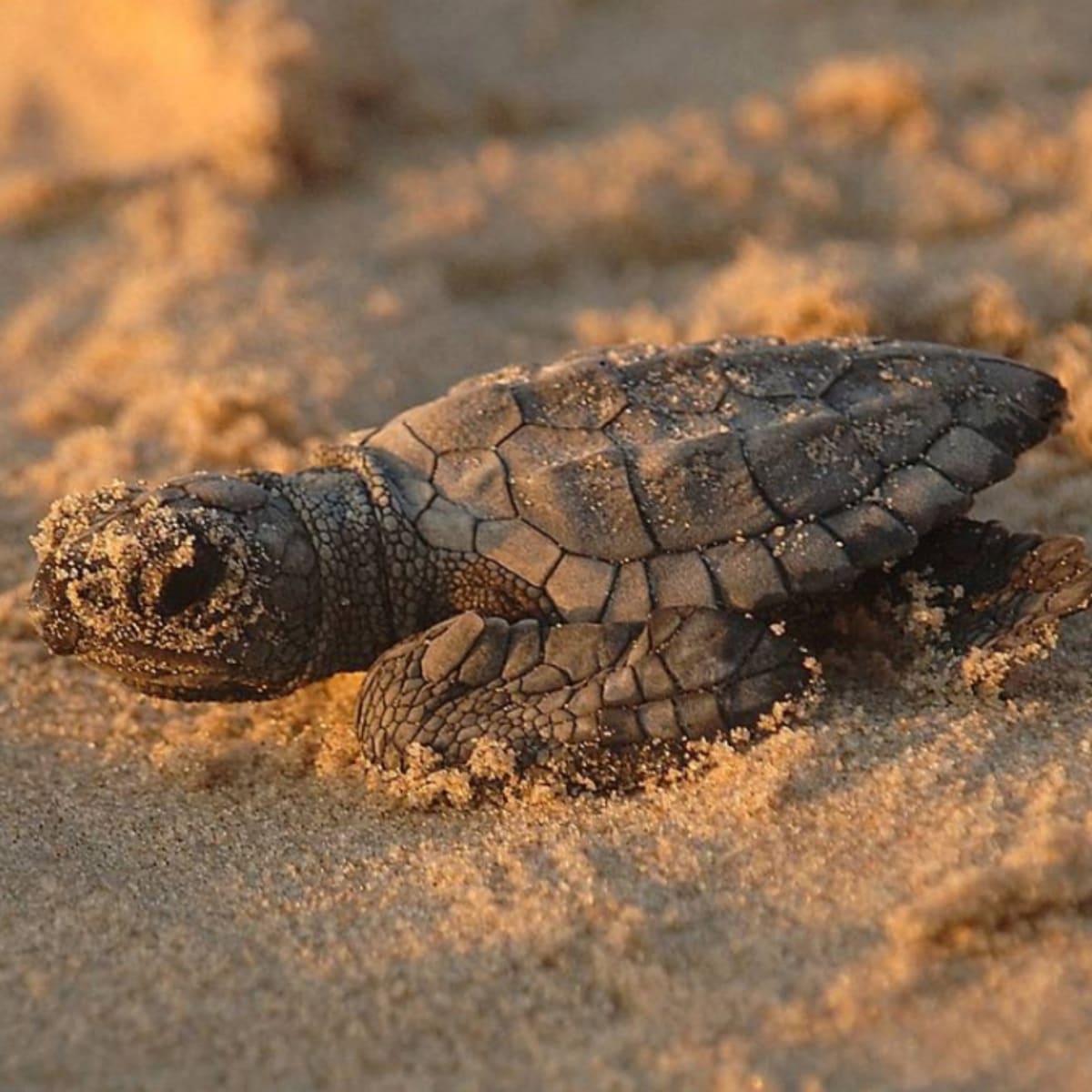
A young Kemp's ridley sea turtle was fighting against a fishing hook lodged in its mouth. This species is the smallest and most endangered of all seven sea turtle species in the world. They rarely nest in South Carolina, preferring the beaches of the Gulf of Mexico where they gather in large groups to nest during daylight hours.
Dave Miller from Folly Beach Turtle Watch explained this was their first stranding of the season. The rescue team quickly raised the turtle using a drop net, and fortunately, the hook dislodged on its own.
Miller used the moment to educate beachgoers about proper protocol. If a fisherman hooks a sea turtle, they shouldn't try to remove it themselves. Instead, cut the line and leave several feet attached so veterinarians can safely locate and remove any swallowed hooks.
The Ripple Effect
The rescue highlights a growing problem. Just a week earlier, another Kemp's ridley was found on Mustang Island, Texas with a fishing hook fragment in her trachea. Specialists at the University of Texas at Austin successfully removed it through endoscopy.
Andrew Orgill, who supervised that rescue, calls discarded fishing gear "ghost gear." It causes deep cuts, flipper amputations, and makes it impossible for turtles to swim properly. The solution is simple: leave the beach cleaner than you found it.
Sarah Butler, executive director of Waves 4 Women, summed up why these cleanups matter. "What we do is born of our love for the ocean and our love for the environment. If we're not good stewards of it, then it's not going to be here for us."
Volunteer Vanessa Oltman, speaking through mascot Toby the Turtle, reminded everyone that coexistence is essential. Teaching children early about picking up litter ensures these rare creatures have a fighting chance.
One beach, one cleanup, 10,000 pieces of trash removed, and one precious life saved.
More Images

Based on reporting by Google News - Ocean Cleanup
This story was written by BrightWire based on verified news reports.
Spread the positivity!
Share this good news with someone who needs it