Bean Roots' New Cell Could Help Crops Survive Drought
Scientists discovered microscopic "hooked hairs" on bean roots that help seedlings survive their most vulnerable days by mining nutrients and conserving water. This breakthrough could lead to crops that need less water and fertilizer in our changing climate.
University of Arizona researchers have found a survival superpower hiding in plain sight on common bean roots, and it could reshape how we grow food in a warming world.
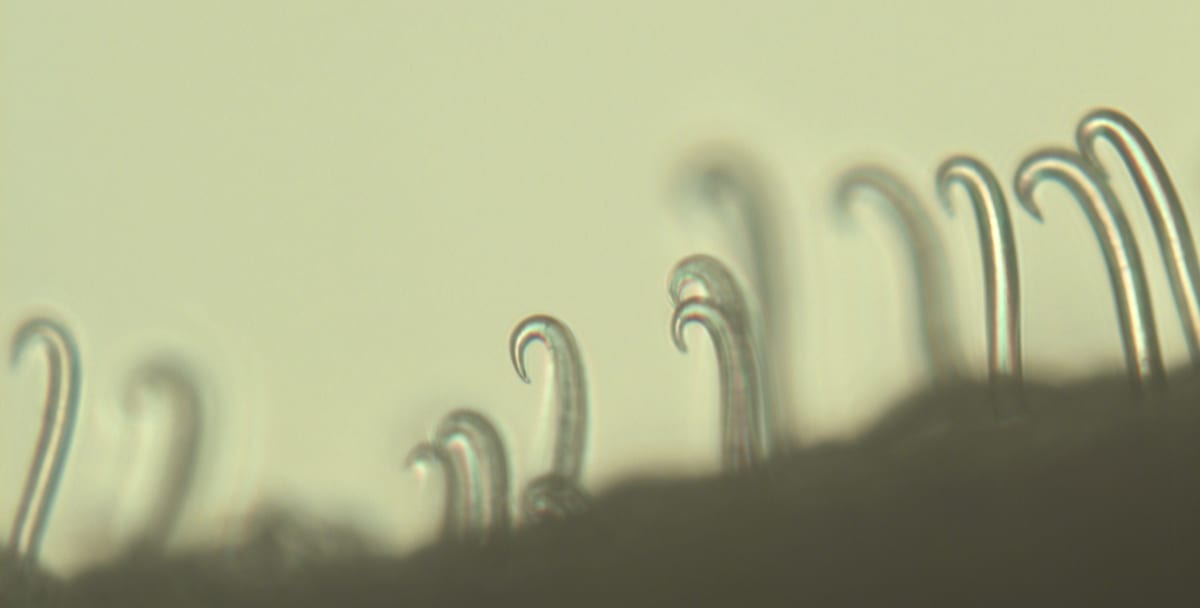
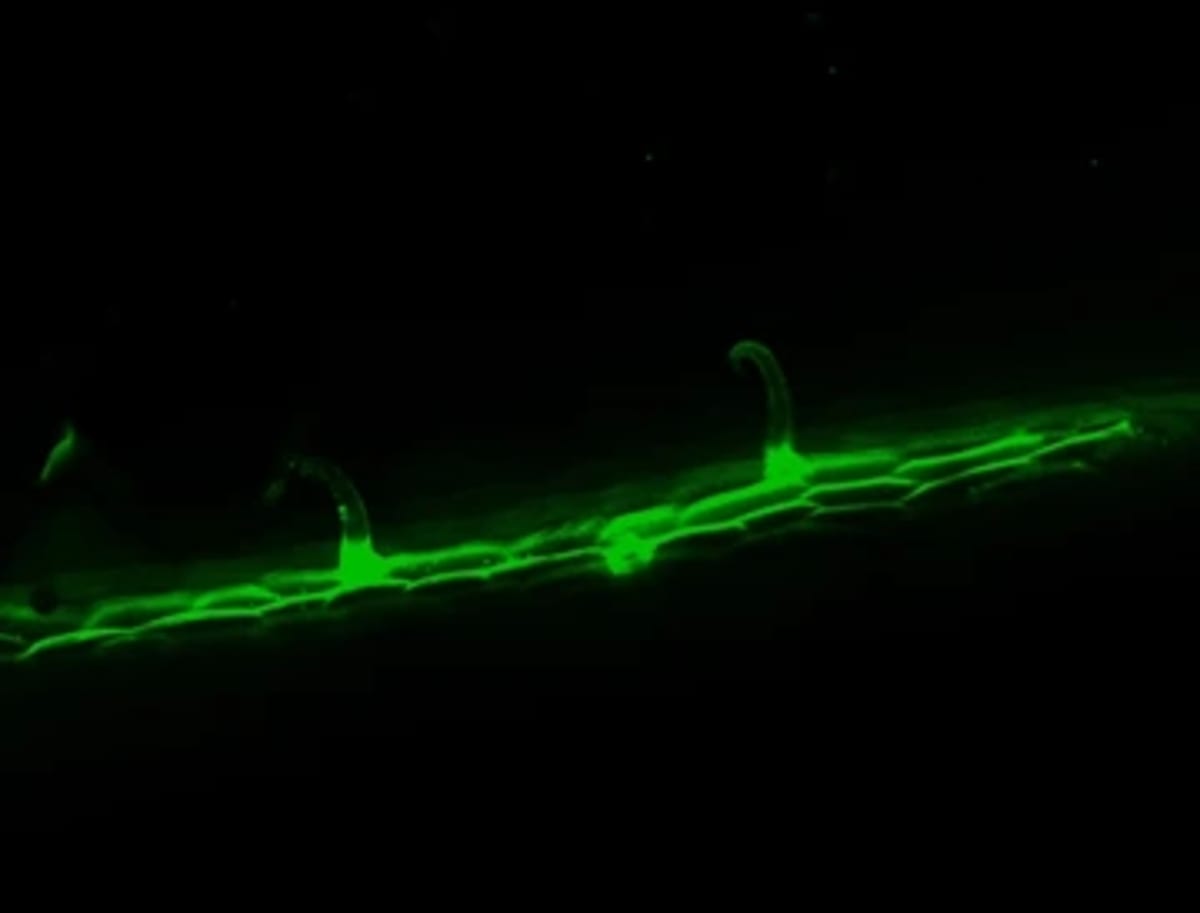
The team discovered a previously unknown cell type called "hooked hairs" that emerge within three days of planting. These tiny, pointed structures act as a seedling's emergency survival kit during its most dangerous phase.
Young plants face their greatest risk in the first week after germination, when drought, pests, and nutrient-poor soil can wipe them out before their mature root systems develop. Farmers typically lose 5 to 20 percent of seedlings during this critical window, a loss that hits harder as droughts intensify.
For over a century, scientists missed these specialized cells because soil acts like an iron curtain that disrupts standard imaging technology. Alexander Bucksch, the study's senior author and an associate professor at the University of Arizona, solved this problem by creating custom software called DIRT/μ that can detect microscopic root structures despite distorted imaging conditions.
What the team found challenges biology textbooks. Instead of living off stored seed reserves for weeks, these hooked hairs start pulling phosphorus and nitrogen from soil almost immediately. They also produce a waxy coating that seals in moisture when soil temperatures soar.
The discovery matters because common beans, which include green beans and dried varieties like pinto and black beans, are among the world's most important protein sources. Global production reached 28.9 million metric tons in 2024 alone.
These hooked hairs differ completely from regular root hairs at the genetic and molecular level. They contain an irreversible suberin pathway that creates their protective coating, proving they're a distinct cell type rather than just a temporary growth stage.
The Ripple Effect
The pointed hooks may serve another purpose beyond water and nutrient management. Above ground, similar structures called trichomes defend plants against aphids. Researchers suspect underground hooked hairs might latch onto and kill harmful nematodes, which cause massive crop losses worldwide.
This research opens doors to breeding crops that establish faster in harsh conditions and need less fertilizer. Understanding how plants naturally defend themselves during their most vulnerable days could help farmers reduce both water use and chemical inputs as climate pressures mount.
The study, published in Science Advances, combined single-cell sequencing with advanced imaging to bridge visible roots and microscopic survival mechanisms. Sergio Alan Cervantes Pérez, who led the bioinformatics analysis, emphasized that identifying cell types requires looking at both genetics and physical characteristics together.
Scientists have been looking at bean roots for generations, but it took new tools and fresh perspectives to see what was there all along.
More Images



Based on reporting by Google News - Scientists Discover
This story was written by BrightWire based on verified news reports.
Spread the positivity!
Share this good news with someone who needs it