Bolivia's Fuel Crisis Sparks 570% Surge in Electric Cars
When gas shortages and contaminated fuel pushed prices sky-high, Bolivians turned lemons into lemonade by switching to electric vehicles. What started as a crisis became an unexpected green revolution in one of South America's highest cities.
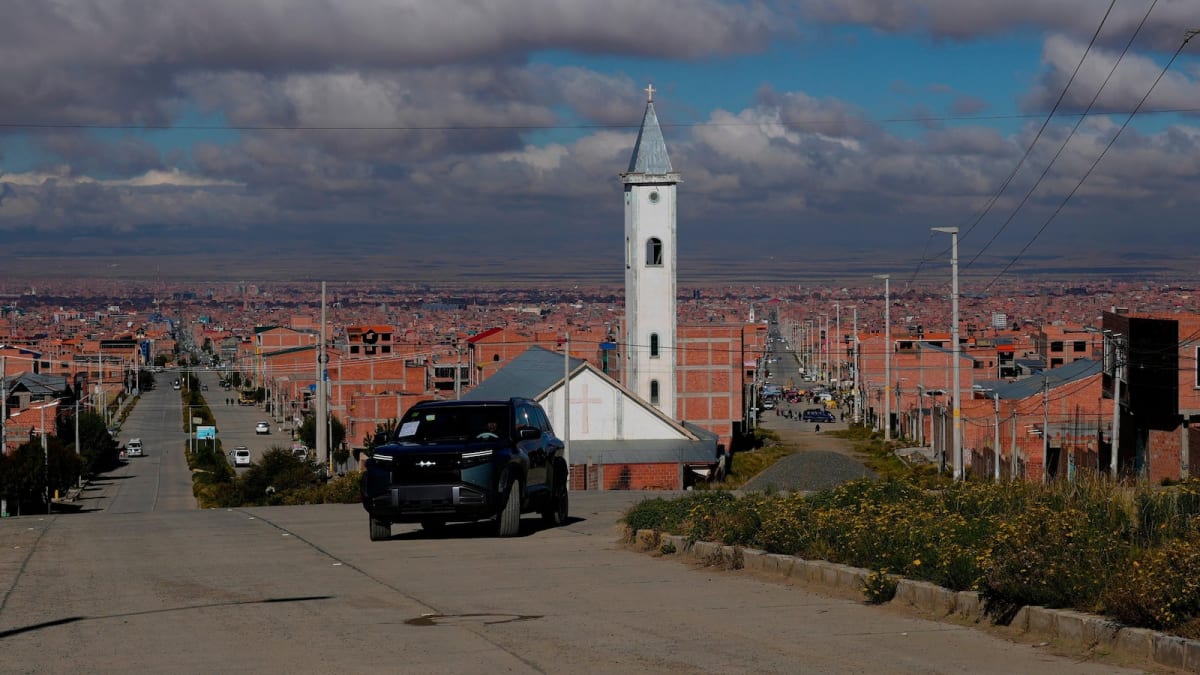
Simón Huanca got tired of waiting in endless gas lines and watching prices double, so he did something unexpected: he bought an electric car.
The 53-year-old Indigenous artisan now drives his Chinese-made electric vehicle through El Alto, Bolivia's highest city, transporting his family and alpaca wool for his weaving business. He installed a charger in his garage and hasn't looked back.
Huanca is part of a surprising trend. Over the past five years, electric vehicle ownership in Bolivia jumped from just 500 to 3,352 cars, a 570% increase. The most dramatic growth happened in the last two years, right when the country's fuel crisis hit hardest.
Bolivia imports 80% of its diesel and 55% of its gasoline, and by 2023, the country ran out of foreign currency to keep buying fuel at international prices. The government had been subsidizing fuel costs by $2 billion annually, selling imported gas at half its actual value.
When new President Rodrigo Paz ended the subsidy in December, prices nearly doubled overnight. Then came what locals called the "junk gasoline" scandal, when contaminated fuel started damaging vehicles across the country.
For lawyer Ever Vera, 54, that was the final straw. He invested $36,000 in an electric vehicle and says he no longer wastes hours hunting for fuel or paying for constant repairs.
The Ripple Effect
The electric vehicle boom is creating unexpected opportunities across Bolivia. Electrician Marcelo Laura, 38, spotted a new business niche a month ago: installing residential and commercial charging stations for the growing fleet of EVs.
"A year ago, I thought it was practically impossible that people would actually be bringing in electric cars," he said. Now he can barely keep up with demand, even though the entire metropolitan area of La Paz and El Alto, home to 1.6 million people, only has three public charging stations.
President Paz eliminated import tariffs on all automobiles, making it easier for competing importers to bring affordable electric vehicles from China and the United States into Bolivia. The move transformed what was an expensive luxury into an increasingly accessible option.
Electromobility expert Freddy Koch from nonprofit organization Swisscontact predicts the number of electric vehicles could triple within two to three years. While wealthier Bolivians are leading the charge now, he expects broader appeal as prices continue dropping and infrastructure improves.
What started as a fuel shortage crisis is becoming an accidental environmental victory for the South American nation of 12 million people.
More Images



Based on reporting by Google News - Electric Vehicle
This story was written by BrightWire based on verified news reports.
Spread the positivity!
Share this good news with someone who needs it