Beavers Build 35-Meter Dam, Transform Dorset Wildlife
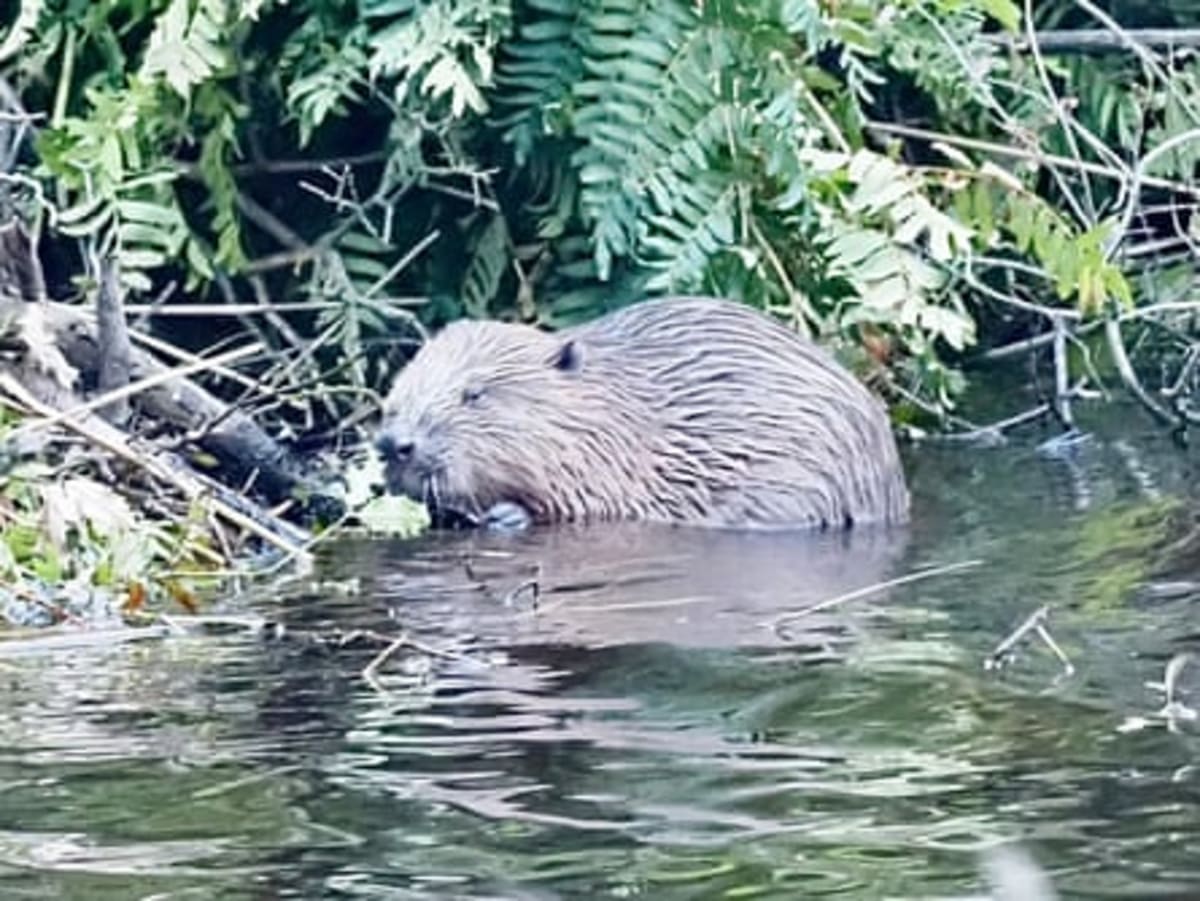
One year after being reintroduced to England following 400 years of extinction, beavers in Dorset have built a massive dam, created thriving wetland habitats, and may welcome their first babies this summer. Their engineering work is reshaping the landscape and bringing new life to the ecosystem.
A pair of beavers released into the wild in Dorset one year ago have transformed dense woodland into a light-filled wetland teeming with new life.
The National Trust's pioneering reintroduction project marks the first official return of beavers to England since they were hunted to extinction 400 years ago. Two pairs were released into Little Sea, a freshwater lake on the Isle of Purbeck in Dorset, with hopes they'd settle into their new home.
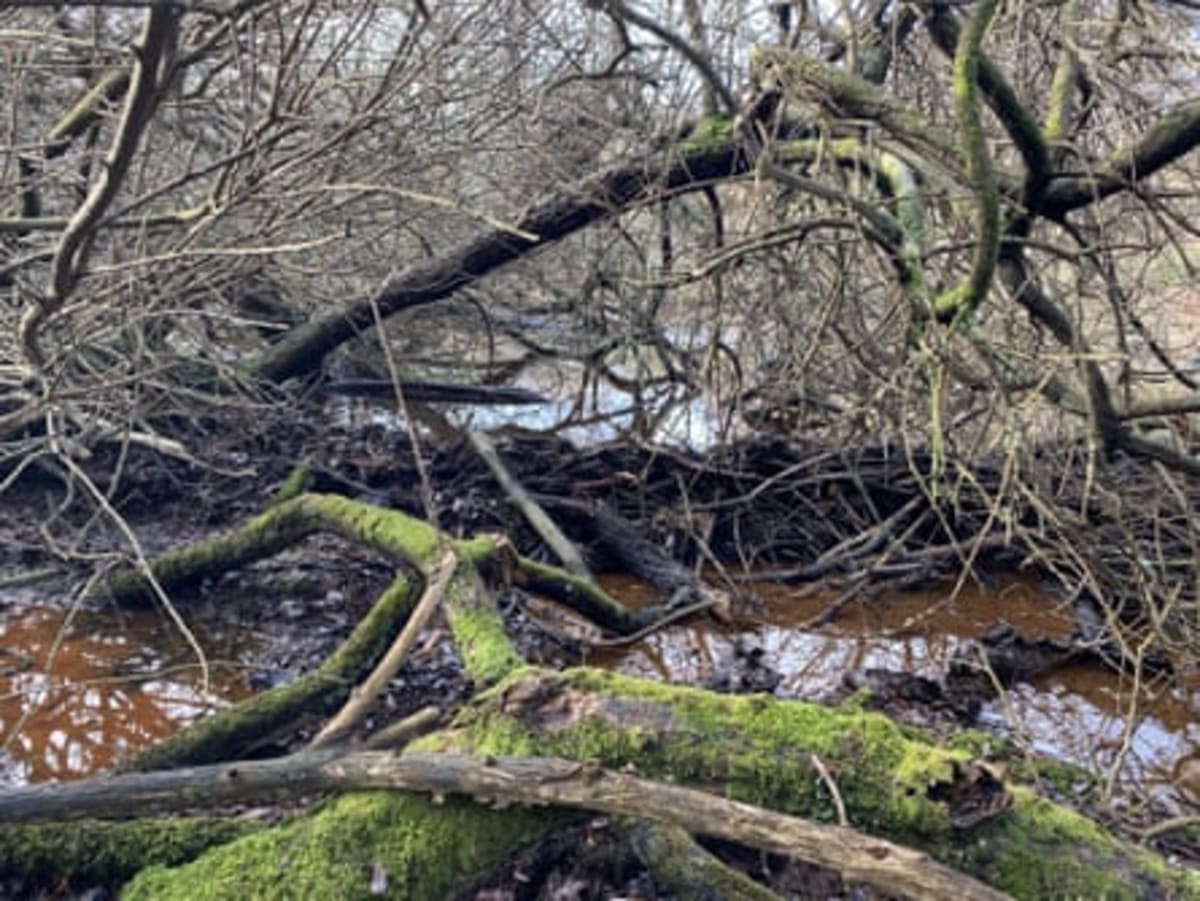
The western pair didn't disappoint. They've felled trees to construct an impressive 35-meter dam, slowing the flow of a stream and creating a deep pool that's become a magnet for wildlife.
Trail cameras have captured otters fishing in the new pond and barn owls hunting there. Volunteers have spotted rare birds including redpolls and water rails that weren't previously seen in the area.
By cutting down trees, the beavers have opened up the canopy and allowed more sunlight to reach the forest floor. This simple change has improved habitats for plants, insects, amphibians, birds, and bats across the ecosystem.
The journey hasn't been entirely smooth. The western female initially wandered away to the seaside town of Swanage several miles away, possibly swimming across Swanage Bay, before being safely returned.
Sadly, the male from the eastern pair was found dead in Swanage Bay, likely from salt water poisoning. His female partner hasn't been spotted recently.
The Ripple Effect
But the surviving western pair seems to have finally settled down. Trail cameras caught them mating, a sign they've made peace with their new home and could produce kits this summer.
Gen Crisford, the National Trust's wetlands project officer, says the transformation has been astonishing. From tangled woodland to an airy wetland full of life, the change happened in just one year.
The beavers' dam may also be preventing flooding on a nearby road by slowing the stream's flow during heavy rain. What started as a wildlife project could provide practical benefits to the local community.
The pair joined another family of beavers that mysteriously appeared at Little Sea a few months before the official release. That family has already raised three kits and built two large lodges on opposite sides of the 82-acre lake.
Ben McCarthy, head of nature conservation at the National Trust, says the project shows how political action can create real ecological recovery in a remarkably short time. The project allows for releasing 10 to 25 adult beavers, with the next release planned for autumn.
One year in, these industrious engineers are proving that bringing back lost species can breathe new life into our landscapes.
More Images

Based on reporting by Guardian Environment
This story was written by BrightWire based on verified news reports.
Spread the positivity!
Share this good news with someone who needs it