Cameroon Uses Stories to Save Endangered Royal Animals
In western Cameroon, scholars are combining literature and community workshops to protect sacred animals that tradition demands be killed. The innovative approach is creating new visions for species like leopards, lions, and the critically endangered Bannerman's turaco.
In western Cameroon, ancient tradition creates a heartbreaking paradox: the animals most revered by indigenous kingdoms are the very ones custom demands be killed.
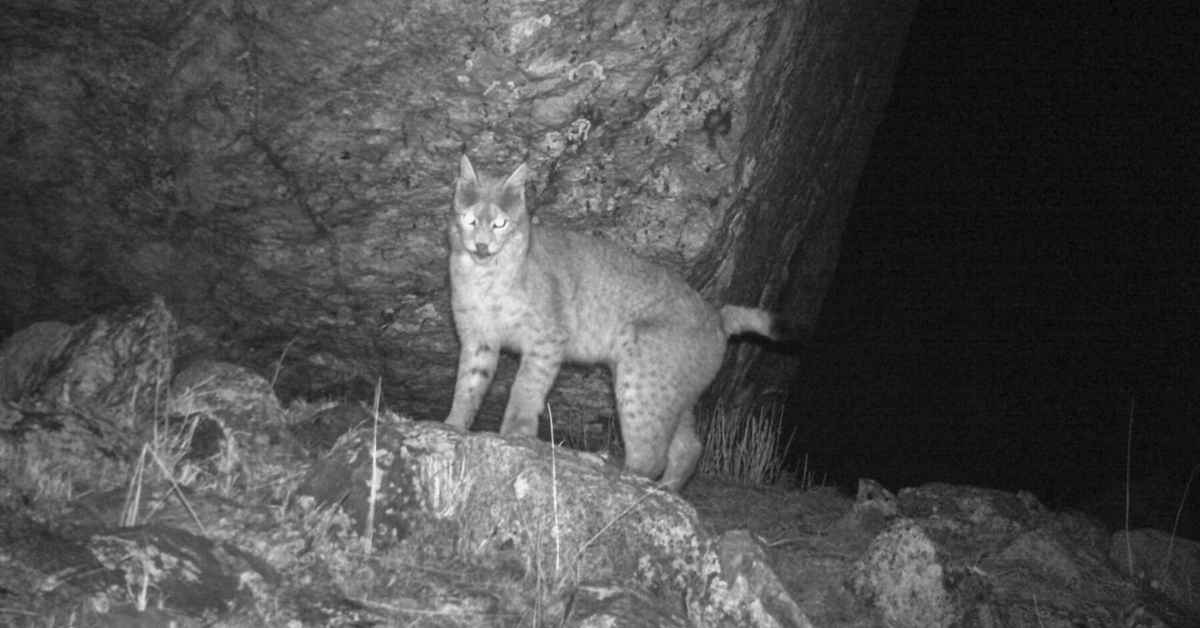
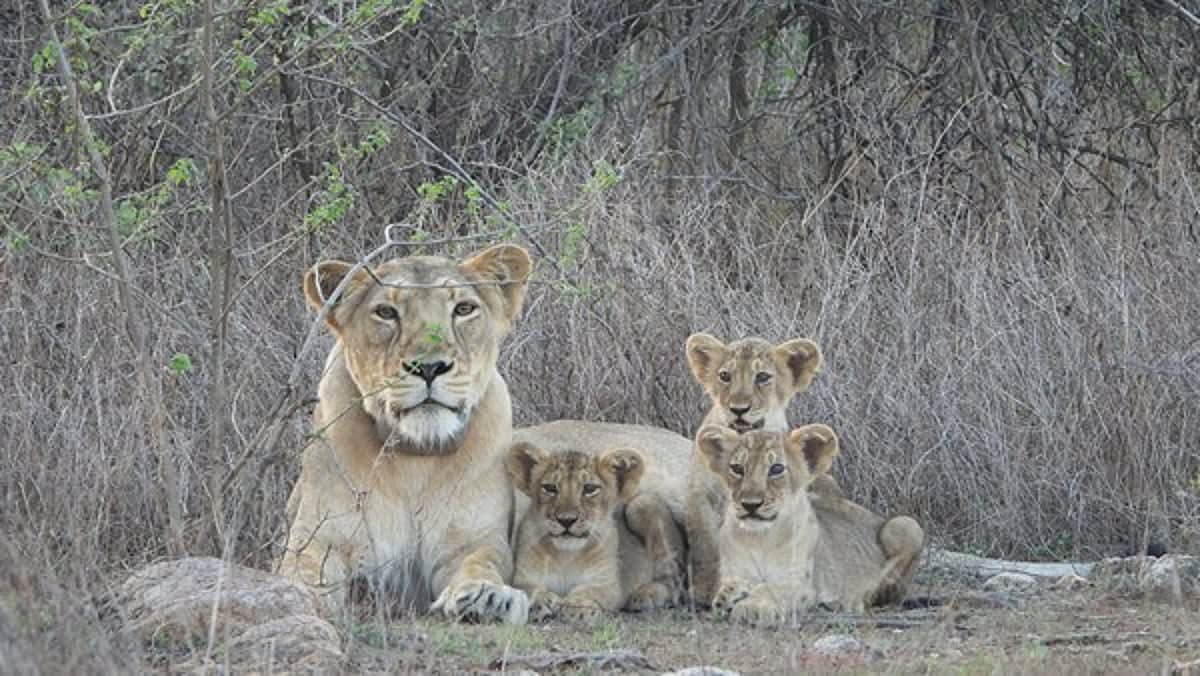
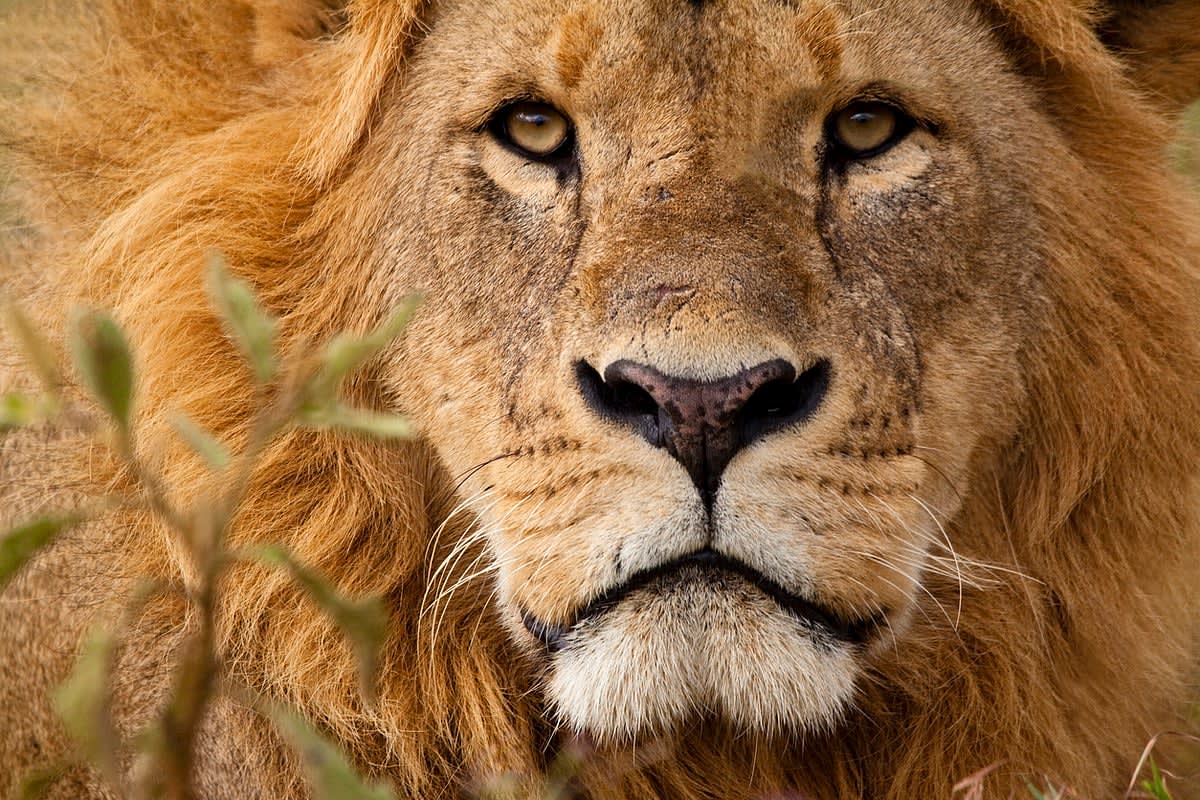
Leopards, lions, elephants, and the brilliantly colored Bannerman's turaco hold deep spiritual significance in the grasslands and highlands of the region. Their feathers adorn warriors, their pelts distinguish royalty, and their names serve as praise for kings. But when hunters find these sacred creatures, they must kill them and present them to the palace as tribute.
Now scholar Kenneth Nsah Mala is pioneering a creative solution that doesn't lecture about conservation but instead invites people to imagine a different future. He's using storytelling and community workshops to gently challenge traditions that have pushed most of these species to the brink of extinction.
The approach draws on novels and plays by Cameroonian authors that reimagine human relationships with wildlife. In one story, a young man named Lukong helps capture a lion, but his father sets the animal free just before a royal ceremony. These narratives plant seeds of possibility without attacking cultural values.
Mala then brings these stories into participatory foresight workshops, where over 30 people from wildly different backgrounds gather to envision new futures. Teachers sit alongside indigenous kings, farmers discuss with filmmakers, and nurses collaborate with environmental scientists.
Why This Inspires
What makes this approach remarkable is its respect for cultural wisdom while gently opening doors to change. Rather than outsiders imposing Western conservation values, community members themselves are crafting solutions that honor their heritage while protecting vanishing species.
The workshops use current challenges like climate change and biodiversity loss as starting points, but focus on hope rather than doom. Participants explore what motivates change, identify historical barriers, and collectively propose practical policy solutions that could work within their cultural framework.
The stakes are high for these animals. Most royal and sacred species in the region are either locally extinct or critically endangered, appearing on the International Union for Conservation of Nature's red list. The Congo Basin, which includes Cameroon, is a biodiversity hotspot where thousands of species exist, with 30 percent found nowhere else on Earth.
Traditional conservation efforts often fail when they clash with cultural practices, especially those tied to spiritual beliefs and royal authority. This is why Mala's literary and participatory approach feels revolutionary. It meets people in their own cultural context through stories they already tell themselves.
The Bannerman's turaco, with its spectacular red feathers used to distinguish warriors, exemplifies the challenge. This bird is critically endangered, yet its cultural importance makes protection complicated. Workshop participants are now exploring how to honor warriors without requiring turaco feathers, perhaps developing alternative symbols of bravery that carry equal cultural weight.
The workshops also tap into something powerful: the creative imagination of artists, musicians, and writers working alongside scientists and policymakers. This blend of analytical thinking and creative vision generates solutions that purely technical approaches might miss.
While this project is still developing, it represents a growing movement in conservation science that recognizes indigenous knowledge and cultural practices as assets rather than obstacles. The Congo Basin faces accelerating biodiversity loss, but community-led solutions like these offer genuine hope for both wildlife and cultural preservation.
The workshops continue in Yaoundé, with plans to expand to other kingdoms across western Cameroon, each adapting the approach to local traditions and endangered species.
Based on reporting by Google: species saved endangered
This story was written by BrightWire based on verified news reports.
Spread the positivity!
Share this good news with someone who needs it