Beavers Return to Cornwall After 500 Years, Slow Floods
Four pairs of beavers released in Cornwall are already building dams that could protect villages from flooding. The furry engineers disappeared 500 years ago, but they're now reshaping rivers and creating wetlands across southwest England.
After vanishing from Britain's landscape half a millennium ago, beavers are back in Cornwall and they're already getting to work protecting communities from floods.
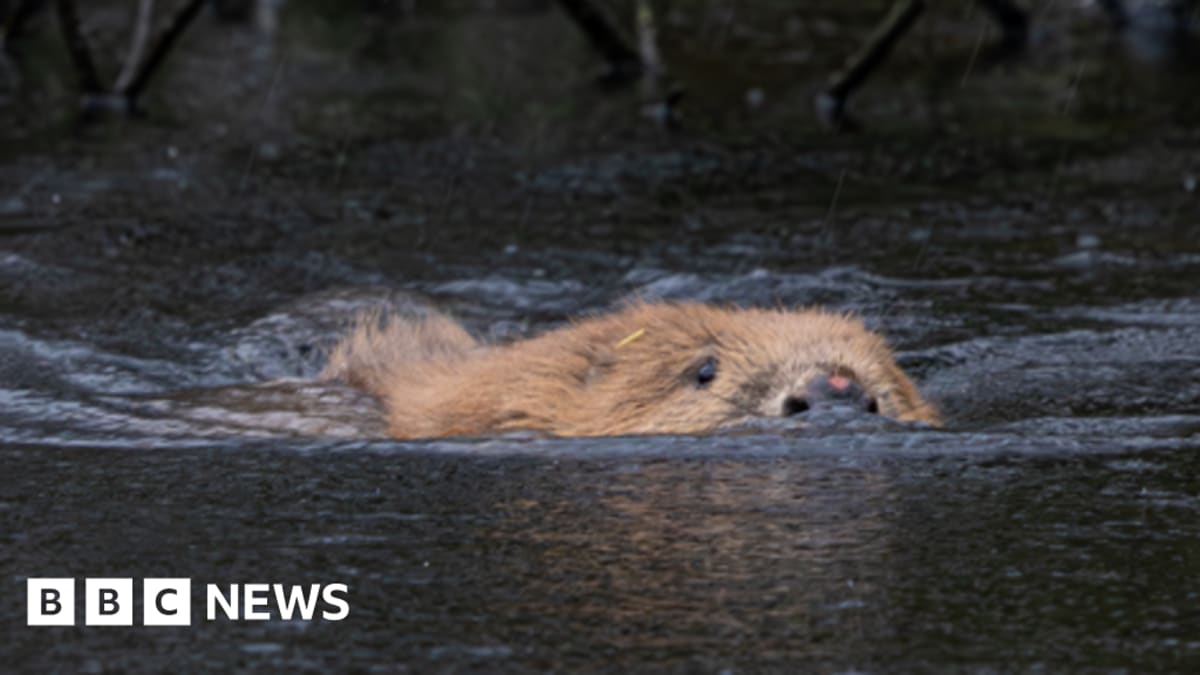
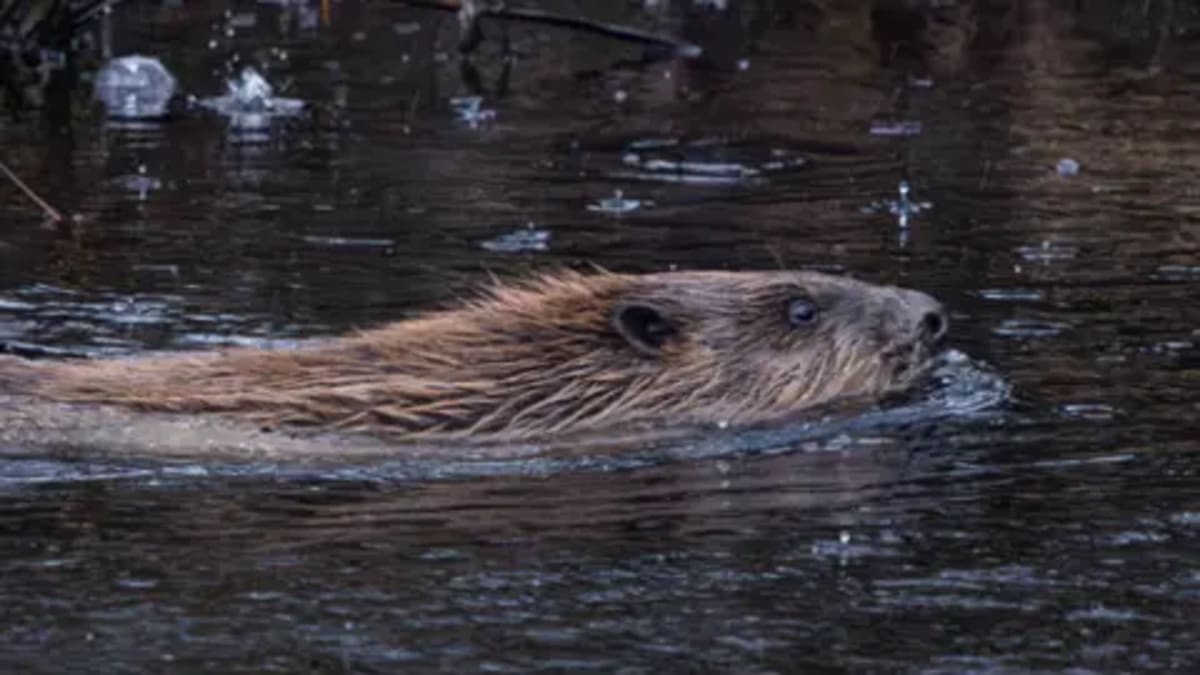
Cornwall Wildlife Trust released four pairs of beavers into the Par and Fowey river catchment in February, marking the region's first fully licensed wild beaver release. Within weeks, two of the animals paired up and started building their first dam.
The release sites were carefully chosen for their flood risk potential. The Par area faces regular flooding threats, making it an ideal place for nature's original water managers to do what they do best.
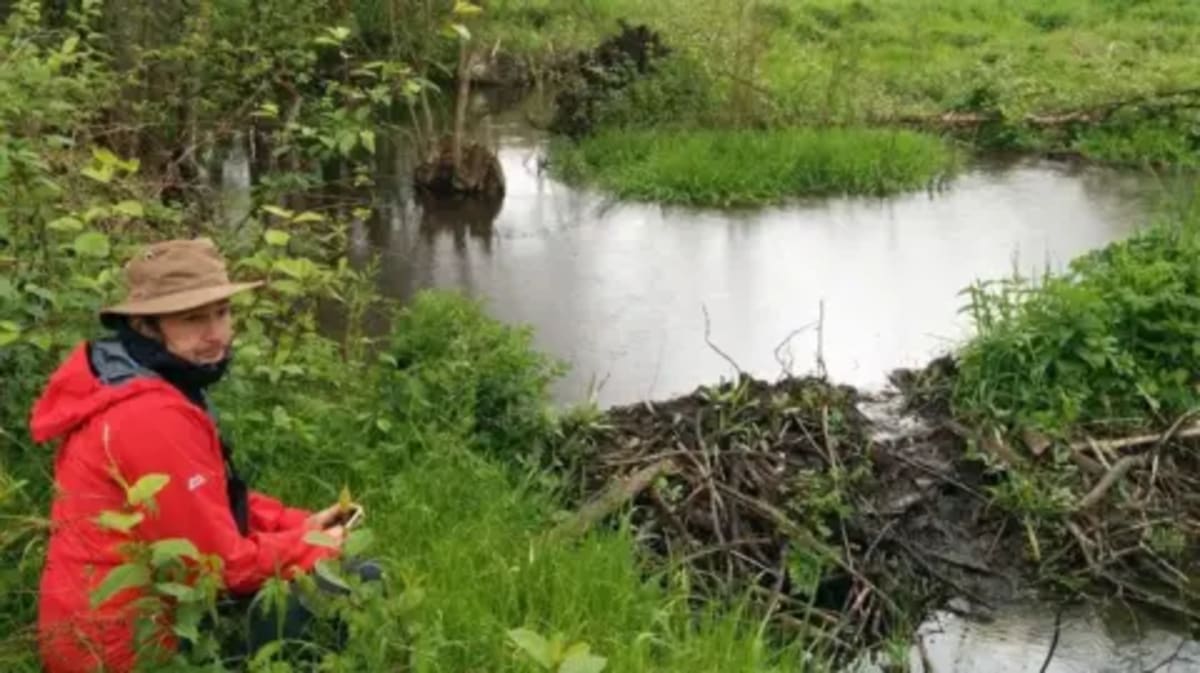
Beavers reshape waterways through their dams, ponds, and burrows, slowing water flow and creating wetlands that store carbon and support wildlife. Their engineering creates natural flood defenses right where they're needed most: at the top of river systems where heavy rain first falls.
Professor Richard Brazier, a hydrologist at the University of Exeter, has been tracking beaver impacts for years. His research on Devon's River Otter project, which ran from 2015 to 2020, shows villages like East Budleigh experiencing less flooding since beavers returned.
"They create wonderful systems of ponds which store water, often right at the top of catchments," Brazier explains. "The water flows down through the catchments more slowly. It doesn't occupy the floodplains where certain villages have been built."
The evidence keeps building. Another mature beaver site downstream of the Forest of Dean shows multiple dams reducing flood peaks during heavy storms.
Devon's original trial started with just two family groups in 2015. By 2020, an estimated 15 families lived along the catchment. Today, Brazier believes hundreds of beavers now call the region home, and they're allowed to expand into neighboring areas.
The Ripple Effect
The beaver comeback represents more than flood protection. These animals are restoring natural processes that disappeared when they were hunted to extinction centuries ago.
Since 2022, beavers have held European Protected Species status, recognizing them as native British wildlife. This legal protection ensures their populations can grow and spread naturally.
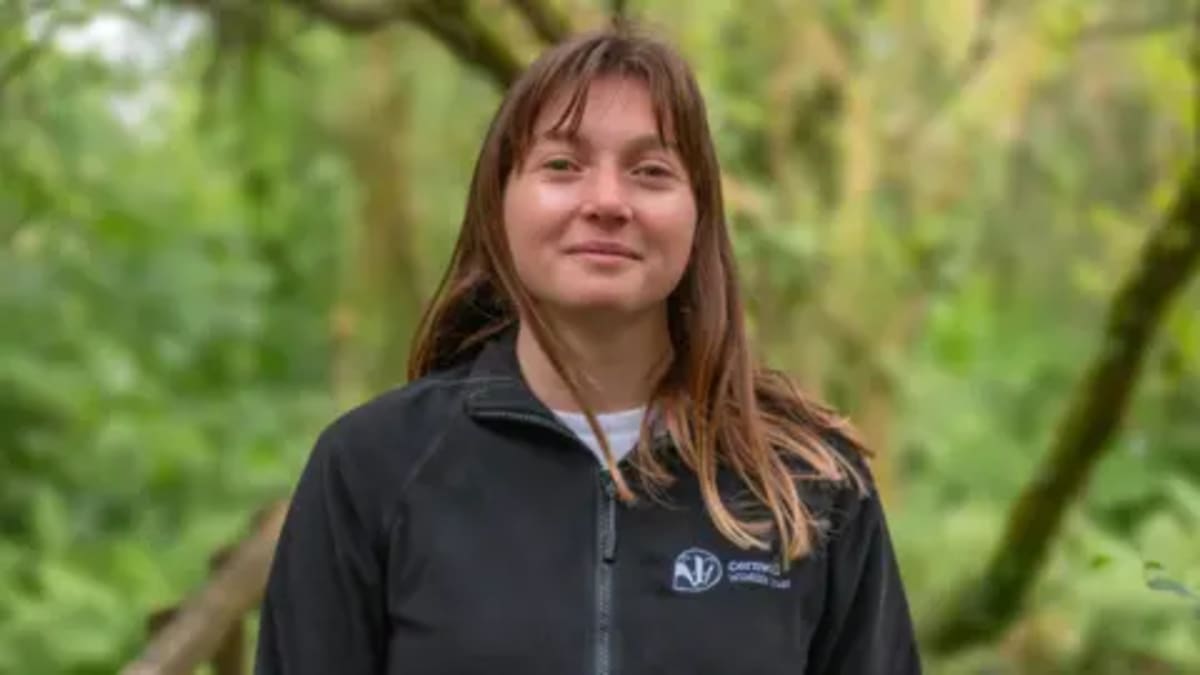
Cornwall's beaver officer Lauren Jasper says it's too early to predict long-term impacts, but the signs look promising. As the 10-year project develops, she expects beaver families to spread throughout the catchment, building more dams and creating more wetlands.
The animals are teaching humans important lessons about living with extreme weather. Beavers evolved to handle flash floods and summer droughts, building resilience through natural engineering that modern communities can learn from.
Not everyone welcomes the changes immediately. Felled trees and rising water levels can surprise landowners unused to seeing these natural processes at work. But Brazier insists the challenges come with solutions and are manageable.
Natural England only approves wild releases where beavers support clear positive outcomes like flood management, water quality improvement, or habitat restoration. Cornwall Wildlife Trust spent months surveying sites, modeling impacts, and working with communities before receiving approval.
The beavers settling into their new Cornwall home represent nature's way of building back better.
More Images
Based on reporting by BBC Science
This story was written by BrightWire based on verified news reports.
Spread the positivity!
Share this good news with someone who needs it