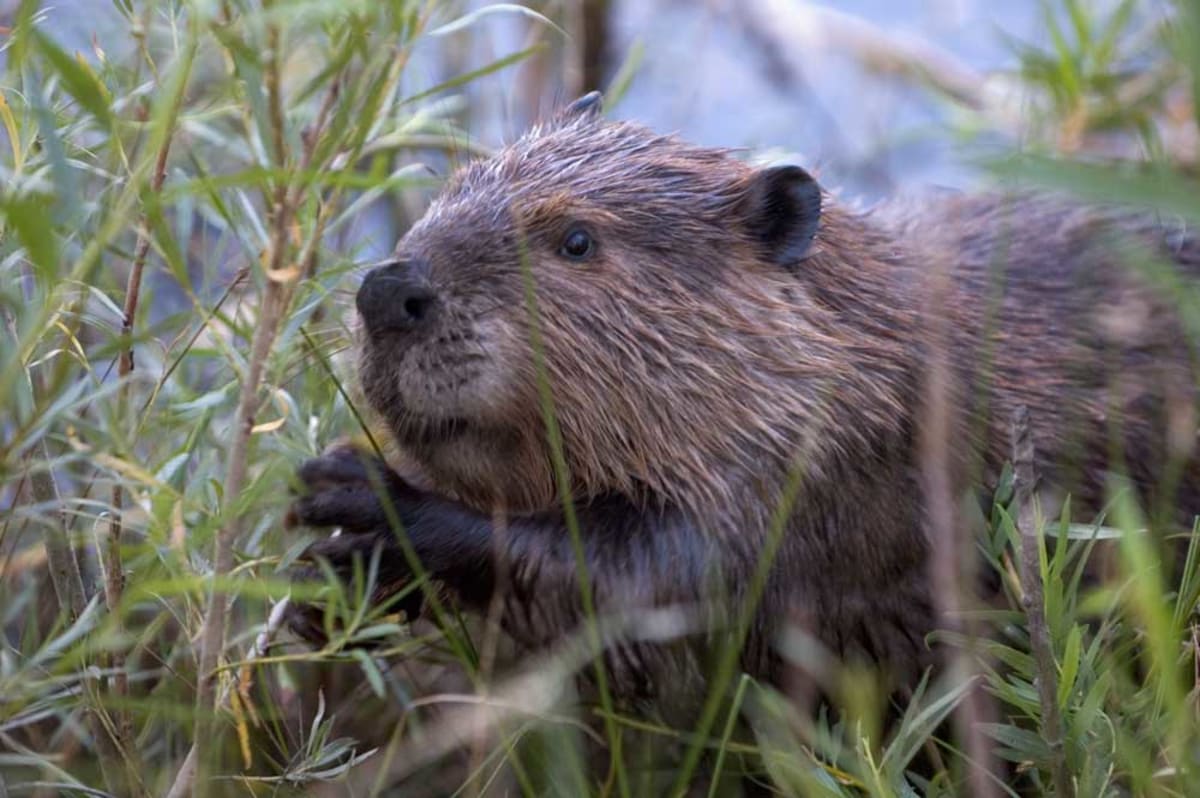
Beavers Thrive in Pacific Northwest Tidal Habitats
Scientists discovered beavers are secretly thriving in coastal estuaries and tidal wetlands across the Pacific Northwest, creating vital habitats for endangered salmon. This overlooked ecosystem engineering could help restore lost coastal worlds.
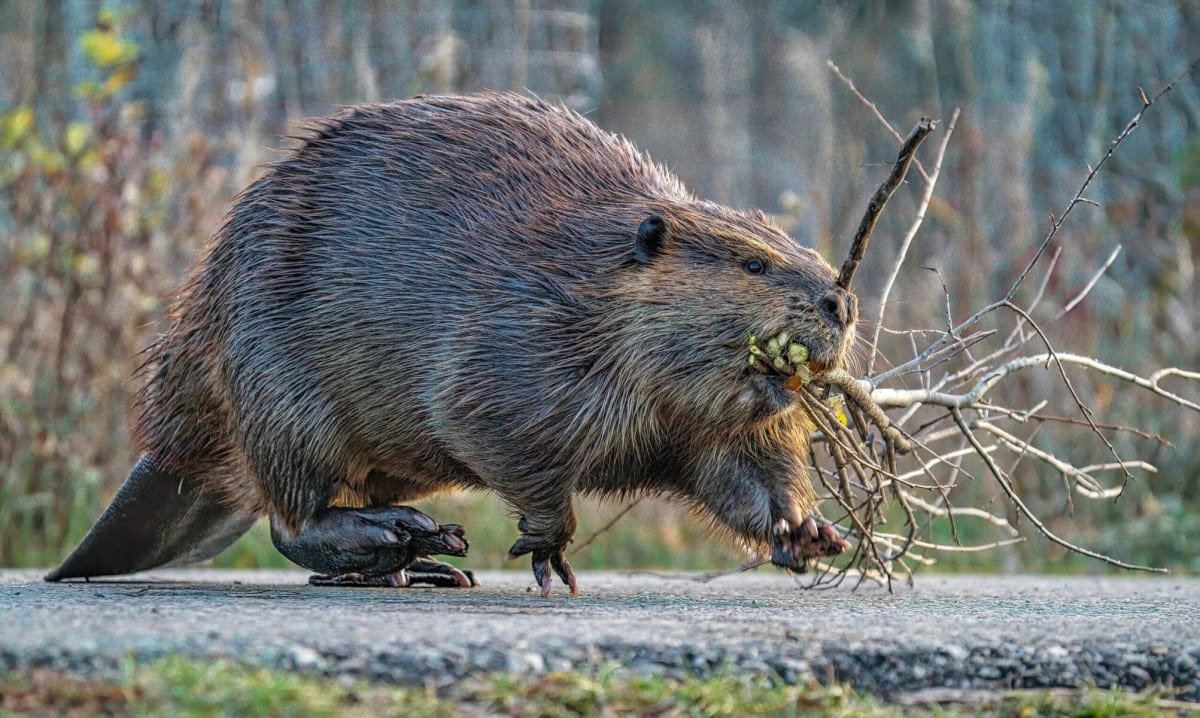
Beavers aren't just freshwater engineers anymore. New research reveals these industrious rodents are widespread in the saltwater-influenced estuaries and tidal wetlands of the Pacific Northwest, living in habitats scientists barely knew they occupied.
Greg Hood, an estuarine ecologist who calls himself an "accidental beaver biologist," made the discovery by venturing where other researchers rarely go. Tidal swamps are notoriously difficult to navigate, so beaver biologists stick to normal streams while coastal ecologists focus on open marshes and eelgrass beds.
Hood surveyed tidal habitats across coastal British Columbia, Washington, and Oregon. What he found surprised everyone: in some tidal channels of the Snohomish and Skagit rivers, beaver dams appeared at twice the density found on regular rivers.
These tidal dams work differently than their freshwater cousins. They're shorter and serve a unique purpose: trapping water at low tide so beavers can move freely through the river system even when the ocean pulls back.
The discovery matters far beyond beaver biology. Hood found that tidal beaver dams create crucial low tide refuges for many fish species, possibly including endangered Puget Sound Chinook salmon and Oregon Coast coho salmon.
The Ripple Effect
This hidden beaver activity could be reshaping our understanding of coastal restoration. Environmental journalist Ben Goldfarb notes that Hood's research shows beavers are "equally indispensable along the coast," engineering deep pools for juvenile salmon in estuaries that have suffered massive habitat loss.
The implications extend to conservation strategy. If beavers are naturally creating salmon habitat in tidal zones, protecting and supporting these populations could be a cost-effective restoration tool.
To learn more, Hood and beaver biologists from the Tulalip Tribes tagged one tidal beaver with GPS tracking. They plan to tag 20 more to understand how these animals use tidal habitats, how much territory they need, and how their movements sync with ocean tides.
The data could reveal surprising behaviors scientists haven't even considered yet. Hood expects the research will show which tidal channels beavers prefer and how they divide time between multiple lodges.
Goldfarb puts the stakes in perspective: "Acknowledging the importance, indeed the existence, of coastal beavers might just be vital to re-creating a lost intertidal world: an ecosystem sculpted by rodent teeth, undone by human hands."
Sometimes the best conservation allies are the ones already doing the work, hidden in plain sight.
More Images

Based on reporting by Mongabay
This story was written by BrightWire based on verified news reports.
Spread the positivity!
Share this good news with someone who needs it
%2Fhttps%3A%2F%2Ftf-cmsv2-smithsonianmag-media.s3.amazonaws.com%2Faccounts%2Fheadshot%2FSara_-_Headshot_thumbnail.png)