Last Wild Tree in Chile Gets New Shot at Survival
Scientists just saved seeds from the planet's last wild tree of its kind—a 150-year-old giant clinging to a cliff on a remote Chilean island. Twenty-four viable seeds are now sprouting hope for an entire species.
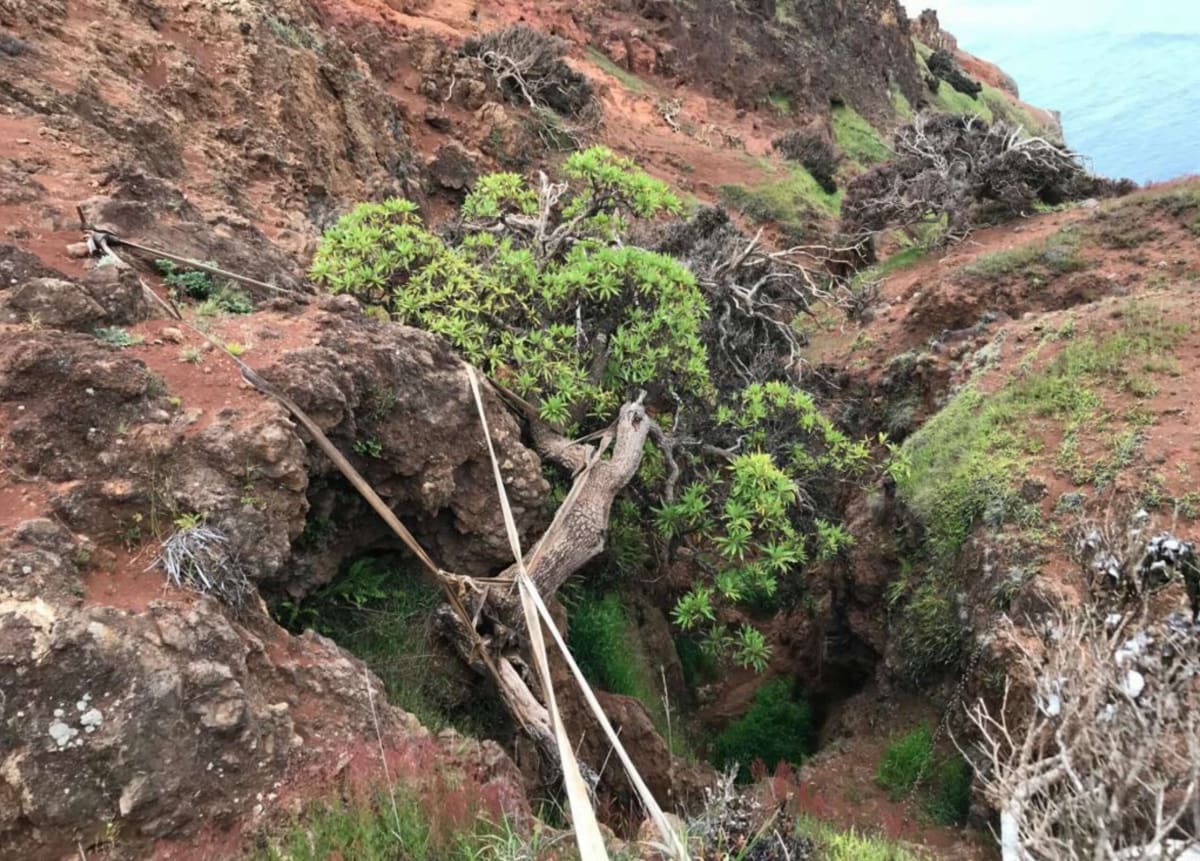
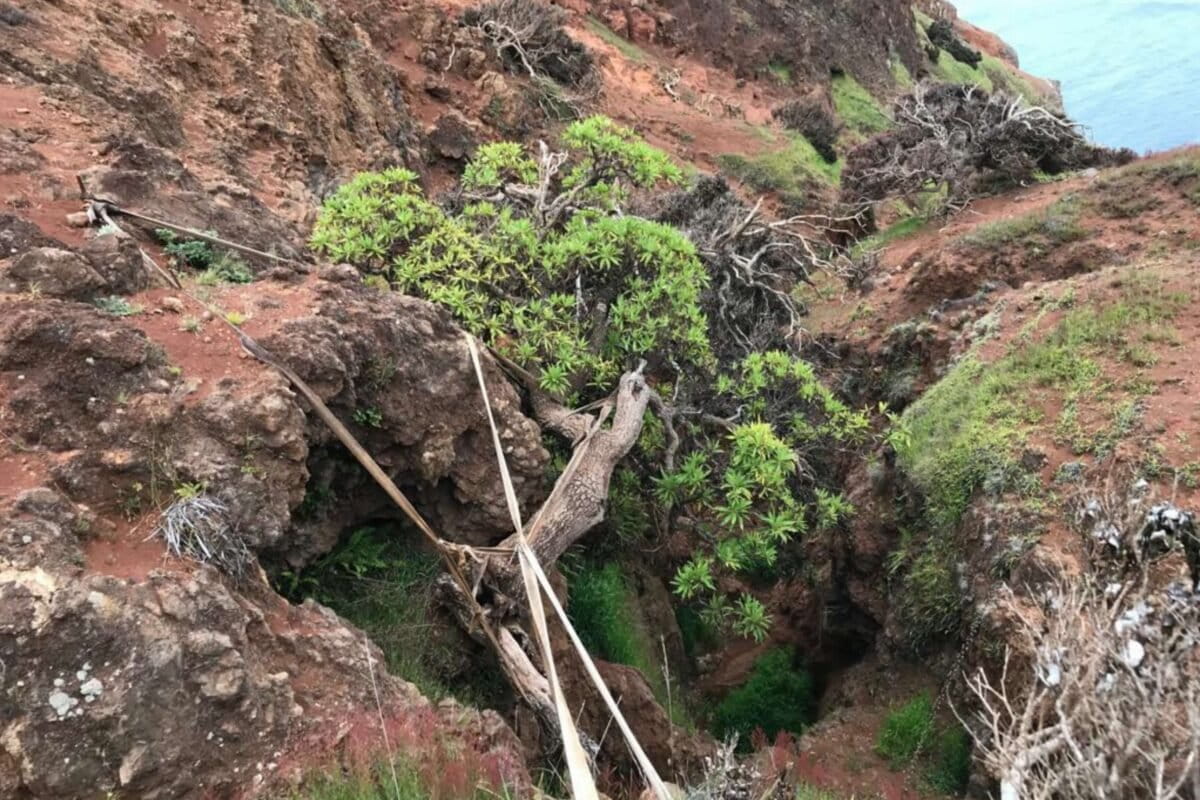
A single tree hangs from a steep cliff on Chile's Robinson Crusoe Island, and it might be the most important tree on Earth right now. It's the last known wild individual of Dendroseris neriifolia, and conservationists just pulled off a daring rescue mission to save its future.
Every year, local teams climb the treacherous cliff to collect seeds from this 150-year-old survivor. Some years the tree produces no viable seeds at all, making each successful harvest feel like winning the lottery.
This year brought a breakthrough. The team collected 400 seeds and sent 29 promising candidates to the Millennium Seed Bank at Royal Botanic Gardens, Kew in the U.K., home to the world's largest wild plant seed conservation program.
X-ray imaging revealed that 24 seeds contained developing embryos. Scientists split them into three groups of eight: one batch to test growing conditions, another to germinate once they nail the method, and a final eight stored safely for long-term conservation.
The first test worked. Seedlings are now sprouting at Kew, and they'll be shared with botanical gardens across the U.K. to perfect growing techniques under different conditions.
All 11 species in the Dendroseris genus exist nowhere else on Earth except the Juan Fernández Archipelago. Their striking yellow, orange, and white flowers once brightened the islands, but invasive plants and introduced animals like goats and rodents nearly wiped them out.
Losing these trees means losing more than just plants. The critically endangered Juan Fernández firecrown, a hummingbird found only on these islands, depends on nectar from Dendroseris flowers to survive.
The Ripple Effect
This seed rescue is just the beginning of a longer journey. Scientists plan to build up seed banks and eventually return plants to Chile for habitat restoration, but that requires years of work controlling invasive species and preparing the landscape.
Every seedling grown in botanical gardens helps preserve genetic diversity and refines techniques for future reintroduction. Once conservationists restore enough habitat and control the threats that nearly destroyed these trees, they can replant and rebuild wild populations.
The project shows how protecting one species creates waves of positive change. Save the tree, save the hummingbird, restore an entire island ecosystem that exists nowhere else on the planet.
That lonely tree on the cliff isn't quite so alone anymore.
More Images


Based on reporting by Mongabay
This story was written by BrightWire based on verified news reports.
Spread the positivity!
Share this good news with someone who needs it