Belgrade Gets First Metro in €915M Mobility Upgrade
Serbia's capital is building its first fully automated metro system, a 15-kilometer underground network that will transform how two million residents move through their city. The €915 million project marks a turning point for urban mobility in the Balkans.
Belgrade is about to change forever, with ground breaking on Serbia's first metro system that will rocket the capital into the ranks of modern European cities.
French mobility leader Alstom just secured a €915 million contract to build Metro Line 1, a fully automated underground railway connecting 15 stations across 15 kilometers of the Serbian capital. The first phase will link Makiško Polje to Karaburma, cutting straight through the city center with 11 kilometers of tunnels that will move congestion off the streets and into a sleek underground network.
For nearly two million Belgrade residents, the change will be dramatic. What now means sitting in traffic will soon mean hopping on a driverless train that arrives every 90 seconds during peak hours.
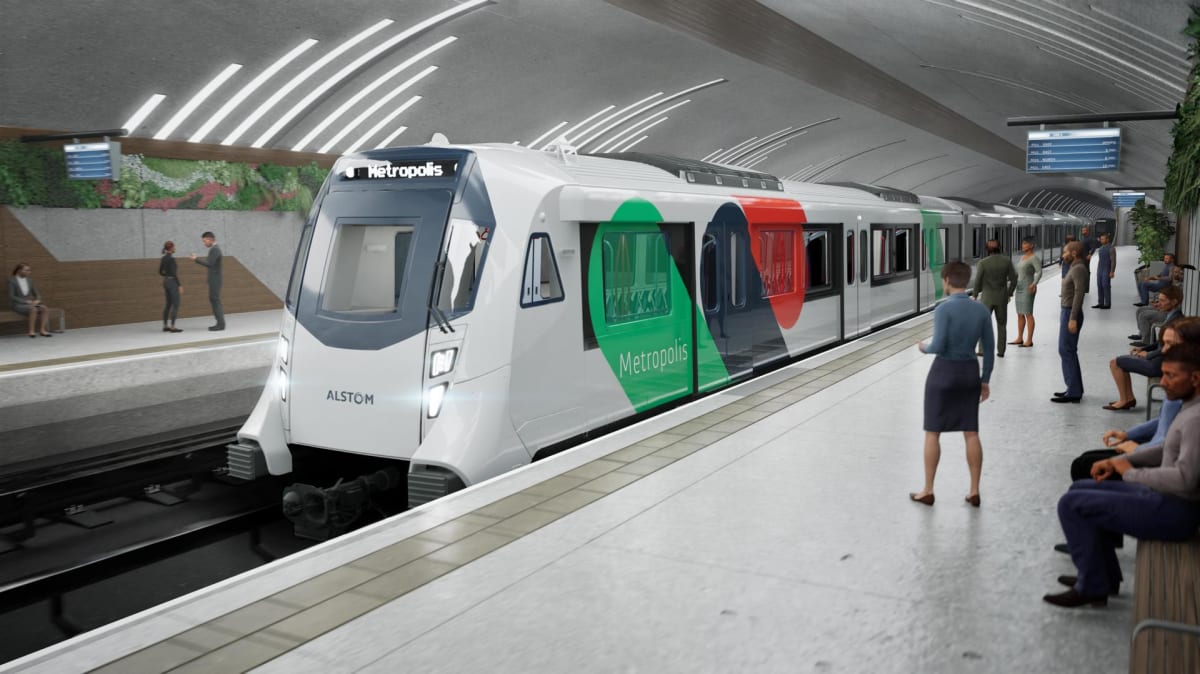
The system uses cutting-edge automation technology already proven in Paris, Singapore, and Lyon. Alstom will deliver 32 three-car Metropolis trains manufactured in France, along with signaling systems, power infrastructure, platform safety doors, and a centralized control center with advanced cybersecurity.
The trains will run without drivers, using Urbalis technology that enables higher frequency, greater capacity, and improved safety compared to traditional systems. The automated design means more consistent service and faster response to passenger demand throughout the day.
Construction enters the design phase now, with French government funding supporting the project as part of strong bilateral cooperation between France and Serbia. Alstom brings more than 50 years of experience and 80 turnkey metro systems worldwide to the table, including recent projects in Montreal, Riyadh, Athens, and Dubai.
The Ripple Effect
This metro represents far more than convenient transportation. By fundamentally restructuring how people navigate Belgrade, the project positions the city as a more attractive destination for international investment and skilled workers who expect world-class infrastructure.
The environmental benefits ripple outward too. Moving significant portions of daily commutes underground means fewer cars idling in traffic, cleaner air, and meaningful progress toward Serbia's climate commitments.
For a city that has spent decades managing surface congestion, the metro unlocks development potential that gridlocked streets have constrained. Neighborhoods around stations will gain accessibility, businesses will benefit from reliable employee commutes, and Belgrade takes its place among European capitals with modern rapid transit.
One underground railway is changing the trajectory of an entire city.
Based on reporting by Google News - Economic Growth
This story was written by BrightWire based on verified news reports.
Spread the positivity!
Share this good news with someone who needs it