Bengaluru Drivers Could Own Their Garbage Trucks in 7 Years
Bengaluru is breaking up its garbage contractor monopoly with a plan that turns drivers into vehicle owners. Nearly 4,800 waste collectors could become self-employed entrepreneurs while making the city cleaner.
Imagine going from employee to business owner in seven years, just by doing your regular job collecting garbage.
That's the opportunity Bengaluru Solid Waste Management Limited is offering to thousands of waste collection drivers. The agency submitted two groundbreaking proposals to Karnataka's government that could transform how India's tech capital handles its trash problem.
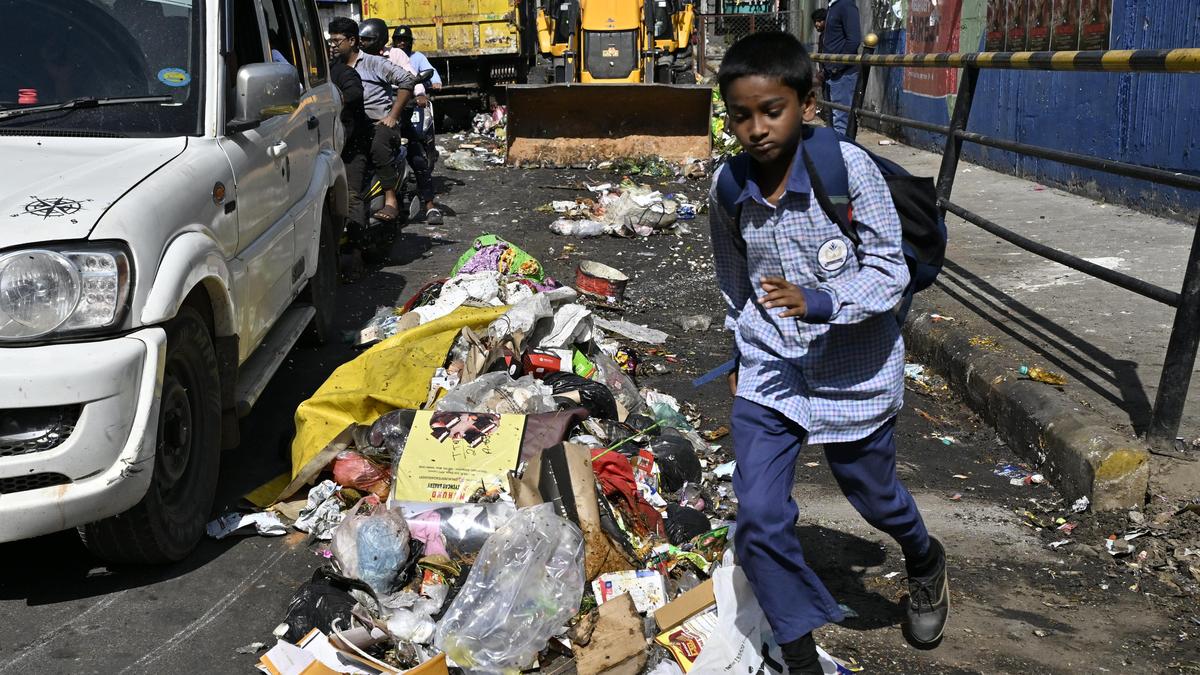
For years, Bengaluru has struggled with contractor strikes that bring garbage collection to a complete halt. The city of 12 million people depends entirely on private companies, and when they walk off the job, trash piles up on streets. Legal battles and re-tendering delays have made the situation worse.
Now BSWML is proposing a solution inspired by India's cleanest cities. Mysuru and Indore broke free from contractor dependence, and Bengaluru wants to follow their lead.
The first option puts the government in direct control of its own vehicle fleet. Simple, but effective.
The second model is where things get exciting. Drivers would receive government-purchased vehicles and take responsibility for specific neighborhoods. They'd pay 200,000 rupees upfront as a down payment, with the rest financed through bank loans. Monthly loan payments would come from their earnings, and after seven years, they'd own the truck outright.
This approach could create 4,800 self-employed operators across the city. Each driver would serve around 750 households, giving them steady income and a path to entrepreneurship.
The vehicles themselves represent a major upgrade. More than half the current fleet is 15 years old, mostly three-wheeled auto tippers that carry just 500 kilograms and lack GPS tracking. The new four-wheeled electric vehicles would carry more waste, cost only one rupee per kilometer to run, and come equipped with GPS, cameras, and public address systems for real-time monitoring.
BSWML has already received approval to purchase 40 electric vehicles in the first phase at a cost of 4.97 crore rupees. Each vehicle costs between 9.46 and 11.16 lakh rupees fully equipped.
The Ripple Effect
This isn't just about garbage trucks. It's about creating a model where essential service workers can build wealth and independence. When drivers own their vehicles, they have skin in the game. No more mysterious absences that leave thousands of homes without service. No more contractors refusing to submit bills to avoid penalties.
The environmental benefits multiply too. Electric vehicles mean cleaner air in a city already struggling with pollution. Better monitoring means more reliable service. Newer equipment means fewer breakdowns and more consistent collection.
Other Indian cities are watching. If Bengaluru succeeds, this ownership model could spread across the country, transforming waste management from a contractor-controlled bottleneck into an opportunity for working-class entrepreneurship.
Sometimes the best solutions empower the people doing the actual work.
Based on reporting by The Hindu
This story was written by BrightWire based on verified news reports.
Spread the positivity!
Share this good news with someone who needs it