Bengaluru LPG Shortage Sparks Electric Kitchen Revolution
When gas cylinders ran short in Bengaluru, restaurants faced a tough choice. Now many are discovering that electric kitchens might be the answer they didn't know they needed.
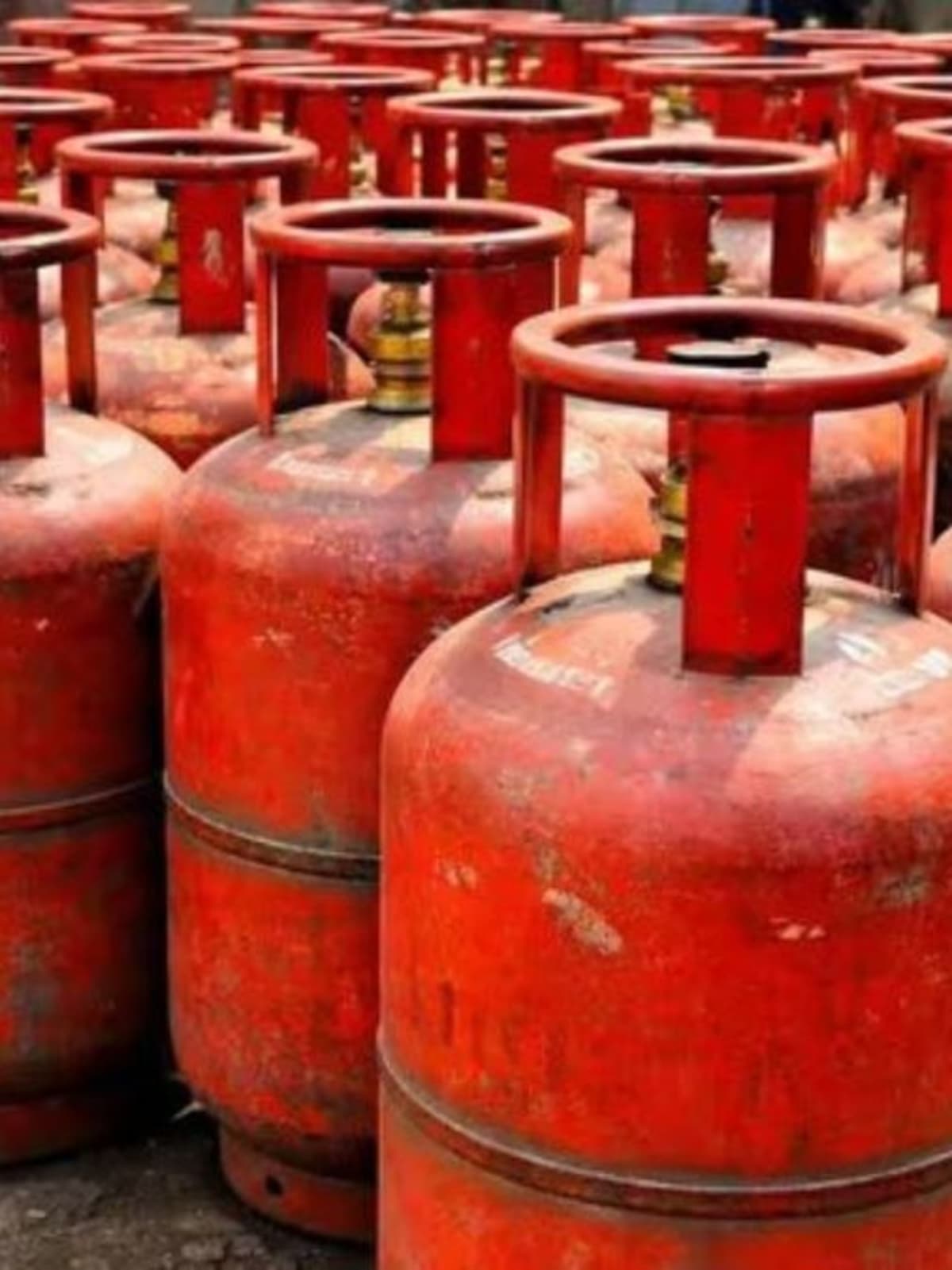
When LPG supplies ran short in Bengaluru recently, restaurants suddenly couldn't cook. The shortage left cafés and cloud kitchens scrambling, but it also triggered something unexpected: a major rethink of how India's food industry powers its stoves.
For decades, LPG cylinders have been the backbone of restaurant kitchens across India. But their dependence on global supply chains means disruptions can happen without warning, leaving businesses vulnerable.
Now cafés, quick-service restaurants, and cloud kitchens across the city are making the switch to electric cooking equipment. Induction stoves and electric griddles are replacing gas burners, offering restaurant owners something LPG never could: predictability.
Induction cooking heats pots and pans directly using electromagnetic technology, which makes it faster and more energy efficient than gas. The heat control is precise, so chefs can maintain exact temperatures without the guesswork that comes with flame-based cooking.
Beyond convenience, electric kitchens are creating safer workplaces. Without gas cylinders stored on site, the risk of dangerous leaks or explosions drops dramatically. Kitchens also stay cooler and produce less smoke, making life better for staff who spend hours cooking in tight spaces.
Many restaurants are taking the transformation one step further by pairing electric cooking with rooftop solar panels. This combination lets them generate their own clean power, cutting both fossil fuel dependence and monthly electricity bills.
The Ripple Effect
India's food industry serves millions of meals every single day. If even a fraction of those meals were prepared using renewable electricity instead of fossil fuels, the emissions savings would be massive.
The shift isn't just environmental. Electric kitchens can lower long-term operating costs since restaurants aren't constantly purchasing and transporting heavy gas cylinders. The stability of grid power means fewer surprise shutdowns during peak business hours.
What started as a crisis in Bengaluru could become a blueprint for kitchens nationwide. Other cities facing similar supply challenges are watching closely, and equipment suppliers report growing interest in commercial electric cooking systems.
The transition won't happen overnight, and electric infrastructure needs continued investment. But the Bengaluru shortage proved that relying on a single energy source leaves restaurants exposed.
Diversifying how kitchens are powered isn't just smart business anymore. It's becoming essential for restaurants that want to keep cooking no matter what happens to global supply chains.
A gas shortage forced Bengaluru's restaurants to imagine a different future, and many are choosing to make that future electric.
Based on reporting by The Better India
This story was written by BrightWire based on verified news reports.
Spread the positivity!
Share this good news with someone who needs it