Bengaluru Metro Blue Line Can Run Fully on Solar Power
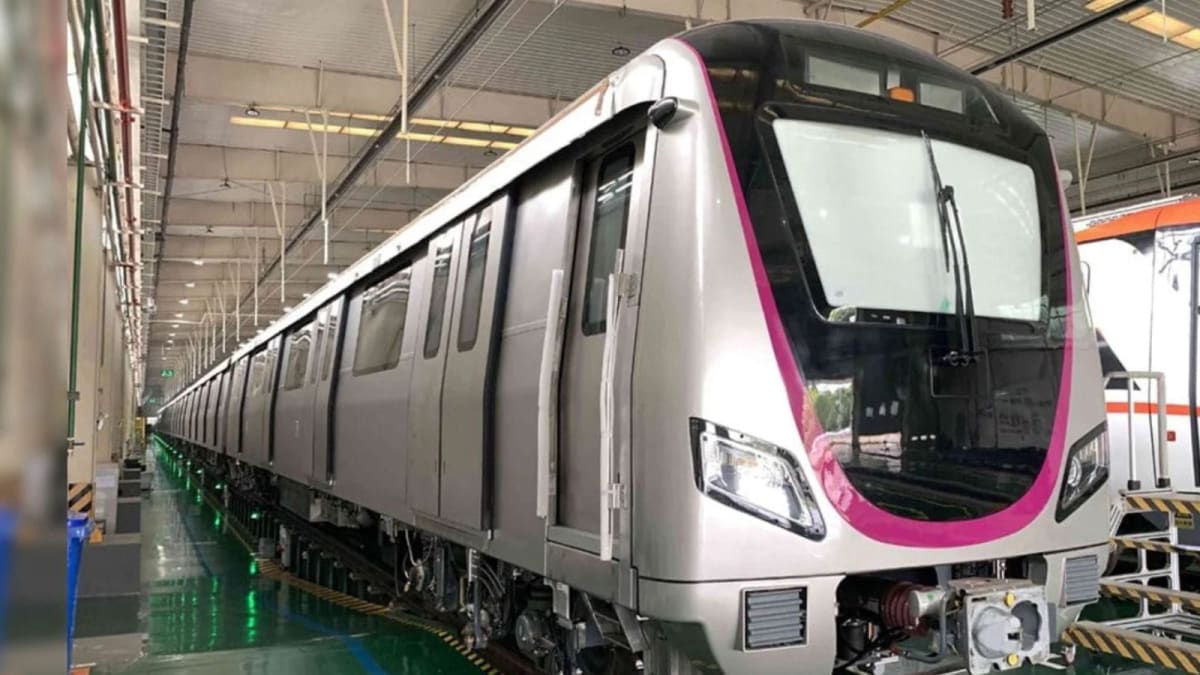
Bengaluru's upcoming Blue Line metro can operate entirely on solar energy, saving Rs 61 crore annually while preventing 77,900 tonnes of CO2 emissions. The ambitious project uses only infrastructure already owned by the metro system.
A groundbreaking study from the Indian Institute of Science proves that India's metros can run completely on sunshine, turning elevated tracks and station rooftops into clean energy powerhouses.
Researchers at IISc partnered with Bangalore Metro Rail Corporation to study the nearly 60-kilometer Blue Line, which will connect Central Silk Board to Kempegowda International Airport. They discovered that the metro system already owns enough space to power itself entirely through solar panels.
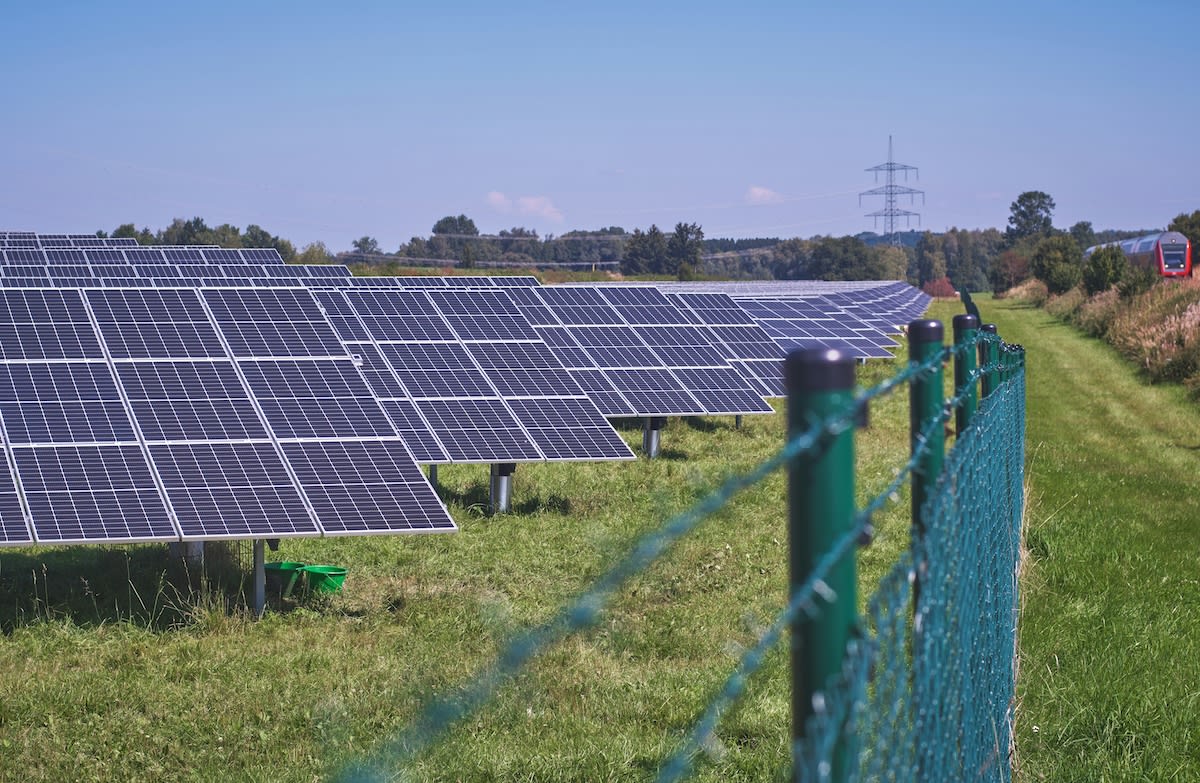
The numbers tell an exciting story. The Blue Line's 30 station rooftops alone cover 1.09 lakh square meters, enough space for 50,000 solar panels that would save Rs 36.4 crore in the first year of operation.
When solar installations expand to include elevated viaducts and train depot roofs, annual savings jump to Rs 61 crore. The initial investment of Rs 63 crore would pay for itself in just two years through power savings.
Professor Ashish Verma, who led the study, emphasized the breakthrough significance. "This study demonstrates, for the first time with full technical rigour, that the metro rail can be a net-zero energy system using only the physical infrastructure it already owns," he explained.
The Ripple Effect
The environmental benefits extend far beyond one metro line. Full solar deployment on the Blue Line would prevent 77,900 tonnes of CO2 emissions annually, equivalent to removing tens of thousands of cars from Bengaluru's roads.
If the entire metro network including Purple, Green, and other lines adopts solar power, the city could prevent over 1.5 million tonnes of CO2 emissions each year. That's the kind of climate action that actually moves the needle.
The report also identified an additional revenue stream through India's 2023 Carbon Credit Trading Scheme, which could generate Rs 3.9 crore annually from the Blue Line alone. Clean energy that pays for itself twice over is the kind of math that makes sustainability irresistible.
Researchers have laid out immediate next steps, starting with an urgent tender for solar installation on station rooftops. They've also recommended making solar integration mandatory for all future metro construction nationwide, potentially transforming urban transit across India.
The eight-month study combined simulation reports, solar panel modeling, and infrastructure surveys to prove what many hoped was possible: public transportation can be both expanding and emissions-free.
India's cities are showing the world that climate solutions don't require choosing between growth and sustainability when smart planning leads the way.
Based on reporting by Indian Express
This story was written by BrightWire based on verified news reports.
Spread the positivity!
Share this good news with someone who needs it